
Litsea angulata
Litsea angulata
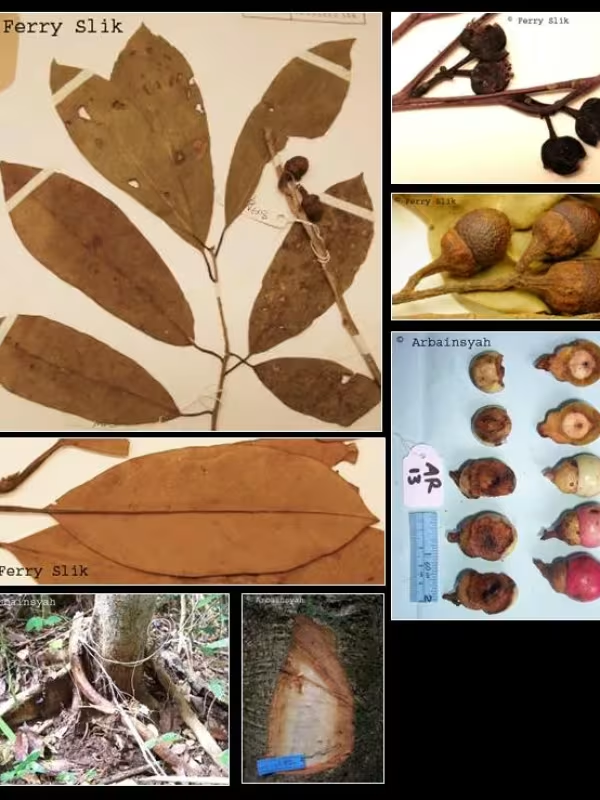
Description
Sowing dates
Litsea angulata is an evergreen woody plant belonging to the Lauraceae family. Propagating the plant requires careful seed handling, where stratification is often employed to break dormancy and ensure uniform germination across the crop field.
For large-scale cultivation, cuttings are frequently used instead of seeds to maintain genetic consistency and ensure the desired yield profile. The rooting process requires high humidity and moderate temperatures.
Seedlings should be transferred to the field once the root system is well-established. It is critical to provide a transitional period of acclimatization to avoid transplant shock when moving plants from nursery conditions to the open ground.
The optimal planting depth is shallow, as seeds are sensitive to deep burial. Proper spacing is essential for canopy development, which directly impacts the plant's photosynthetic efficiency and overall growth rate.
Consistent moisture management during the early growth stages is vital. Developing a robust root system allows the plants to withstand the stresses of later growth stages and improves their long-term health.
Growing requirements
Litsea angulata thrives in tropical and subtropical climates. It requires consistent temperatures between 20 and 28 degrees Celsius to sustain active growth and maximize the production of secondary metabolites.
The ideal soil for this crop is fertile, well-draining, and slightly acidic. Poor drainage can lead to root pathogens, so site selection often involves slopes or raised beds to ensure excess water can move away effectively.
High relative humidity is necessary for optimal development. In areas where dry seasons are prominent, supplemental irrigation is mandatory to prevent the leaves from drying out and dropping prematurely.
Full sun exposure is preferred for adult trees to maximize foliage production. However, young trees benefit from light shading in the initial stages to protect them from excessive thermal stress.
Nutrient management focuses on organic inputs and periodic mineral fertilization to support the tree’s complex physiological processes, especially when cultivating for essential oil yield.
Main diseases and pests
Leaf-eating insects are common pests for Litsea angulata, requiring a integrated pest management strategy to minimize damage without compromising the purity of the harvest.
Fungal diseases, particularly those affecting the roots, are a significant risk. These are usually controlled by preventing soil compaction and ensuring adequate air circulation around the trunk and crown of the tree.
Scale insects can also colonize the stems and branches. Regular monitoring and the application of horticultural oils can effectively reduce insect populations before they cause structural damage.
Maintaining a healthy distance between trees is a key cultural practice to reduce the spread of diseases. A well-pruned tree is less susceptible to fungal outbreaks that thrive in damp, stagnant air.
Biological control agents, such as predatory mites or beneficial wasps, can be integrated into the farm management plan to create a balanced ecosystem that suppresses harmful insect levels.
Harvesting
Harvesting the crop is a critical activity, timing-wise. Collectors monitor the maturity of the fruit and the oil content in the leaves to determine the precise window for the highest economic return.
Mechanical harvesting is generally avoided due to the sensitivity of the branches, preferring careful manual collection to preserve the tree's health for multiple seasons of production.
Rapid post-harvest processing is essential. The volatile organic compounds found in Litsea angulata are sensitive to heat and oxygen, requiring immediate distillation or drying to capture the volatile oils.
- Identifying maturity by color changes in the fruit.
- Gentle manual harvesting techniques.
- Cleaning raw material to remove debris.
- Immediate transport to the processing facility.
- Storage in cool, low-light environments to prevent degradation.