
Litsea salicifolia
Litsea salicifolia
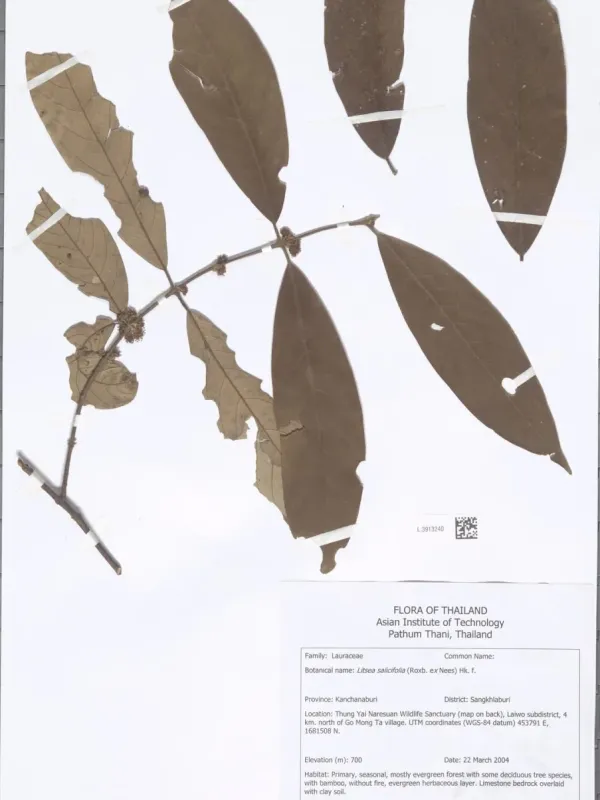
Description
Sowing dates
Sowing Litsea salicifolia is typically performed using seeds, which require specific conditions to break dormancy. Early spring is the preferred time for sowing in controlled environments or greenhouses to ensure successful germination.
The seeds possess a hard coat that often benefits from stratification or scarification to increase the germination rate. A well-draining, nutrient-rich peat-based substrate provides the best foundation for developing healthy seedlings.
Once seedlings have reached sufficient size and robustness, usually after several months, they are transplanted into their permanent outdoor locations. Proper spacing is essential to prevent overcrowding and allow the plant to achieve its natural bushy form.
The depth of sowing should be strictly controlled, as seeds planted too deeply may fail to sprout. A thin layer of soil cover, combined with consistent moisture, is key to triggering the initial growth phase.
Young plants are sensitive to environmental stress, so providing a stable transition from the nursery to the field is vital. Protection from harsh winds and direct afternoon sun in the early stages helps establish strong root systems.
Growing requirements
As a member of the Lauraceae family, Litsea salicifolia thrives in humid subtropical climates. It requires constant access to moisture and protection from extreme temperatures, especially frost, which can severely damage the plant.
The soil should be fertile, loose, and slightly acidic to neutral in pH. Effective drainage is a non-negotiable requirement, as the roots are highly susceptible to rot when exposed to waterlogged conditions for extended periods.
Light exposure must be balanced, as the plant prefers bright, indirect light. In regions with intense solar radiation, providing some shade during the hottest hours of the day will protect the foliage from oxidative stress.
Regular fertilization with balanced organic matter supports the production of the essential oils for which the plant is valued. Micronutrient supplementation can further enhance the plant's overall vitality and growth rate.
Providing a consistent environment with moderate temperatures and stable humidity levels will ensure the plant reaches its full potential, producing high-quality aromatic compounds in its foliage.
Yield
The yield of Litsea salicifolia is primarily defined by the volume of essential oil extracted from its fresh or dried leaves. Productive yields typically begin after the plants have reached maturity, usually at age four or five.
Careful canopy management and pruning techniques directly influence the amount of biomass harvested each season. Consistent harvesting stimulates new growth, ensuring a sustainable cycle of production year after year.
Environmental factors during the growing season significantly affect the chemical composition of the oil. Proper irrigation and nutrient management are necessary to maintain high standards of oil concentration and quality.
Efficiency in extraction is maximized when the leaves are harvested at their physiological peak. Scheduling the harvest based on plant development phases ensures that the volatile aromatic yield is at its seasonal maximum.
Successful management of the harvest involves balancing the removal of foliage with the plant's need to maintain enough photosynthetic surface to support continued growth and oil synthesis.
Main diseases and pests
Common pests include mites and scale insects that feed on the foliage, potentially reducing the overall health and oil output. Regular monitoring is necessary to catch infestations early before they spread across the plantation.
Fungal diseases are a significant risk, particularly root and stem rot caused by excessive soil moisture. Proper cultural practices, such as ensuring good aeration between plants, serve as the primary line of defense.
In humid conditions, powdery mildew can appear on the leaves. Selective pruning of congested branches can increase airflow, thereby creating an environment that is less conducive to the spread of such pathogens.
Preventative measures, such as maintaining clean tools and disposing of infected plant material away from the cultivation site, are essential components of an effective integrated pest management strategy.
The use of sustainable, low-impact pest control methods is strongly recommended to protect the integrity of the essential oils, ensuring the final product remains free from harmful chemical residues.
Harvesting
Harvesting Litsea salicifolia is best conducted during the early morning hours to minimize the evaporation of volatile essential oils. This preserves the potency of the aromatic compounds contained in the leaves.
Small, sharp tools should be used for harvesting to ensure precise cuts. This minimizes damage to the plant and encourages healthy regeneration of the pruned stems throughout the growing season.
Once harvested, the plant material must be kept in breathable containers and transported immediately to the processing facility. Keeping the material cool and shaded prevents premature degradation of the high-value aromatic components.
If processing does not occur immediately, the leaves may need to be stored in a climate-controlled area with high airflow to prevent fermentation or oxidation, both of which can ruin the oil profile.
Finally, end-of-season field management includes cleaning the area of debris and applying a final round of maintenance to prepare the bushes for winter dormancy, ensuring they remain robust for the next production cycle.