
Litsea robusta
Litsea robusta
Description
Growing requirements
Litsea robusta is an evergreen tree belonging to the Lauraceae family. This species is a characteristic member of the tropical flora found in Southeast Asia, particularly within regions of Indonesia and Malaysia.
The plant requires humid tropical conditions with consistently high annual temperatures to thrive. It favors well-drained, fertile loams or red soils rich in organic matter, typical of the forest ecosystems in its native range.
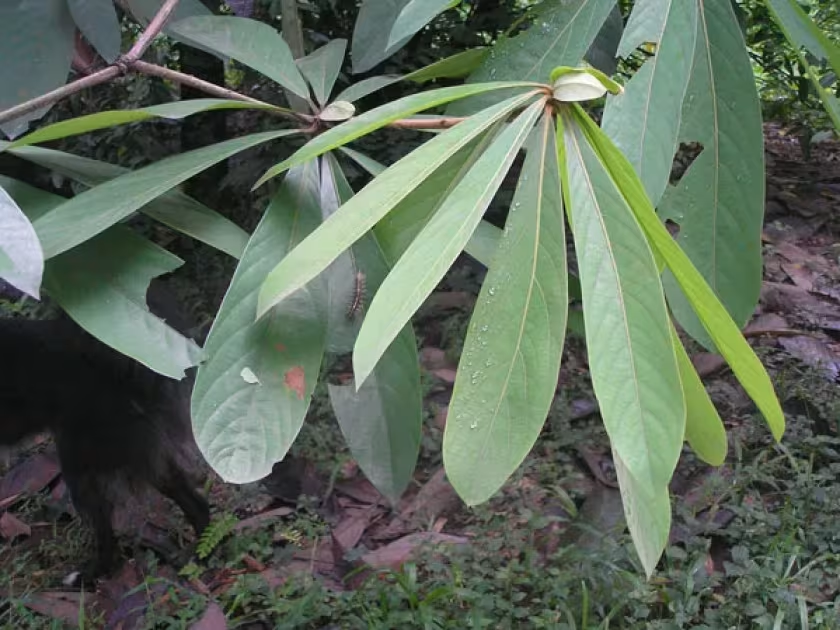
The tree develops a robust root system and a spreading canopy, reaching considerable heights. Its leaves are leathery and elliptical, often emitting a distinct aroma due to the presence of essential oils common to many Lauraceae species.
In its natural habitat, Litsea robusta grows within moist primary forests. The species is highly sensitive to frost and sudden fluctuations in moisture, which strictly limits its cultivation to tropical and subtropical zones.
The primary economic value of the tree lies in its timber, which is appreciated for its durability, as well as the potential for extracting essential oils. Its bark and leaves contain secondary metabolites that are of interest to the pharmaceutical and cosmetic industries.
Main diseases and pests
The primary threats to Litsea robusta in plantation settings include fungal diseases of the root system, which typically occur under conditions of waterlogged soil.
The trees are also susceptible to specific tropical insect pests, such as wood borers and leaf beetles, which can significantly reduce the total biomass of the plant.
Pests that damage the bark create entry points for secondary infections, often leading to a decline in tree vigor and a reduction in the quality of the harvested timber.
To prevent the spread of diseases within plantations, it is essential to maintain optimal spacing between trees to ensure adequate air circulation throughout the canopy.
Regular monitoring of leaf condition is crucial for the early detection of pest infestations, allowing for timely biological or chemical intervention before widespread damage occurs.