
Litsea reticulata
Litsea reticulata
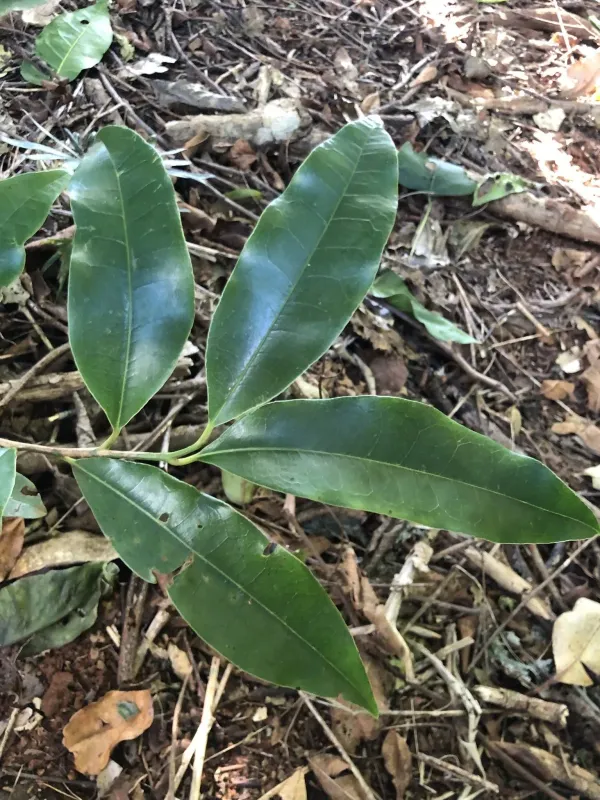
Description
Growing requirements
Litsea reticulata is an evergreen woody plant belonging to the Lauraceae family. It is recognized for its unique botanical features and its status as a significant component of tropical and subtropical rainforest ecosystems in Australia.
The plant thrives in regions characterized by high atmospheric humidity and well-drained, nutrient-rich soils. It prefers an environment that mimics its natural habitat, with consistent access to moisture and protection from extreme temperature fluctuations.
Optimal growth is observed in soil with a slightly acidic to neutral pH level. Proper aeration is crucial to prevent root rot, which is a common issue when the plant is grown in compacted or overly dense clay substrates without proper drainage structures.
The species displays distinctive reticulate venation on its leaves, which provides aesthetic appeal alongside its functional role. Litsea reticulata typically flowers in clusters, playing a vital role in supporting local insect populations that rely on its nectar.
Economically, Litsea reticulata is valued for its bark and foliage, which often contain specific aromatic compounds used in the essential oil industry. The timber is also appreciated for its durability and resistance to decay, making it suitable for various craft applications.
Main diseases and pests
The primary threats to Litsea reticulata include fungal pathogens that exploit high-humidity conditions to spread. Root rot and leaf spot diseases are particularly problematic if the planting area lacks proper ventilation or drainage management.
Pest species such as mealybugs, scale insects, and certain mite varieties can cause significant damage to the sap and leaf tissue. These infestations often lead to stunted growth and increased susceptibility to secondary infections by bacteria or viruses.
Integrated Pest Management (IPM) strategies are highly recommended for controlling these threats. This includes the use of beneficial insects, such as ladybugs, alongside localized applications of horticultural oils to manage pest populations without damaging the ecosystem.
Routine sanitation is a cornerstone of protecting Litsea reticulata groves. Removing debris, such as fallen branches or diseased leaves, significantly reduces the concentration of fungal spores and prevents the buildup of overwintering pest populations.
Nutritional management also plays a role in disease resistance. Ensuring the tree receives adequate micronutrients through soil amendments helps strengthen the cuticle of the leaves, making them more difficult for sucking insects to penetrate.