
Litsea populifolia
Litsea populifolia
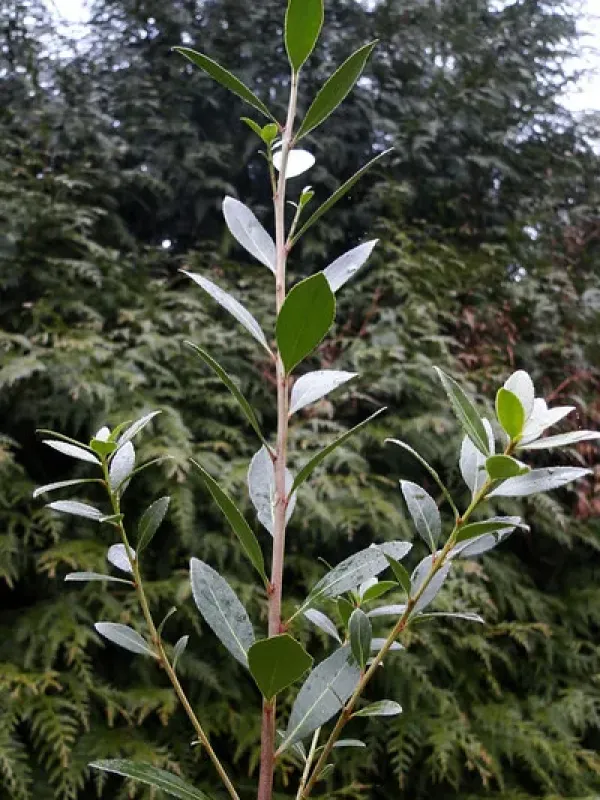
Description
Sowing dates
The sowing of Litsea populifolia seeds is best performed in early spring when the substrate temperature remains consistently above 20°C. In commercial agricultural practice, vegetative propagation via cuttings is preferred to ensure genetic uniformity and faster establishment.
Seeds require proper stratification or soaking in growth stimulants to break dormancy and ensure uniform germination. They should be sown in high-quality, well-draining potting mix at a depth of 2 cm, maintaining constant moisture until seedlings emerge.
Soil warming techniques are highly beneficial for accelerating the initial growth phase in greenhouse environments. Early spring is the optimal time to start cultivation, providing enough time for the seedlings to develop a strong structure before the peak summer heat.
Planting density depends on the specific commercial goal, with typical densities ranging from 20,000 to 30,000 plants per hectare for biomass production. For container-grown plants, the density is managed based on the container size and available space.
Young seedlings require partial shade during the first few months to prevent leaf scorch and dehydration. Transplanting to the final field location should only be carried out once the root system is well-established and the stem begins to lignify.
Growing requirements
Litsea populifolia belongs to the Lauraceae family and requires specific subtropical conditions to thrive. The plant prefers regions with mild winters, as it is highly sensitive to severe frosts which can damage its wood and growth potential.
It performs best in loose, well-draining loamy soils with a neutral or slightly acidic pH balance. Waterlogging in the root zone is detrimental and must be prevented to avoid the onset of various fungal infections and rot.
In its native habitat, this plant grows on forest edges and slopes with high humidity. In commercial cultivation, a relative humidity level of at least 70% should be maintained using automated irrigation systems or misting technology.
Soil fertility is crucial, requiring organic enrichment before planting and balanced mineral fertilizers during the active growing season. Nitrogen-based fertilizers are particularly effective in promoting the rapid expansion of the foliage required for oil production.
Protection from strong winds is essential to minimize mechanical damage and prevent excessive water loss. Establishing windbreaks is a recommended agrotechnical practice for maintaining a stable microclimate within the plantation.
Main diseases and pests
The primary threats to Litsea populifolia are soil-borne fungal pathogens caused by over-irrigation. Phytophthora and root rot are the most common diseases that can significantly reduce plant population if not properly managed.
Insect pests, particularly spider mites and scale insects, are highly problematic in greenhouse environments. These pests sap the vitality of the plant by feeding on young leaves, necessitating a proactive integrated pest management strategy.
Powdery mildew can affect the foliage under conditions of high humidity combined with fluctuating temperatures. Timely application of fungicides and proper spacing to facilitate air circulation are essential control measures.
Gastropods like slugs and snails may pose a risk to young plants during humid periods, requiring constant monitoring. Keeping the plantation clear of weeds and debris helps in managing these potential pest reservoirs.
Sanitation practices, including the disinfection of tools and the use of certified healthy planting material, are the first line of defense against widespread disease. Early detection is vital for the containment of localized outbreaks.
Harvesting
Harvesting for essential oil extraction should be timed to coincide with the peak accumulation of active aromatic compounds in the leaves. This phase usually occurs at the end of the main vegetative cycle, just before the plant enters a period of relative dormancy.
The harvesting process involves cutting the plant material, typically leaving 15–20 cm of the stem to facilitate rapid regrowth of new side shoots. This method allows for multiple harvests throughout a single growing season.
Immediately after harvest, the biomass must be processed to prevent the evaporation of volatile compounds. Efficient logistics are required to transport the material quickly to the distillation or processing facility.
Drying the material requires specialized facilities with controlled temperature settings to ensure the integrity of the essential oil glands. High temperatures or excessive sunlight during the drying process should be strictly avoided.
Final storage of the oil or processed leaf requires airtight containers to prevent exposure to light and moisture. Proper storage conditions ensure that the product maintains its chemical quality and market value for an extended period.