
Litsea persella
Litsea persella
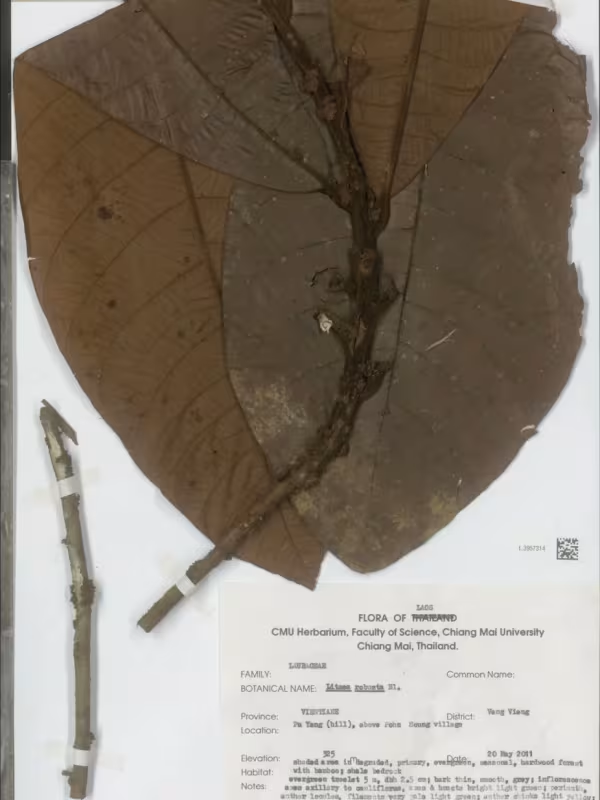
Description
Sowing dates
Litsea persella is a perennial woody plant belonging to the Lauraceae family. Seed propagation is the primary method of cultivation, though it requires precise conditions to break dormancy and ensure germination.
Sowing should take place in spring when ambient temperatures stabilize above 18 degrees Celsius. Using high-quality, fresh seeds is essential for maximizing the germination percentage of this crop.
The sowing substrate must be lightweight and well-aerated, typically composed of peat and sand. Proper moisture management is crucial, as waterlogged conditions can lead to fungal attacks on developing seeds.
Young seedlings require filtered light during their initial growth stages to prevent desiccation from direct sun exposure. Once the plant develops two pairs of true leaves, it is ready for transplanting into individual containers.
Transplanting to the field is performed after the risk of late frosts has passed. Sufficient spacing between plants is required to accommodate the future expansion of the canopy and ensure optimal light penetration.
Growing requirements
This crop is highly sensitive to temperature and moisture levels, thriving exclusively in subtropical and tropical climates. It is unable to survive temperatures below freezing, which limits its production range.
Optimal site selection involves choosing areas with high solar radiation and protection from strong, drying winds. Well-drained soils are mandatory, as root systems are highly prone to decay in stagnant water.
Consistent irrigation is vital during the growing season to maintain high metabolic activity. Drip irrigation systems are the preferred method for maintaining stable soil moisture levels without causing surface runoff.
The soil should have a neutral to slightly acidic pH and high organic matter content. Regular fertilization with balanced NPK fertilizers supports leaf growth, while micronutrients are crucial for essential oil synthesis.
Proper air circulation is necessary to mitigate the risk of disease. In densely planted orchards, regular pruning is required to maintain plant health and improve the efficiency of harvesting operations.
Yield
The yield of Litsea persella is measured by the volume and quality of essential oil extracted from the leaves and immature fruits. Productivity scales with the age of the plant until it reaches full maturity.
The concentration of volatile compounds peaks at specific phenological stages. Harvesting at the precise moment of maximum oil content is essential to ensure a high-quality end product for the perfume industry.
Yield metrics are influenced by planting density and the effectiveness of canopy management. Pruning techniques that stimulate new vegetative growth directly correlate with an increase in total harvestable biomass.
Post-harvest processing involves steam distillation, which must be carried out as quickly as possible. Efficient processing facilities located near the fields help retain the volatile profile of the raw material.
Continuous research into breeding higher-yielding varieties is vital for the sustainability of the industry. Stable harvest volumes ensure that Litsea remains a profitable crop for agricultural producers.
Main diseases and pests
Fungal pathogens represent the most significant threat to Litsea persella, particularly in high-humidity environments. Maintaining good ventilation is the best preventive strategy against such infections.
Pests like scale insects can severely damage the foliage, leading to a loss of vigor and lower oil production. Regular scouting is required to detect early infestations before they spread across the orchard.
Integrated pest management strategies should prioritize biological controls over chemical interventions. The use of oils and soaps for pest suppression can be effective while keeping the essential oil free of residues.
Soil-borne pests can affect root development, leading to stunted plants. Maintaining proper soil health through organic amendments helps improve the plant's natural resistance to subterranean threats.
An effective monitoring program allows for localized treatment, minimizing the cost of chemicals and protecting the surrounding ecosystem from unnecessary exposure to pesticides.
Harvesting
The harvesting process for Litsea persella is delicate and labor-intensive. It requires careful handling of leaves and unripe fruits to avoid damaging the woody structures of the plant.
Harvesting should be conducted during dry weather, preferably in the morning, to prevent the moisture-induced degradation of the raw material. Avoiding midday heat helps preserve the aromatic integrity of the crop.
Collected materials must be transported in well-ventilated containers to prevent overheating and fermentation. Fresh raw material should reach the distillation facility within 24 hours of being picked.
During the harvest, an initial selection process is employed to separate high-quality leaves from debris. This preliminary cleaning stage improves the overall quality of the steam distillation process.
Post-harvest management includes a sanitation pruning to encourage the plant to recover and enter its next growth cycle successfully. Proper care after harvesting is key to ensuring the long-term productivity of the plantation.