
Litsea monopetala
Litsea monopetala
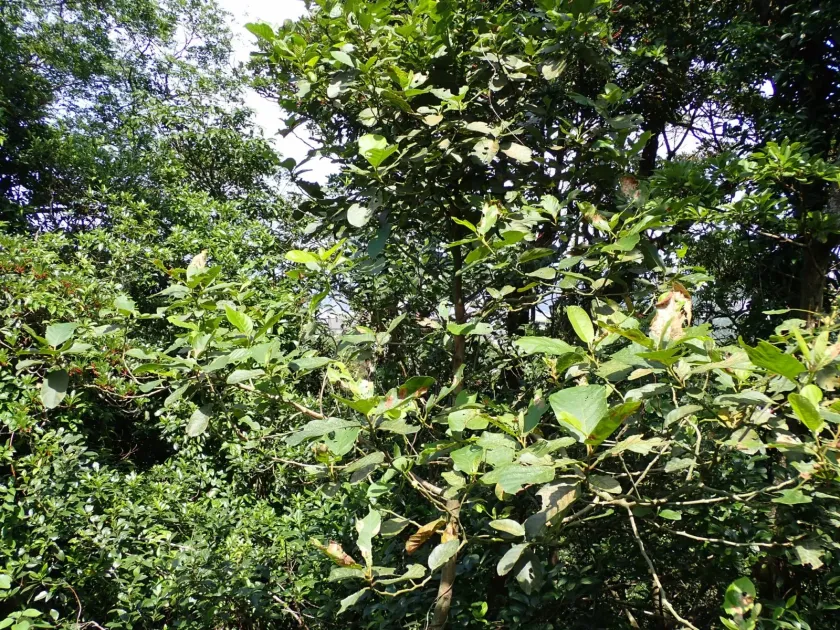
Description
Growing requirements
Litsea monopetala is a medium-sized evergreen tree belonging to the Lauraceae family, widely recognized for its ecological importance and versatile industrial applications in its native habitats.
Originating from the tropical regions of Southeast Asia and the Indian subcontinent, the species thrives in humid forest environments, demonstrating significant adaptability to various tropical ecosystems.
The crop requires fertile, well-draining soils with a neutral pH level. It performs best in areas with high annual rainfall and constant temperatures, avoiding regions that experience frost or extreme temperature drops.
In terms of agricultural management, maintaining soil moisture is vital; however, excessive water accumulation should be prevented through proper site selection and soil cultivation techniques to protect the root system.
Beyond its ecological value, the plant is primarily cultivated for its leaves, which serve as high-quality forage for silkworms, and its wood, which is utilized for construction and fuel, along with pharmacological extracts.
Main diseases and pests
The plant is susceptible to various leaf-chewing insects and caterpillars that can significantly reduce the photosynthetic surface area if not managed through integrated pest control strategies.
Fungal diseases, such as leaf blight and root rot, often emerge when the plantation density is too high, preventing adequate airflow and causing humidity to accumulate within the tree canopy.
Abiotic stress resulting from drought or excessive waterlogging can weaken the trees, making them more vulnerable to secondary infestations by wood-boring beetles and pathogens.
Effective management requires routine monitoring of the plantation, including the inspection of the underside of leaves for early signs of egg-laying or fungal spore formation.
Pruning is a recommended practice to maintain tree health, as it enhances airflow and allows for the removal of infected branches before the disease spreads to the rest of the stand.