
Litsea machilifolia
Litsea machilifolia
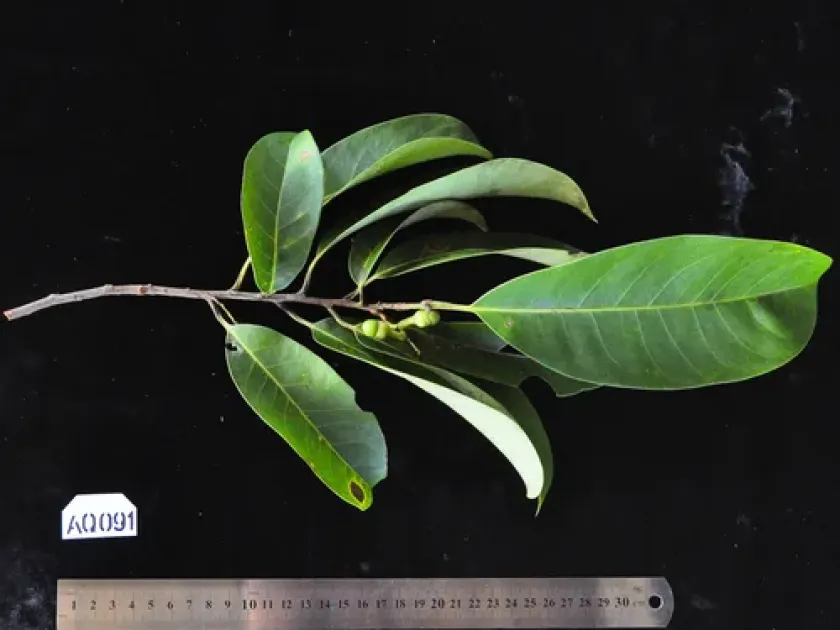
Description
Growing requirements
Litsea machilifolia is an evergreen tree species belonging to the Lauraceae family. It is a significant component of tropical forest ecosystems, valued for both its timber and its potential as a source of aromatic chemical compounds.
This species thrives in well-drained, nutrient-rich soils that support deep root penetration. It is essential to ensure that the site has effective water drainage to prevent the development of anaerobic conditions around the root zone.
The climate requirements include a warm, humid environment with high annual precipitation levels. It is a frost-sensitive plant, which limits its geographical cultivation area to tropical and subtropical regions without significant thermal fluctuations.
Botanically, the plant is characterized by its glossy, leather-like leaves and specific morphological adaptations to high-humidity environments. The crown structure is generally dense, providing significant biomass production throughout the growth cycle.
In terms of agricultural and industrial use, the timber is utilized for high-quality carpentry. Furthermore, the leaves and bark are studied for their oil content, which finds applications in specialized perfumery and pharmaceutical industries.
Main diseases and pests
Common threats to Litsea machilifolia include root rot caused by various soil-borne pathogens, particularly when cultivation occurs in compacted or waterlogged soils. Early detection is vital for ensuring long-term plantation health.
Foliar diseases, such as leaf blight and spots caused by fungal infections, can significantly reduce the photosynthetic capacity of the tree. These issues are often exacerbated by poor air circulation within the canopy.
Pest pressures primarily come from sap-sucking insects that target young, tender shoots. These pests can act as vectors for various diseases, necessitating a strict monitoring program to manage population levels effectively.
Effective management strategies involve a combination of proper pruning to enhance light penetration and the use of organic pest control methods to maintain an ecological balance within the forestry system.
Maintaining high soil fertility and optimal plant spacing are considered the best preventative measures against most biotic stresses that this specific Lauraceae species might encounter during its development.