
Litsea ligustrina
Litsea ligustrina
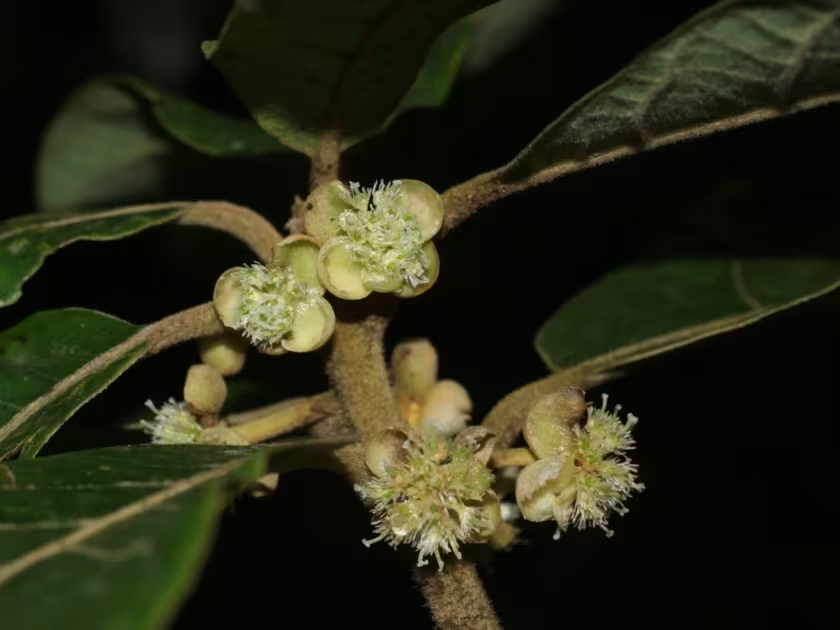
Description
Growing requirements
Litsea ligustrina is an evergreen shrub or small tree belonging to the Lauraceae family. Native to the humid tropical and subtropical regions of Southeast Asia, this species is highly valued for its aromatic properties and its distinct botanical architecture within its natural ecosystem.
The plant thrives in fertile, well-draining loamy soils with a slightly acidic to neutral pH balance. Soil structure is paramount; it must provide both adequate nutrient retention and sufficient aeration to prevent root rot, as the root system of Litsea ligustrina is highly susceptible to waterlogging.
Climatic requirements are strict for this species, as it is a tropical plant by nature. It demands consistent temperatures between 20°C and 28°C throughout the year. Frost or even prolonged exposure to temperatures below 10°C can cause severe physiological stress and irreparable damage to the foliage and vascular system.
In terms of light, this culture prefers partial shade or dappled sunlight. Intense, direct sunlight can scorch the leaves and inhibit essential oil production. Maintaining a consistent humidity level, ideally above 60-70%, is essential for the healthy development of its leaf structure and overall vitality.
Agronomic management involves regular monitoring for soil moisture and balanced fertilization. Pruning is a critical aspect of commercial cultivation, helping to maintain plant shape and stimulate the production of new, oil-rich branches. Propagation is typically managed via stem cuttings or seed germination under controlled nursery conditions.
Harvesting
The primary economic use of Litsea ligustrina is the extraction of essential oils from its leaves, bark, and young shoots. These oils contain specific chemical constituents that are highly sought after in the perfume, cosmetic, and traditional medicinal industries for their unique aromatic profiles.
Harvesting involves the selective pruning of leafy branches. By employing sustainable harvesting techniques, producers ensure that the plant continues to yield consistent biomass over several seasons. The post-harvest processing must be performed promptly to prevent the loss of volatile compounds through evaporation.