
Japanese Litsea
Litsea japonica
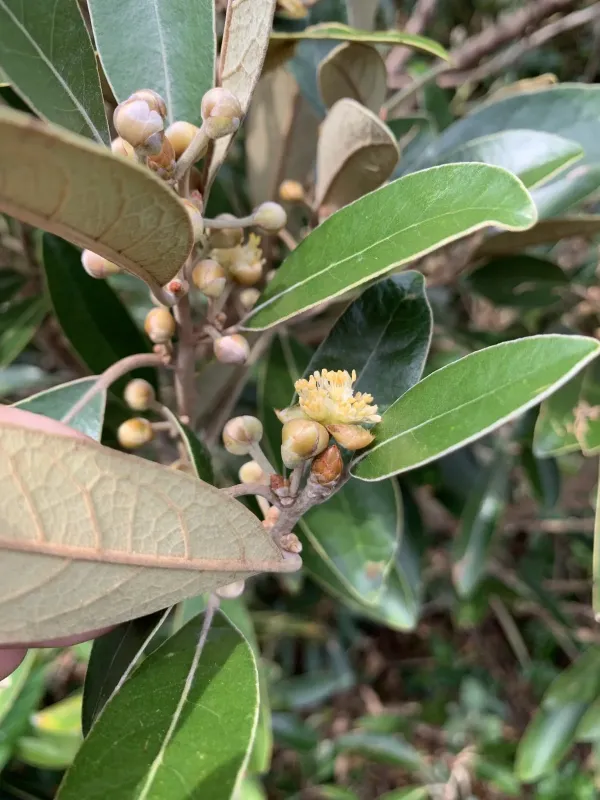
Description
Growing requirements
Japanese Litsea (Litsea japonica) is an evergreen shrub or small tree belonging to the Lauraceae family. It is recognized for its glossy foliage and aromatic properties, which are common traits within this diverse plant family.
The native distribution area of this species spans the coastal regions of East Asia, including parts of Japan and China. It is highly adapted to maritime subtropical climates where temperature fluctuations are minimal and air humidity remains consistently high.
The plant thrives in well-drained, sandy, or light loamy soils. Providing optimal aeration to the root zone is crucial for the health of the plant. It performs best in soils with a slightly acidic to neutral pH level, which encourages nutrient uptake.
Environmental conditions require full sunlight exposure to ensure proper structural development and oil production. While the species is somewhat hardy, protection from harsh, drying winds is recommended, particularly for younger specimens in their establishment phase.
Commercially, Japanese Litsea is valued for its essential oils. Beyond its industrial applications, it is an excellent candidate for coastal landscape restoration, as it stabilizes sandy soil and withstands salt spray, contributing to sustainable environmental management.
Main diseases and pests
The most common disease threats include fungal infections such as leaf spot, which are frequently triggered by prolonged periods of humidity and poor air circulation within the shrub canopy.
Pests, particularly scale insects and mealybugs, represent a major challenge during the peak growth season. Regular monitoring of the underside of leaves and stems is essential for early detection and mitigation of infestations.
Root rot remains a significant concern in areas with inadequate soil drainage. If the soil becomes waterlogged, the roots lose the ability to respire, eventually leading to the decline of the plant.
Nutritional deficiencies can lead to yellowing leaves, which often mimics the appearance of certain viral diseases. Maintaining a balanced fertilization schedule is key to preventing these physiological stress symptoms.
Implementing a preventive management program that includes canopy thinning and appropriate pest control ensures the longevity and high ornamental or industrial yield of the Litsea japonica plants.