
Litsea grandis
Litsea grandis
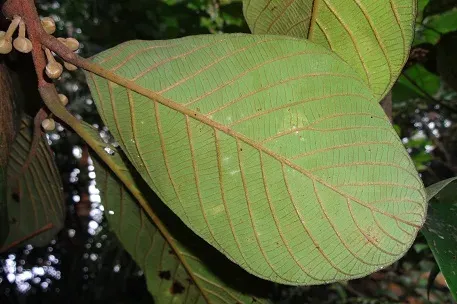
Description
Growing requirements
Litsea grandis is a distinguished tropical tree species belonging to the Lauraceae family. Known for its robust growth habit, it serves as a significant component of tropical rainforest ecosystems in Southeast Asia, including countries like Indonesia and Malaysia.
The botanical profile of the tree is characterized by broad, evergreen leaves and a complex internal structure capable of producing various secondary metabolites. Its lifecycle is strictly tied to tropical regions where humidity remains consistently high throughout the year.
Regarding cultivation requirements, Litsea grandis thrives in deep, fertile soils that provide excellent drainage. The tree is sensitive to soil compaction and waterlogging, necessitating careful site selection to ensure healthy root development during its primary growth stages.
Climate demand is high, as the species is not frost-tolerant. It requires stable temperatures and significant annual precipitation to maintain its metabolic functions. In controlled environments or plantations, farmers focus on mimicking these natural conditions to optimize biomass production.
The economic value of this species lies in its wood and the unique phytochemical composition of its leaves and bark. These products are utilized in various niche industries, including the sustainable extraction of natural oils and the forestry products sector.