
Litsea glutinosa
Litsea glutinosa
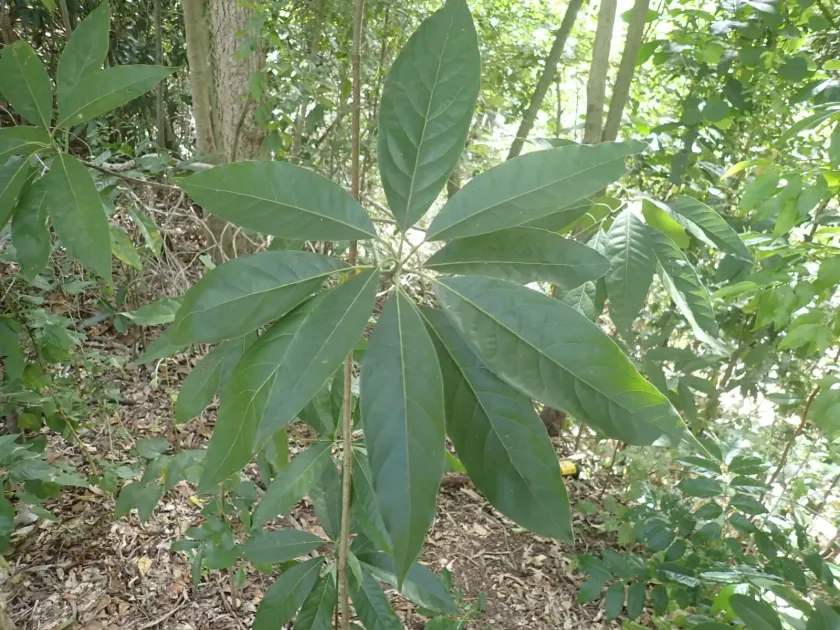
Description
Sowing dates
Litsea glutinosa, commonly known as soft bollygum, is an evergreen tree belonging to the Lauraceae family, widely distributed across tropical regions.
Propagation is primarily achieved through seeds, which require proper handling to overcome dormancy and ensure successful germination.
Seeds should be sown in a well-draining, nutrient-rich substrate, maintaining consistent moisture levels until the seedlings are well-established.
Nursery practices include providing shade to young saplings to protect them from intense sunlight during the initial stages of development.
Once seedlings reach a height of approximately 30-40 cm, they are ready for transplanting into permanent field locations at the onset of the wet season.
Growing requirements
This species thrives in tropical climates characterized by high humidity and consistent rainfall, being highly intolerant of frost or cold weather.
The ideal soil for Litsea glutinosa is a deep, fertile loam with excellent drainage, as the tree is prone to root rot in waterlogged conditions.
While the tree prefers full sun to stimulate optimal growth, moderate shading can be beneficial for young specimens in hotter, arid environments.
Maintenance of soil fertility through the application of compost or organic mulch is recommended to support rapid biomass accumulation.
Correct spacing between trees is essential to allow for adequate air circulation and to reduce the incidence of moisture-related plant diseases.
Yield
The primary economic value of the tree lies in its bark, which contains mucilaginous compounds used in various industrial and pharmaceutical applications.
Sustainable harvesting of the bark is carried out on trees that have reached maturity, typically ensuring long-term yield without killing the tree.
Leaves are also harvested for their medicinal properties and are occasionally used as fodder, adding value to the overall agroforestry output.
Yield levels are highly dependent on site selection, local soil conditions, and the intensity of the plantation management practices employed.
Proper harvesting cycles allow farmers to maintain steady productivity while encouraging the growth of new shoots on pruned branches.
Main diseases and pests
The plantation may face pressure from leaf-eating insects, which can reduce photosynthetic efficiency and overall vigor if left unchecked.
Fungal diseases are a significant concern, particularly in regions with heavy rainfall, necessitating strict hygiene and sanitation on the farm.
Root nematodes can cause localized damage in sandy soils, requiring farmers to implement integrated pest management strategies.
Vigilance is required to identify early symptoms of distress or pathogen infection to prevent widespread loss of the plantation crop.
- Periodic field inspections.
- Sanitary pruning of infected branches.
- Maintaining optimal soil drainage.
Harvesting
Harvesting is labor-intensive, often requiring manual techniques to carefully remove bark while minimizing structural damage to the tree.
Post-harvest processing involves drying the collected bark and leaves in shaded, airy locations to preserve their chemical integrity.
Quality control during drying is essential to prevent mold growth and to ensure the product meets pharmaceutical or industrial standards.
Storage of the finished product must be done in cool, dry conditions to maintain the viability of the active natural mucilage.
Systematic harvesting schedules ensure that the resource is managed in a way that promotes future growth and profitability.