
Litsea firma
Litsea firma
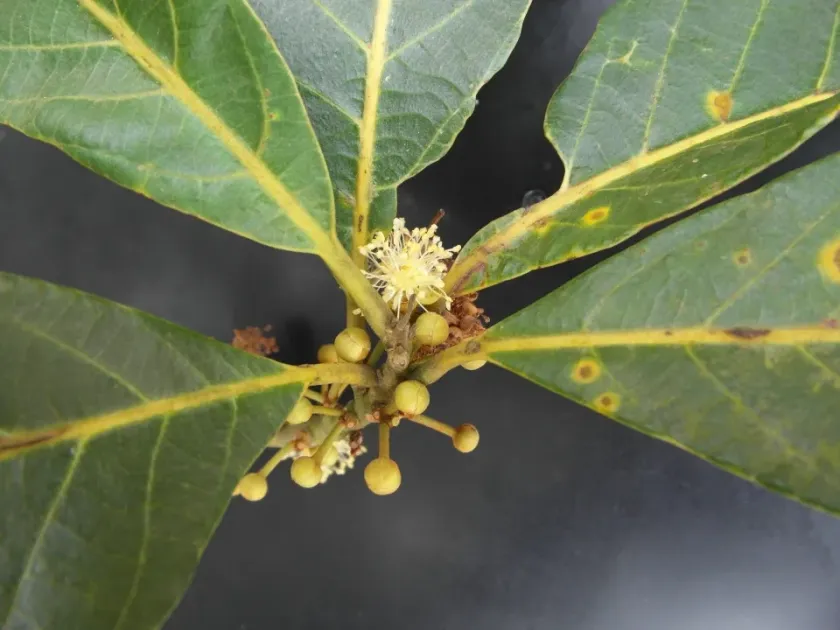
Description
Growing requirements
Litsea firma belongs to the Lauraceae family, representing an evergreen tree species native to the subtropical and tropical forests of Southeast Asia, particularly thriving in diverse forest ecosystems.
The plant demands a warm and consistently humid environment to flourish. It is highly sensitive to frost, necessitating cultivation in climate zones where temperatures remain well above freezing throughout the year.
Ideal soil conditions include nutrient-rich, well-draining substrates. The plant is prone to root rot if water stagnation occurs, making proper land drainage or the use of raised beds essential for plantation success.
In terms of light, juvenile Litsea firma individuals benefit from partial shade, while mature trees can tolerate more direct sunlight, provided soil moisture levels are maintained adequately.
Economically, the species is investigated for its timber quality and potential pharmaceutical applications, as various species in the Litsea genus are known to store specific bio-active compounds in their foliage and bark.
Main diseases and pests
Common phytopathological issues for Litsea firma include foliar fungal diseases which are exacerbated by dense canopy cover and lack of proper air circulation.
Insect pests such as mites and aphids can cause significant damage to young growth, curling leaves and reducing the photosynthetic surface area of the tree.
Stem-boring beetles present a critical threat to the structural integrity of mature trees, often requiring early detection and removal of affected branches to prevent widespread infestation.
Root rot pathogens represent the most significant threat to nursery-grown saplings, usually triggered by improper watering practices or poorly structured soil media.
Integrated pest management strategies are recommended, focusing on maintaining tree vigor through balanced fertilization and rigorous sanitation in the field or greenhouse setting.