
Litsea ferruginea
Litsea ferruginea
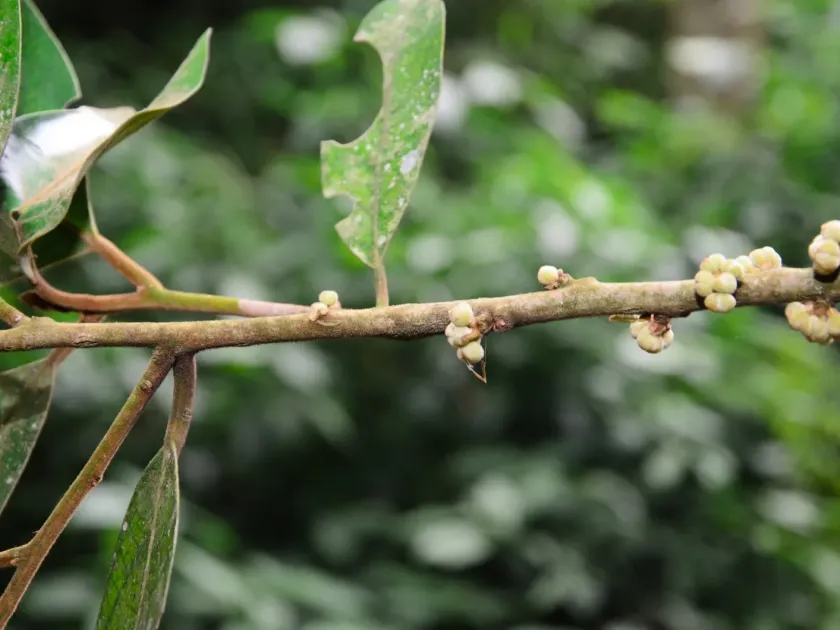
Description
Sowing dates
Litsea ferruginea is a species of flowering tree within the Lauraceae family. Propagating this culture effectively usually involves harvesting fresh seeds, which lose viability relatively quickly if not planted in a timely manner.
Sowing should take place in controlled nursery environments where soil moisture and temperature can be strictly maintained. Using a light, well-draining potting medium ensures that seeds can sprout without succumbing to fungal damping-off.
Seeds are typically sown at shallow depths. Consistent moisture levels, achieved through misting or light irrigation, are critical during the germination phase to ensure a high percentage of successful seedling emergence.
Once seedlings reach a stage of vigorous growth, usually 30 to 50 centimeters in height, they are ready for hardening off. This process involves gradually exposing the young trees to outdoor conditions before final field planting.
Strategic planting times are dictated by local rainfall patterns, ensuring that the root system has sufficient time to establish before any potential dry spell occurs in the region.
Growing requirements
This species is well-adapted to tropical conditions, requiring consistently warm temperatures throughout the year. It thrives in environments where frost is absent, as the plant is highly sensitive to cold stress.
Soil requirements for Litsea ferruginea are specific, favoring deep, fertile, and well-aerated loamy soils. The presence of adequate organic matter significantly improves growth rates and the overall health of the tree canopy.
Drainage is arguably the most critical soil parameter. While the tree enjoys moisture, it cannot tolerate waterlogging, which rapidly leads to root rot and systemic failure of the plant tissue.
Exposure to full sunlight is beneficial for mature trees, although younger specimens often perform better under light shade. This dappled light mimics the natural conditions of their native forest habitats.
Proper soil pH, ideally ranging from slightly acidic to neutral, should be managed to prevent nutrient lockouts. Regular monitoring of the soil chemical profile ensures optimal nutrient uptake for secondary metabolite production.
Main diseases and pests
Fungal diseases are a primary concern for this crop, especially in high-humidity climates. Poor aeration within the canopy acts as a catalyst for outbreaks, necessitating regular pruning to improve airflow.
Pests such as scale insects and aphids may target new growth, weakening the plant. Integrated pest management strategies, focusing on biological controls, are highly recommended to avoid chemical residues.
Wood-boring insects represent a significant threat to the structural integrity of the trunks. Detection of these pests often involves spotting frass or small exit holes in the bark, requiring immediate remedial action.
Root system health is frequently challenged by soil-borne pathogens if the drainage is insufficient. Keeping the area surrounding the base of the tree clean and free of decaying debris reduces pathogen buildup.
Proactive management of these threats through systematic surveillance and adherence to good agricultural practices is essential for maintaining the productivity and longevity of Litsea ferruginea plantations.