
Litsea elliptica
Litsea elliptica
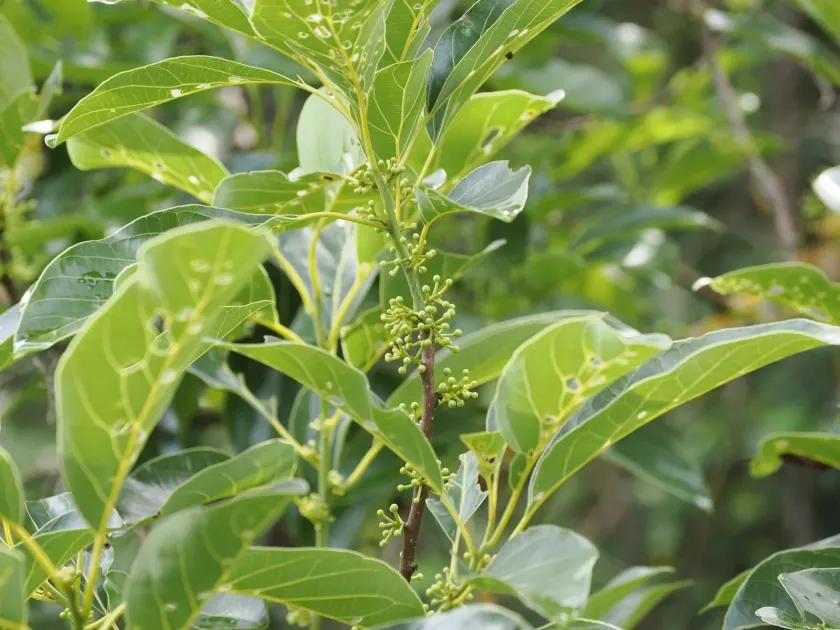
Description
Sowing dates
Litsea elliptica is a tropical evergreen tree belonging to the Lauraceae family. Propagation is primarily achieved through seeds, which must be sown fresh to ensure optimal germination rates due to their short viability.
Sowing should be performed in a well-draining, loose potting medium. Maintaining high atmospheric and soil moisture is critical during the initial stages of development to support the fragile seedlings.
Germination typically occurs over several weeks or months, contingent upon consistent warm temperatures. Young saplings require filtered light, as direct exposure can scorch the delicate foliage of the juvenile plants.
Transplanting into the field is best conducted at the onset of the rainy season to enhance survival rates. Ensuring adequate spacing is vital for the long-term health and structural integrity of the individual trees.
On commercial plantations, regular application of organic fertilizers is practiced to accelerate vegetative growth. This ensures that trees reach the harvesting maturity stage within the expected timeframe.
Growing requirements
This species thrives in tropical climates characterized by year-round rainfall and steady temperatures. The ideal thermal range for healthy growth is between 22 and 30 degrees Celsius.
Litsea elliptica prefers deep, fertile, loamy soils that possess excellent drainage qualities. Excessive water retention in the root zone must be avoided at all costs, as the plant is prone to root rot under anaerobic conditions.
Sunlight requirements change as the tree matures; while juveniles need protection, adult trees require full sun exposure to maximize the synthesis of essential oils in their leaves.
High relative humidity is essential for the plant's metabolic processes. In regions where humidity levels drop, supplemental irrigation systems are required to maintain the tree's vigor and prevent dehydration.
Routine canopy maintenance is recommended to ensure proper airflow and light penetration. Mulching around the base helps preserve soil moisture and suppresses the growth of competitive weeds.
Yield
The primary commercial interest in Litsea elliptica lies in its leaves and young shoots, which are rich in essential oils. Yield levels are significantly influenced by tree maturity and the intensity of cultural practices.
The harvest is timed based on the peak concentration of aromatic compounds in the biomass. Industrial harvesting typically involves precise pruning techniques that promote sustainable regrowth for future cycles.
Regular pruning not only facilitates harvest but also stimulates the production of secondary shoots, effectively increasing the biomass yield per tree. This management style is key to maximizing the long-term output of a plantation.
Standardized yield data varies depending on soil fertility and localized climate patterns. Successful operations rely on a balanced approach to mineral nutrition to maintain consistent production quality.
Post-harvest processing is crucial, as the quality of the essential oil depends on the speed of distillation and the prevention of overheating during the drying phase of the raw plant material.
Main diseases and pests
Fungal pathogens represent the most significant threat to Litsea elliptica, especially in humid conditions where poor ventilation exists. Root diseases are often a symptom of inadequate drainage in the plantation.
Pests such as scale insects and spider mites can infest young trees, severely damaging the leaves and reducing photosynthetic efficiency. Integrated pest management strategies are advised for sustainable control.
Leaf-eating caterpillars can cause rapid defoliation, leading to a decrease in overall plant health and oil yield. Frequent monitoring of the plantation is essential to detect early stages of pest infestation.
Biosecurity measures, including the use of clean nursery stock and sanitized tools, are critical to prevent the spread of systemic diseases. Maintaining optimal tree health through balanced nutrition is the best preventive defense.
Adequate pruning to open the canopy helps mitigate the risk of disease spread by allowing air to dry the foliage quickly after rainfall. This reduces the microclimatic conditions favored by most fungal pathogens.