
Litsea cubeba
Litsea cubeba
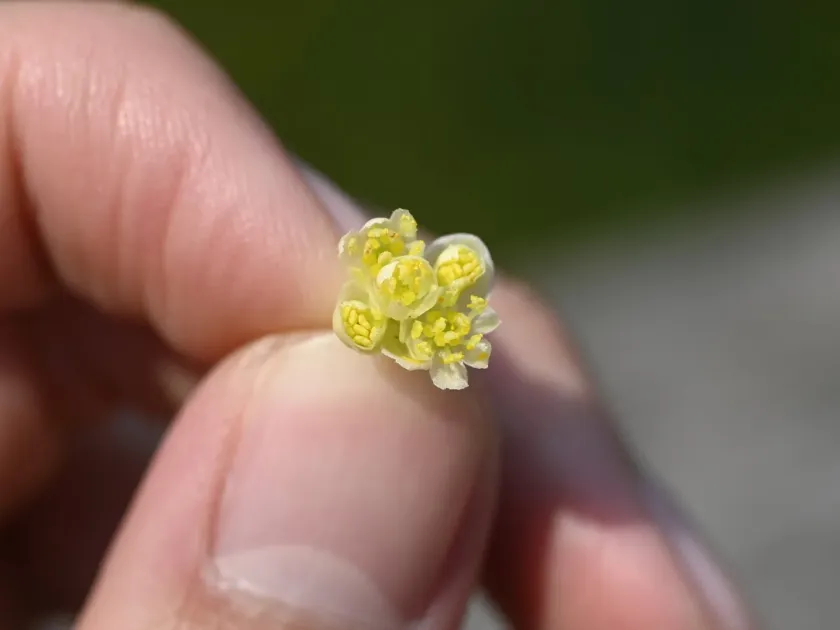
Description
Sowing dates
The propagation of Litsea cubeba in agricultural settings is typically carried out using seeds or vegetative cuttings. Seeds require pre-sowing stratification to ensure uniform germination due to their tough outer layer.
Sowing in nurseries usually occurs in spring, when soil temperatures consistently remain above 20 degrees Celsius. Maintaining stable substrate moisture is crucial for the successful development of young seedlings.
Transplanting into the field is performed once seedlings reach 30–50 cm in height and have developed a robust root system. Utilizing containerized saplings significantly enhances the establishment rate in the plantation.
Planting density is adjusted according to the intended use: higher density is preferred for leaf oil production, whereas wider spacing is required for fruit collection to ensure canopy health.
A density of 800 to 1200 plants per hectare is generally recommended to balance maintenance accessibility and sunlight penetration across the crop rows.
Growing requirements
Litsea cubeba is an evergreen tree or shrub belonging to the Lauraceae family, native to the tropical and subtropical regions of Southeast Asia.
This crop has high thermal requirements and is sensitive to frost; it thrives in climates where temperatures remain consistently warm throughout the year.
Well-drained loam or sandy soil with a pH range from slightly acidic to neutral is ideal. Waterlogging must be avoided, as it leads to root decay and can be fatal to the plant.
Litsea cubeba is a heliophilic plant, requiring full sun exposure for optimal growth. It also benefits from protection against strong winds, which can damage the delicate branches.
Regular irrigation is vital during the active growing stages, although mature plants show moderate resilience to short-term dry spells once they are well-established in the field.
Yield
The economic value of Litsea cubeba is derived primarily from its essential oil, which is rich in citral, highly valued in the fragrance and chemical industries.
The fruit yield per mature tree ranges from 5 to 15 kilograms, depending on age, pruning techniques, and the environmental conditions of the plantation site.
Regular pruning is a mandatory agricultural practice to stimulate the growth of new side branches, which increases flower density and, consequently, total fruit production.
Efficiency in harvesting is critical, as the harvested fruits must be processed immediately to prevent degradation and loss of volatile aromatic compounds.
Yield stability is achieved through proper fertilization programs that support vegetative growth and fruit development throughout the primary growing season.
Main diseases and pests
Fungal diseases affecting the root system represent the main threat to Litsea cubeba plantations, often caused by poor drainage or excessive soil moisture levels.
Pests such as scale insects and spider mites frequently infest the foliage, sucking plant sap and reducing the tree's vigor and overall productive capacity.
Powdery mildew can pose a significant challenge in areas with high humidity, necessitating preventative antifungal treatments to maintain healthy leaf surfaces.
Nematode infestations can undermine the root system of younger trees; thus, pre-planting soil analysis and sanitation are considered essential precautions.
Integrated pest management strategies are recommended, focusing on maintaining field hygiene and promoting beneficial insect populations to keep pest levels in check.
Harvesting
Fruit harvesting is performed at the stage of full physiological maturity, when the concentration of essential oil in the berries reaches its maximum peak.
Manual harvesting is the most common method to ensure the fruits are collected without damage, preserving the integrity of the oil-bearing glands.
Post-harvest logistics must be streamlined, as delays in processing lead to the evaporation of essential oils, which negatively impacts the final product quality.
Leaf and young twig harvesting can provide additional secondary yields, offering a supplementary source of income during the non-fruiting periods of the year.
Proper coordination between the plantation field teams and the distillation facility is essential to maintain high-grade standards and efficiency in oil extraction.