
Korean litsea
Litsea coreana
Description
Growing requirements
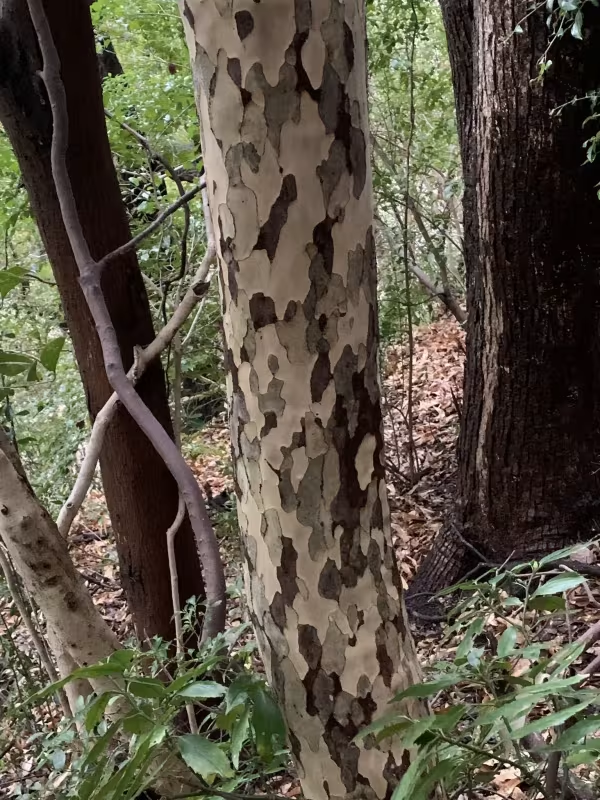
Korean litsea (Litsea coreana) is a perennial evergreen plant belonging to the Lauraceae family. It typically grows as a small tree or shrub, valued for its lush foliage.
Native to East Asia, including Korea and Japan, the plant thrives in warm, humid climates characteristic of subtropical forested regions.
The plant requires well-drained, nutrient-rich soil with a slightly acidic profile. It is sensitive to waterlogging, making proper soil preparation essential for healthy development.
Regarding climate, Litsea coreana prefers regions with mild winters and high ambient humidity. Exposure to extreme frost can cause significant damage to the canopy.
Agricultural management includes consistent irrigation during dry spells and the application of balanced organic fertilizers in the early spring season to support vegetative growth.
Yield
The primary economic use of Korean litsea lies in its essential oil production. The leaves contain volatile compounds that are sought after for their fragrance and pharmacological properties.
The wood of this species is known for its durability and resistance, sometimes utilized in specialty timber production or decorative crafts due to its unique texture.
Extracts derived from various plant parts are being researched for potential applications in the beauty and wellness industries as natural antimicrobial agents.
Cultivation for secondary metabolites is a niche but growing field, as global demand for plant-based, natural chemical alternatives continues to rise.
Harvesting strategies vary based on the intended output; for leaf oil extraction, a systematic pruning schedule is implemented to maximize biomass production.
Main diseases and pests
The species is susceptible to common greenhouse and garden pests, primarily scale insects and spider mites that thrive in enclosed or stagnant air environments.
Fungal pathogens such as Phytophthora can cause root rot, especially when the soil drainage is inadequate or moisture levels are consistently too high.
To mitigate the risk of disease, cultivators should ensure proper spacing between trees to allow for adequate airflow and consistent sunlight penetration through the canopy.
Integrated Pest Management (IPM) practices are highly recommended, involving the use of predatory mites or biological sprays to manage pest populations without synthetic chemicals.
Regular monitoring of foliage color and stem integrity is necessary to detect early signs of infestation or nutritional imbalances before they affect the overall plant health.