
Sea lavender
Limonium vulgare
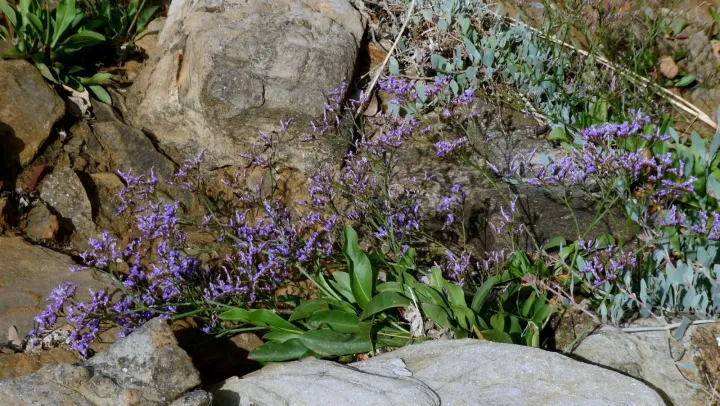
Description
Sowing dates
Sowing of sea lavender (Limonium vulgare) is best performed in early spring once the soil temperature reaches 10–12 degrees Celsius. For commercial production, a greenhouse sowing method is often utilized in February or March to ensure early crop development.
When sowing directly into the open field, proper soil preparation is essential. The seeds require shallow sowing, as light is necessary for successful germination, so they should only be lightly covered with substrate or fine sand.
Maintaining proper spacing is critical when sowing. Since adult plants form large basal rosettes, the optimal planting scheme is 30–40 centimeters apart within rows, ensuring each plant has sufficient access to nutrients.
Seedlings typically emerge within 14–20 days, provided that soil moisture is kept consistent. During the initial growth stages, the plant develops slowly, making timely weed control essential to prevent competition and seedling suppression.
The seeds maintain viability for 2–3 years if stored in a cool, dry environment. It is recommended to perform seed calibration before planting to ensure uniform germination rates and consistent crop development throughout the plantation.
Growing requirements
Sea lavender belongs to the Plumbaginaceae family and is a true halophyte, specifically adapted to saline soil conditions. It demonstrates exceptional resilience in challenging environments, including coastal areas and salt marshes.
This crop is highly light-demanding and thrives best in open, sunny locations. A lack of solar radiation leads to leggy stems and a significant decline in the decorative quality and biological productivity of the flower spikes.
While the plant is drought-tolerant, moderate watering is required during active growth to produce high-quality inflorescences. Waterlogging is detrimental to sea lavender, as it quickly promotes the development of root rot diseases.
The ideal growing medium consists of light sandy or sandy-loam soils with a neutral to slightly alkaline pH. Heavy clay soils that lack proper drainage are entirely unsuitable for the industrial cultivation of this crop.
Sea lavender is characterized by high winter hardiness in temperate regions, though in areas with harsh winters and insufficient snow cover, the root system may benefit from a light layer of protective mulch.
Main diseases and pests
The primary threat to sea lavender crops is fungal disease, which typically develops during periods of excessive moisture. Common issues include powdery mildew, manifesting as white spots on leaves, and various forms of root rot.
To prevent pathogen outbreaks, it is crucial to adhere strictly to irrigation protocols and ensure proper aeration of the field. Avoiding overcrowded planting is necessary, as stagnant air promotes the rapid spread of infections.
Among pests, aphids and cutworm larvae cause the most damage by feeding on both the vegetative mass and the developing flower buds. Regular field inspections allow for timely detection and the application of integrated pest management strategies.
In some instances, nematode infestations may occur, leading to the deformation of basal leaf rosettes. Managing this pest is challenging, making crop rotation and the use of certified, clean planting material the most effective preventive measures.
Slugs and snails can cause damage to young foliage during wet weather. Utilizing barrier methods, such as spreading wood ash or sand around the base of the plants, helps reduce pest populations without the need for synthetic chemicals.
Harvesting
Harvesting sea lavender should be carried out when the flowers are in full bloom. This stage is crucial, as the inflorescences maintain their structural integrity and vibrant color after drying, which is essential for professional floristry.
Stems should be cut during dry weather, preferably in the morning after the dew has evaporated. This practice helps prevent excessive moisture in the bundles, which is a major cause of raw material spoilage during the drying process.
Harvested spikes are gathered into small bunches and hung upside down in shaded, well-ventilated areas. Direct sunlight must be avoided during drying, as it causes rapid fading of the petals and loss of commercial value.
The economic use of sea lavender includes both its role as a decorative dried flower and its utility as medicinal raw material. The roots contain tannins, which support applications in pharmacology and the leather tanning industry.
Following the harvest, the plantation should be cleared of debris and treated with phosphorus-potassium fertilizers to strengthen the plants before they enter the dormant winter period.