
Two-colored sea lavender
Limonium bicolor
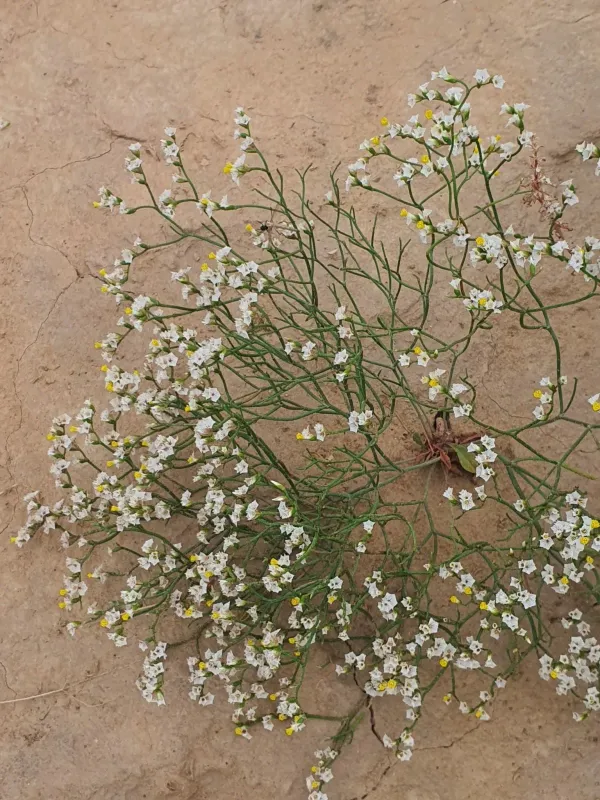
Description
Sowing dates
Seeds of Limonium bicolor are typically sown in early spring once the soil temperature reaches 15-18 degrees Celsius. For greenhouse production, starting seeds indoors in late February ensures a longer growing season.
Direct sowing in outdoor fields is recommended only in regions with mild spring climates. Seeds should be sown at a shallow depth of approximately 0.5 to 1 cm, as light exposure is often beneficial for germination.
Germination is relatively slow and requires consistent moisture. Overwatering must be avoided, as the small seeds are highly susceptible to damping-off disease in stagnant, overly damp conditions.
Seedlings are transplanted to their permanent outdoor location once the risk of frost has passed and they have developed at least three true leaves. Proper spacing of 30-40 cm is essential for air circulation.
Because the plant develops a deep taproot, it is sensitive to root disturbance. When transplanting, it is crucial to handle the root ball with extreme care to avoid shock and promote successful establishment.
Growing requirements
Limonium bicolor, belonging to the Plumbaginaceae family, requires full sun exposure to thrive. Any shade will significantly reduce flower production and diminish the intensity of the bloom's coloration.
This species is highly adaptable to various soil types but performs best in light, sandy, or well-drained loam soils. It shows remarkable tolerance to salt-affected soils, making it an excellent candidate for challenging sites.
The plant is naturally drought-tolerant once established. Frequent irrigation is unnecessary and can be detrimental to the plant's health, as it prefers dry conditions over constant moisture.
The soil should be kept weed-free to prevent competition, as Limonium bicolor does not compete well with vigorous weeds. Regular inter-row cultivation helps in aerating the soil and managing weed growth.
Avoid excessive fertilization, particularly with nitrogen, which can lead to lush vegetative growth but poor flowering. A balanced, low-concentration fertilizer may be applied during the early growth phase if soil nutrients are low.
Yield
The economic yield of Limonium bicolor is measured by the number of high-quality stems harvested for the dried flower market. A single healthy plant can produce dozens of flowering stalks over the course of the season.
Yield consistency depends on climatic conditions. Sunny, dry summers generally lead to more robust blooms that retain their decorative quality better after the drying process is complete.
Seed harvesting from selected parent plants provides enough material for future cultivation. Productivity can be optimized by harvesting stems at regular intervals to encourage the plant to push out new growth.
In large-scale commercial cultivation, Limonium bicolor is valued for its low maintenance requirements. The crop remains productive throughout the entire summer, offering a steady supply of material for florists.
Quality control is vital; flowers must be harvested at the correct stage of development to ensure the best market price. Proper handling post-harvest significantly impacts the final value of the agricultural product.
Main diseases and pests
Powdery mildew is the most common disease affecting Limonium bicolor, particularly in areas with high humidity or poor air circulation. Symptoms include a white, powdery coating on leaves and stems.
Root rot, caused by various fungal pathogens, is a significant threat in poorly drained soils. Prevention is key: ensure the site has optimal drainage and avoid over-saturating the soil during the rainy season.
Pests such as aphids and spider mites can infest the foliage, especially during hot, dry spells. Regular monitoring and the use of targeted biological or chemical control agents are effective in managing infestations.
Cutworms and other soil-borne insect larvae may damage the crown of the plant. Maintaining clear ground around the plants and using physical barriers can help mitigate this damage effectively.
Adhering to a proper crop rotation plan is essential to minimize the buildup of soil-borne pathogens. Avoid planting Limonium on ground previously used for other Plumbaginaceae species for at least 3-4 years.
Harvesting
Harvesting for the dried flower trade is performed when the flowers are fully opened. At this stage, the colors are at their most vibrant, and the flower structure is firm enough to withstand drying.
The stalks are gathered into bunches and hung upside down in a dark, well-ventilated room. Keeping the stems away from direct sunlight is crucial to preventing the pigment from fading during the drying process.
Drying usually takes about two weeks. The product is ready when the stems are completely stiff and the flowers show no signs of moisture, maintaining their form perfectly for long-term decorative use.
For seed collection, stalks are allowed to remain on the plant until they become naturally dry and brown. The seeds are then threshed and winnowed to remove plant debris before long-term storage.
Stored seeds should be kept in a cool, dry, and dark environment, preferably in paper envelopes. Proper storage conditions ensure that germination rates remain high for the following planting season.