
Southern sea lavender
Limonium australe
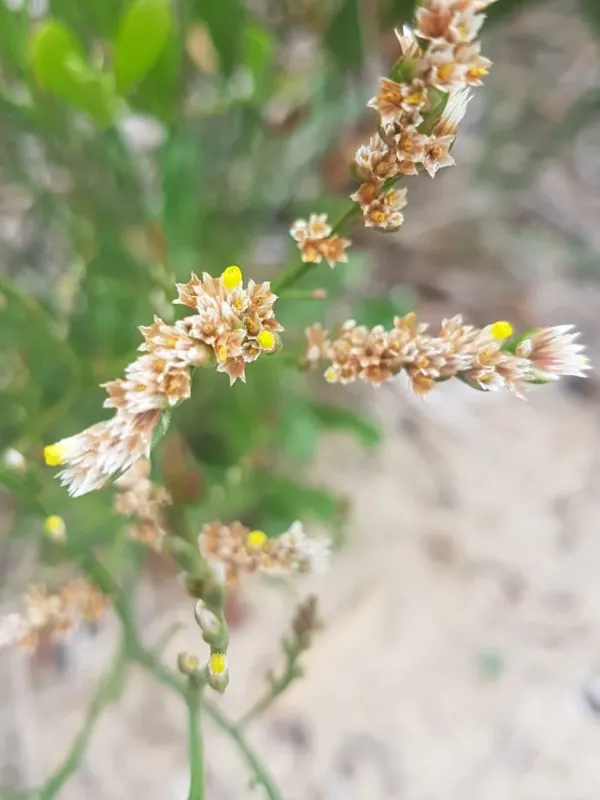
Description
Sowing dates
Limonium australe belongs to the Plumbaginaceae family and is recognized as a hardy perennial. In agricultural practice, seeds are typically sown in early spring once soil temperatures reach a consistent 15-18 degrees Celsius.
For greenhouse propagation, seeds should be sown in March using a light, well-draining medium. Direct sowing into open fields is only recommended in regions with mild climates to avoid damage from late spring frosts.
The seeds have a tough outer coat, often requiring stratification or soaking to improve germination rates. Seeds should be covered with only a thin layer of soil, no more than 0.5 cm, as they require sufficient light to trigger the germination process.
Ensuring adequate sunlight for seedlings is critical, as any lack of light will result in weak, elongated plants. Proper spacing should be maintained during the early stages of growth to ensure a healthy root system.
Transplanting should occur once all danger of frost has passed. Plants should be spaced 30 to 40 centimeters apart, which allows for optimal air circulation and prevents the overcrowding that can lead to disease.
Growing requirements
As a natural halophyte, Limonium australe is exceptionally well-adapted to saline soils and coastal environments. The crop has an absolute requirement for full sunlight; it will fail to thrive in even partial shade.
Well-drained, sandy, or gritty soil is essential for this plant. It is highly intolerant of waterlogged conditions, which lead to rapid root decay; therefore, heavy clay soils must be amended or raised to ensure proper drainage.
This species is highly drought-tolerant, making it an excellent candidate for regions with arid climates. Once established, the plants require minimal supplemental irrigation, provided they have access to their preferred soil conditions.
The ideal soil pH for the southern sea lavender is neutral to slightly alkaline. Excessive fertilization with nitrogen-heavy manure is discouraged, as it can cause rank growth and diminish the plant's natural flowering performance.
Regular maintenance of the planting area is necessary to remove competing weeds. Aerating the soil between rows promotes root oxygenation, which is vital for the plant to withstand extreme weather conditions.
Main diseases and pests
The most significant threat to Limonium australe is root rot, caused by stagnant water in the root zone. Overwatering or poor drainage will almost certainly result in the death of the plant due to fungal pathogens.
Humid conditions can also promote powdery mildew, a fungal infection identified by a white, dusty residue on the leaves. Proper spacing and airflow are the best defensive measures against this common issue.
Pests, particularly aphids and certain caterpillars, can damage the foliage and stems. Such damage can weaken the plant and serve as an entry point for viruses that negatively impact the overall yield and aesthetics.
When pest intervention is necessary, the use of contact-action insecticides is appropriate. However, application should be carefully timed to avoid harming beneficial pollinators that are attracted to the blossoms.
Maintaining a clean growing area by promptly removing debris and unhealthy plants helps minimize the incidence of pests and diseases. Vigilant monitoring during the peak growing season is recommended for any commercial operation.
Harvesting
The primary use for Limonium australe is the production of high-quality dried flowers. Harvesting should be performed during the peak flowering phase when the blossoms are fully open and exhibit their most vibrant colors.
Stems should be cut in the early morning after any dew has evaporated. They are then tied into small bundles and hung upside down in a dark, well-ventilated area to ensure the colors do not fade during the drying process.
Once dried, the flowers are highly durable and hold their structure for several years, making them a staple in the floral industry for long-lasting decorative arrangements.
Beyond its use in floristry, the plant has potential applications in ecological restoration. Its ability to thrive in harsh, saline conditions allows it to be used for soil stabilization in coastal or desertified areas.
Care must be taken to keep the drying area shaded. UV exposure during the drying phase will quickly degrade the natural pigments, resulting in a lower quality product that is less desirable for commercial floral markets.