
Limonium articulatum
Limonium articulatum
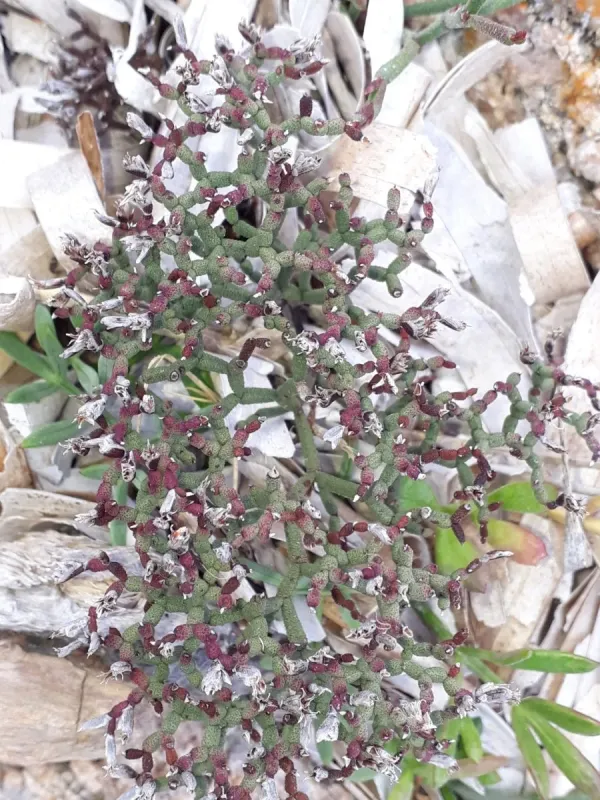
Description
Sowing dates
Sowing of Limonium articulatum seeds typically begins in late winter or early spring within greenhouse environments to ensure seedlings are robust before transplanting.
Seeds are shallowly sown in a well-draining substrate to allow sufficient light penetration, which is a critical factor for the successful germination of this species.
Proper spacing during the propagation phase is essential to prevent etiolation of the young plants, which can happen if light intensity is too low for the seedlings.
Direct field sowing can be implemented in regions with warm climates, provided that the soil temperature is consistently high and the danger of frost has passed.
Pre-treatment of seeds with mild stimulants can increase the germination percentage, as wild populations often show uneven dormancy periods in various soil conditions.
Growing requirements
Limonium articulatum is highly adapted to arid environments, requiring full sunlight exposure to maintain its compact growth habit and vivid floral pigmentation.
The ideal soil type is a sandy or gravely loam with excellent permeability, ensuring that the root zone remains dry to prevent common fungal complications.
This crop displays remarkable salt tolerance, making it an excellent candidate for cultivation in coastal areas or soils with high salinity levels unsuitable for other plants.
A neutral to slightly alkaline soil pH is optimal for this species; therefore, amendments like lime should be applied if the soil is acidic to ensure nutrient uptake.
Maintenance involves minimal irrigation, as over-watering is the primary cause of plant failure, typically leading to root decay and overall loss of vigor.
Main diseases and pests
Fungal diseases, specifically powdery mildew and Botrytis, are the primary threats during periods of high humidity or poor air circulation within the field.
Root rot often occurs due to inadequate soil drainage or excessively heavy, compacted soils that do not allow for the necessary oxygen exchange in the root system.
Pests like aphids and spider mites can infest the floral stalks, particularly under stressful dry conditions, causing damage to the commercial value of the flowers.
Effective management requires scouting programs to identify outbreaks early, followed by the strategic application of fungicides and horticultural oils as needed.
Implementing a proper crop rotation strategy helps significantly in reducing the build-up of soil-borne pathogens that target Limonium species over consecutive seasons.
Harvesting
Harvesting is performed when the flowers are fully developed to ensure that the colors remain stable and vibrant after the drying process is complete.
Stems should be cut at the base in the morning hours to ensure that the plant tissues have full turgor but are free of any lingering surface moisture from dew.
Air-drying in dark, well-ventilated rooms is the standard technique to preserve the integrity of the calyx, which is the most ornamental part of the flower.
Once dried, the flowers should be stored in controlled environments away from direct sunlight to prevent the degradation of natural pigments over time.
Properly processed, the dried stalks of Limonium articulatum serve as high-quality materials for professional floral arrangements and decorative crafts.