
Sharp-leaved sea lavender
Limonium acutifolium
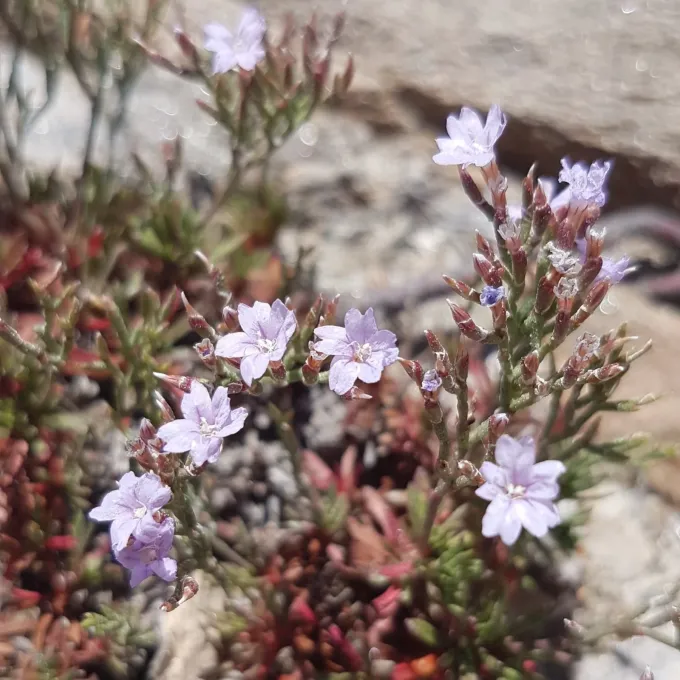
Description
Sowing dates
Sharp-leaved sea lavender belongs to the Plumbaginaceae family and is commonly grown as a decorative perennial or annual crop.
Seeds should be sown in late winter indoors to ensure well-established plants ready for transplanting once the risk of frost has passed.
The seeds require light to germinate, so they should be only lightly covered with fine soil or vermiculite during the sowing process.
For optimal results, maintain a constant temperature around 20 degrees Celsius and keep the growing medium consistently moist but not waterlogged.
Seedlings should be hardened off gradually before being planted in the field to adapt them to fluctuating outdoor temperatures.
Growing requirements
The plant thrives in full sun exposure and is highly adapted to arid conditions where other ornamental plants might struggle.
Well-drained, sandy, or rocky soil is ideal for Limonium acutifolium as it prevents root rot, which is the primary cause of plant loss.
It is remarkably tolerant of saline soils, making it an excellent candidate for coastal gardens or areas affected by soil salinity.
Little to no fertilizer is required, as excessive soil richness can lead to succulent growth that is prone to lodging and fungal issues.
Adequate air circulation around the plants is essential for maintaining plant health and preventing the onset of foliage diseases.
Main diseases and pests
Fungal diseases such as Botrytis blight are common during humid weather, especially if the planting density is too high for the site.
Powdery mildew can appear on the leaves in late summer, often triggered by fluctuations between extreme heat and moisture.
Pests like aphids may target the succulent growth during the spring, requiring manual removal or organic insecticidal soap applications.
Root system health is paramount; therefore, avoiding soil compaction is necessary to allow oxygen access to the roots.
Regular monitoring of the foliage and base of the stem is recommended to catch early signs of pest infestation or physiological stress.
Harvesting
Harvesting for the dried flower market should occur when the flowers are at the peak of their color intensity and full openness.
Stems must be cut and bundled promptly, then hung in a cool, dark, and well-ventilated area to ensure uniform drying and color retention.
Handling the stems carefully prevents bruising, which can negatively impact the final aesthetic quality of the dried product.
If harvesting for seeds, allow the flower heads to turn brown and dry naturally on the stem before collecting and threshing them.
Post-harvest care involves storing the dried bundles in airtight containers if they are to be stored for a long period before sale.