
Sea lavender
Limonium auriculae-ursifolium
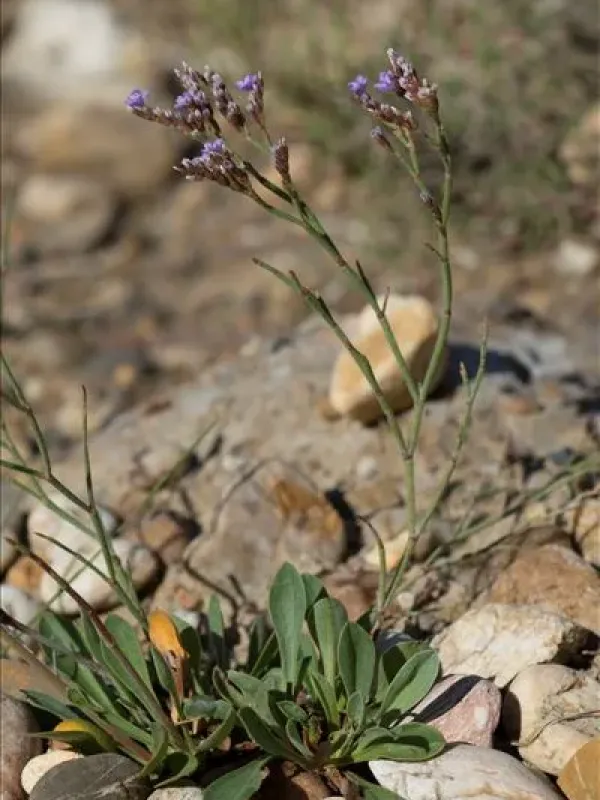
Description
Sowing dates
Sowing seeds of Limonium auriculae-ursifolium is best done indoors in late February or March to ensure strong seedlings. As this species grows its root system relatively slowly, early indoor starts provide the necessary lead time before the spring planting season.
In regions with milder climates, direct sowing outdoors is possible once the danger of frost has passed and the soil has sufficiently warmed up. Proper soil preparation is essential for successful germination and early establishment of the young plants.
When sowing, maintaining correct spacing is crucial to prevent crowding, as the plant develops dense basal leaf rosettes. A planting distance of 30–40 centimeters is recommended to ensure adequate space and air circulation for each individual plant.
The plant is known to be sensitive to root disturbance, which is why starting seeds in individual peat or biodegradable pots is highly advisable. This method allows for transplanting without damaging the sensitive taproot system.
Germination typically occurs within two to three weeks when temperatures are maintained between 18 and 22 degrees Celsius. Constant yet light moisture is required until the seedlings emerge, after which watering should be gradually reduced.
Growing requirements
Sea lavender is a member of the Plumbaginaceae family, naturally adapted to harsh, saline environments and coastal regions. This evolutionary background makes the plant exceptionally hardy and capable of thriving in poor, sandy, or rocky soil conditions.
Full sun is a non-negotiable requirement for this species. Any form of shading or competition for light results in weak, spindly growth and a significant reduction in the quantity and quality of the flower stems produced throughout the season.
Excellent drainage is the most critical factor for success with this plant. While it is tolerant of low soil fertility, it will not survive in waterlogged soil, which leads to immediate root rot and the death of the plant.
The plant is highly drought-tolerant once established and performs well in regions with hot, dry summers. Supplemental irrigation should only be provided during periods of extreme drought to keep the plants in optimal physiological condition.
Fertilizer application should be kept to a minimum. Excessive nitrogen promotes abundant leaf growth but inhibits flowering. A balanced, low-dose phosphorus-potassium fertilizer applied in early spring is sufficient to support healthy flower development.
Main diseases and pests
The primary threats to Limonium auriculae-ursifolium are fungal diseases triggered by excessive soil moisture and poor airflow. Powdery mildew and root rot are the most common pathogens that can quickly compromise the plant's health.
Good cultural practices, such as choosing well-drained sites and ensuring proper spacing between plants, are the best defense against fungal issues. If infections do occur, applying systemic fungicides can help control the spread of the disease.
Aphids and spider mites are the most frequent insect pests. They feed on the succulent parts of the plant and can weaken it if left unchecked. Integrated pest management, including natural predators or targeted insecticides, should be used when necessary.
Weed control is essential during the early stages of growth, as competing weeds can harbor diseases or pests that might jump to the sea lavender. Keeping the root zone clear of unwanted vegetation ensures the plant has access to all available nutrients.
Monitoring the base of the plant for any signs of decay is recommended, especially after periods of high humidity or heavy rainfall. Keeping the foliage dry during irrigation helps mitigate the risk of pathogen colonization.
Harvesting
Harvesting should take place when the flowers are fully open but before they begin to fade. Harvesting at the peak of maturity is essential to ensure the longevity of the blooms as dried specimens for floral arrangements.
The best time for harvesting is during a dry afternoon once all traces of morning dew have evaporated. Collecting flowers with any residual moisture can lead to mold and poor-quality results during the drying process.
Cut stems should be bundled and hung upside down in a dark, dry, and well-ventilated location. Keeping the drying flowers out of direct sunlight is crucial, as this preserves the natural color intensity of the bracts for a longer period.
Limonium auriculae-ursifolium is a prized material in professional floristry for creating high-quality dried flower bouquets and decorative wreaths. Its durable structure allows it to maintain its shape even years after the initial harvest.
After the primary harvest, light deadheading or light fertilization can sometimes encourage the plant to produce a secondary, smaller flush of flowers if the growing season is sufficiently long and warm.