
Limonium algarvense
Limonium algarvense
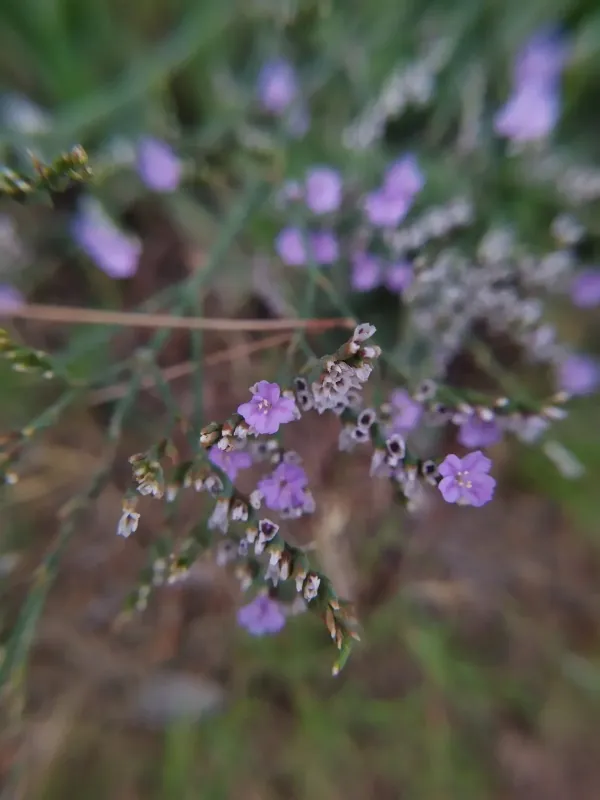
Description
Sowing dates
Sowing seeds of Limonium algarvense is best performed in a greenhouse to raise healthy transplants. The ideal timing for starting seeds is late February or early March to ensure plants are ready for the season.
Seeds require a period of stratification to improve germination rates and uniformity. This process mimics natural environmental conditions, leading to stronger seedlings ready for outdoor transplanting.
Transplanting into open ground should only happen after the risk of frost has passed, usually by late May. Soil should be well-warmed to prevent transplant shock and ensure quick establishment.
Spacing between plants should be approximately 30–40 centimeters to allow for optimal air circulation. Proper spacing is crucial to prevent diseases and to ensure each plant has enough nutrients and space.
Direct seeding is possible in warmer regions, but greenhouse propagation remains the preferred method for professional cut flower production. This allows for better density control and more predictable harvest timing.
Growing requirements
Limonium algarvense is a perennial member of the Plumbaginaceae family, often cultivated as an annual in commercial floriculture. It is highly valued for its drought tolerance and robust nature.
The plant thrives in open, sunny locations with light, well-draining sandy or loamy soils. Excellent drainage is non-negotiable, as waterlogged soil quickly causes root decay and plant failure.
It is well-suited for saline soils, making it a viable crop for regions with challenging soil chemistry. High light levels are essential to ensure the vivid color development of the flower spikes.
Excessive nitrogen fertilization should be avoided, as it encourages excessive vegetative growth rather than the desired floral display. Potassium-rich fertilizers during the budding phase are beneficial.
Being native to coastal regions, the plant requires good air movement to stay healthy. High humidity is generally unfavorable and can lead to foliage rot if not managed properly.
Yield
The agricultural use of Limonium algarvense is primarily focused on the production of high-quality dried flowers for the floral industry. Yield is measured by the number of high-grade flower stems per plant.
A well-managed plant can produce between 10 and 20 robust flower stems in a single season. These stems are highly prized for their durability and ability to maintain color after drying.
Harvesting is typically done when the flowers reach their peak bloom stage, showing the most intense color. Delaying harvest results in potential shattering of the small florets upon drying.
Market value is determined by stem length, cluster density, and the absence of insect or mechanical damage. Premium quality yields command high prices in the professional dried flower trade.
Economic efficiency depends on integrating sustainable farming practices with efficient post-harvest handling. Consistent quality ensures long-term partnerships with floristry wholesalers and designers.
Main diseases and pests
The most common threats to Limonium algarvense are root rots caused by poor soil drainage and overly frequent irrigation. Gray mold can also occur in high-humidity conditions, affecting the flower heads.
Preventative measures include maintaining proper soil structure and ensuring sufficient distance between plants. Fungicide applications should be used selectively as part of an integrated pest management plan.
Pests such as aphids and spider mites can damage the foliage and stunt the development of flower spikes. These pests feed on cell sap and can significantly reduce the overall harvest quality.
Monitoring for pest activity should be a weekly task for growers. Early intervention using appropriate insecticides or biocontrol methods can prevent large-scale outbreaks on the plantation.
Effective sanitation, including the removal of crop residues at the end of the season, is critical for breaking the life cycles of pathogens and pests within the soil.
Harvesting
Harvesting Limonium algarvense is a labor-intensive process, typically performed by hand during the morning after the dew has evaporated. This timing ensures the plant is at its ideal moisture content.
Stems are gathered into bunches and hung upside down in a dark, dry, and well-ventilated space. This drying method keeps the stems straight and preserves the integrity of the flower clusters.
Temperatures during the drying process should be kept below 30 degrees Celsius to prevent the flowers from becoming excessively brittle. Proper drying ensures long-term shelf life for the product.
Once fully dried, the stems are inspected, sorted by quality, and carefully packaged. Maintaining low moisture levels in the final product is key to avoiding mold during storage and transit.
Storage areas must be kept cool and dry at all times. High humidity post-harvest will ruin the quality of the dried product, causing it to soften and lose its decorative value.