
Limonium arboreum
Limonium arboreum
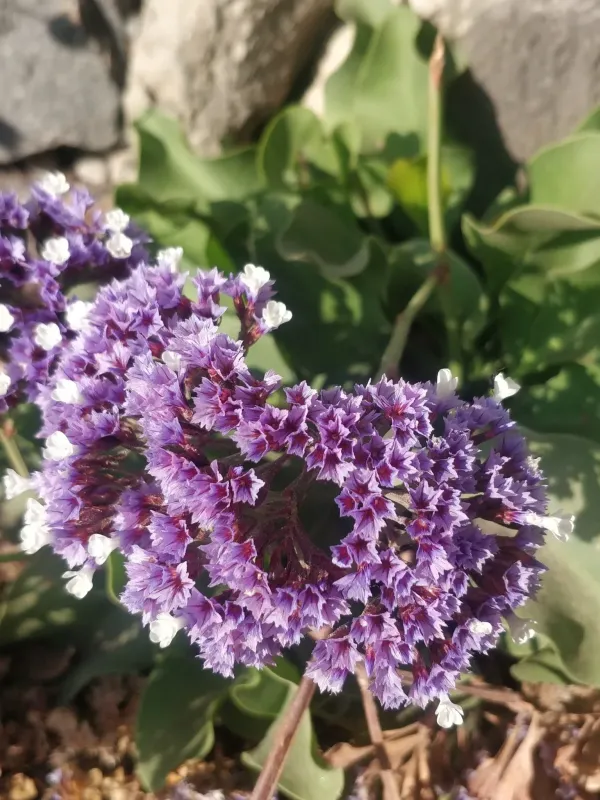
Description
Sowing dates
Sowing seeds of Limonium arboreum for seedling production is recommended to start in late winter or early spring, approximately 8 to 10 weeks before the last frost date.
The seeds have a protective hard coat; therefore, light scarification or soaking in warm water for a few hours can significantly improve and speed up germination rates.
Use a lightweight, well-draining, and slightly alkaline substrate to ensure that the delicate roots receive sufficient aeration while retaining necessary moisture.
Place the seed trays in a warm and bright location, ensuring the soil remains consistently moist but never waterlogged to avoid damping-off diseases.
Transplant the seedlings into individual pots once the first true leaves have developed to allow for healthy root system expansion before outdoor planting.
Growing requirements
Limonium arboreum is a member of the Plumbaginaceae family, native to Mediterranean cliff sides, which defines its specific preference for well-drained, arid-like environments.
This plant requires full sun exposure to maintain its compact growth habit and vibrant flowering, as shade will lead to leggy stems and reduced bloom quality.
The soil should be sandy or stony with excellent drainage, as the species is highly sensitive to root rot caused by stagnant water in the root zone.
It demonstrates remarkable tolerance to saline environments and drought, making it an excellent choice for coastal gardening and xeriscaping projects.
The optimal pH range for cultivation is between 7.0 and 8.0, and it thrives in nutrient-poor substrates, preferring them over heavily fertilized soils.
Main diseases and pests
Fungal diseases are the primary threat, often caused by excessive humidity and poor air circulation around the foliage and stems of the plant.
Powdery mildew is a common concern, appearing as a whitish dust on leaves, which requires immediate intervention with appropriate fungicides to prevent spreading.
Root rot is a critical danger, typically resulting from over-watering or soil types that retain moisture for too long, leading to a quick decline of the plant.
Pests such as aphids and spider mites can infest the plant, particularly in dry and hot conditions, necessitating regular monitoring and integrated pest management.
Maintaining proper spacing between individual plants is essential to promote good airflow and minimize the risk of pathogen accumulation and spread.
Harvesting
Harvesting for dried flowers should occur when the inflorescences are fully expanded and the colors are at their most intense for long-lasting decorative appeal.
Cut the stems during the morning hours once the dew has evaporated, which helps ensure the plants are dry and prevents mold development during the drying process.
Dry the stems by hanging them upside down in a dark, well-ventilated area to protect the natural pigments from fading due to direct sunlight exposure.
Avoid excessive handling once the stems are dried, as the delicate individual florets can be prone to shattering if they are harvested too late in the season.
When dried correctly, Limonium arboreum maintains its structural integrity and color for years, making it highly valued by professional florists and crafters.