
Limonium virgatum
Limonium virgatum
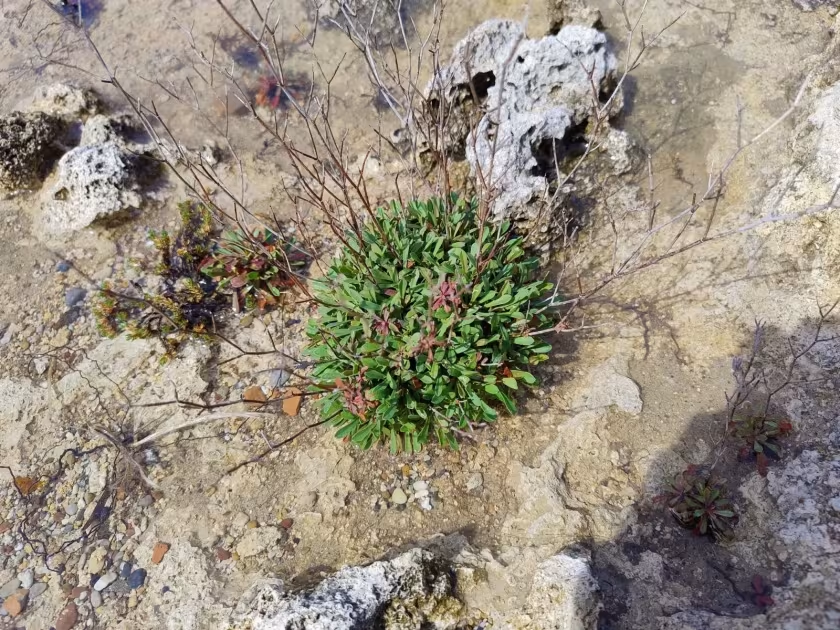
Description
Sowing dates
Sowing of Limonium virgatum is best initiated in late winter or early spring using seed trays. The seeds are resilient and often benefit from a brief period of cold stratification to ensure uniform germination rates.
Use a well-draining, sterile seed-starting mix. Scatter seeds lightly on the surface and cover with a very thin layer of vermiculite, as light can aid the germination process for this specific species.
Maintain consistent temperatures around 20 degrees Celsius. Keep the substrate lightly moist but never waterlogged; once the seedlings have developed their first set of true leaves, they should be transplanted into individual pots.
Avoid heavy root disturbance during the transplanting process, as the plant develops a deep taproot early on. Hardening off the plants before moving them to their permanent outdoor location is essential to prevent shock.
When planting outdoors, space the plants at least 30 to 40 cm apart. Adequate spacing is crucial to prevent the build-up of moisture and ensure that the plant receives maximum exposure to sunlight throughout the day.
Growing requirements
Limonium virgatum belongs to the Plumbaginaceae family and is highly adapted to coastal and arid environments. It thrives in conditions that would cause many other garden plants to fail, particularly in salty or poor soils.
Full sun is a non-negotiable requirement for this species. Even partial shade will result in spindly, weak growth and a significant reduction in the quantity and vibrancy of the flower spikes.
The soil must have excellent drainage characteristics. If your native soil is heavy clay, it is highly recommended to amend the planting area with sand, grit, or small gravel to improve aeration and prevent root rot.
The plant is not nutrient-demanding and prefers soils with low fertility. Excess organic matter or heavy fertilizer application can result in poor flowering and an increased risk of fungal infection due to excessive foliage growth.
Once established, Limonium virgatum is exceptionally drought-tolerant. Irrigation should only be provided during severe, prolonged dry spells, and even then, it is better to provide deep, infrequent watering rather than light, frequent splashes.
Main diseases and pests
Fungal issues such as root rot and crown rot are the primary threats to the health of Limonium virgatum. These diseases almost exclusively occur in damp, poorly ventilated, or overly humid environments.
To mitigate disease risks, ensure proper air circulation by planting at the recommended density and keeping the base of the plant free of debris and mulch. Always opt for subsurface or drip irrigation to keep the foliage dry.
While the plant is generally hardy, pests such as aphids or spider mites may sporadically attack the soft, emerging flower buds. These pests can distort growth and leave the plant vulnerable to secondary infections.
Integrated pest management, including regular inspection and the use of targeted insecticidal soap or systemic insecticides, is effective if an infestation is detected early. Prevention remains the most efficient control strategy.
Avoiding crop rotation with other Plumbaginaceae species on the same plot helps to prevent the build-up of soil-borne pathogens. Keeping the planting area clean and free of weeds is also critical for long-term health.
Harvesting
Harvesting for drying should be performed when the flowers are fully open and at their peak color intensity. Harvesting too early or too late will negatively impact the quality and durability of the dried product.
Cut the stalks in the mid-morning after any morning dew has evaporated. This timing ensures that the moisture content of the stems is low, which significantly accelerates the drying process and maintains structural integrity.
Hang the harvested bunches upside down in a cool, dark, and well-ventilated location. Avoiding direct light is essential to preserve the pigment and prevent the flowers from bleaching or turning brown during the drying phase.
Dried Limonium virgatum is a highly valued material in the floral industry. It provides a long-lasting, sturdy filler for interior arrangements, wreaths, and mixed bouquets, retaining its color for many months.
In landscaping, it is used for rock gardens and xeriscaping. Its ability to thrive in harsh conditions makes it an excellent choice for stabilizing slopes or adding texture and color to garden areas with limited water access.