
Limonium tremolsii
Limonium tremolsii
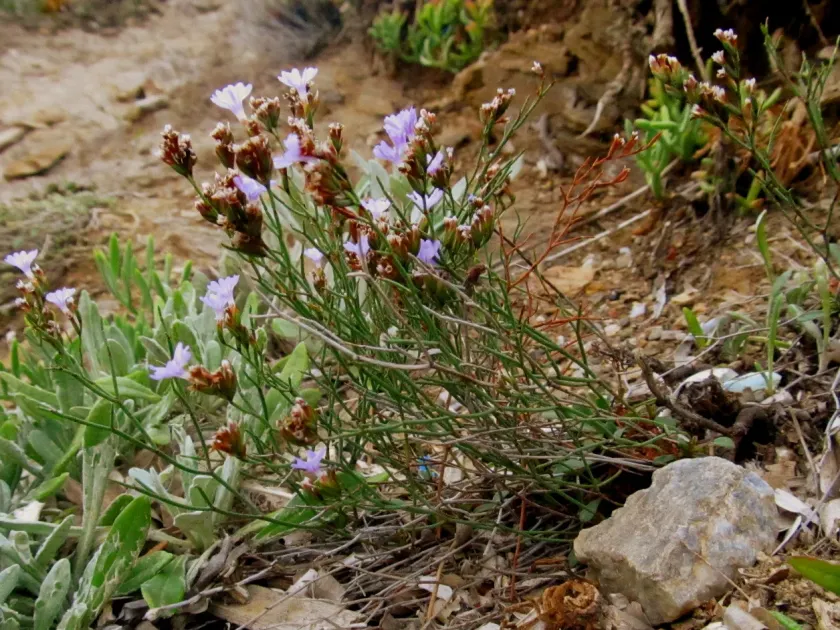
Description
Sowing dates
The propagation of Limonium tremolsii is best achieved through seed sowing in a controlled environment to ensure high germination rates. Seeds should be sown in late winter or early spring using a well-draining, lightweight potting mix.
Due to the hard seed coat, stratification or soaking the seeds prior to sowing can significantly improve success. Keep the seed trays in a warm location, ideally between 18 and 20 degrees Celsius, until seedlings emerge.
Prick out the young seedlings into individual pots once the first true leaves appear, taking extreme care not to damage the taproot, which is fragile during the early stages of growth.
Transplanting into the garden should occur only after the danger of frost has passed. Select an area with full sun exposure, as Limonium tremolsii thrives in high light conditions and will stretch if placed in shade.
Space the plants approximately 30 to 40 centimeters apart to allow for proper air circulation, which is vital for preventing moisture-related issues as the plants mature.
Growing requirements
Limonium tremolsii belongs to the Plumbaginaceae family and is recognized as a hardy, drought-tolerant species native to Mediterranean coastal habitats. It is naturally adapted to challenging environments.
The plant requires sandy or loamy soil with excellent drainage. It is highly intolerant of heavy, waterlogged soils, which quickly lead to root rot and loss of plant vigor throughout the growing season.
This species is well-suited for xeriscaping, requiring little supplemental water once established. Its ability to withstand dry, hot conditions makes it an excellent choice for low-maintenance garden designs.
Neutral to slightly alkaline soil pH is optimal for development. While the plant can tolerate nutrient-poor soils, it benefits from occasional applications of balanced mineral fertilizers during the spring growth phase.
Full sun is essential for the plant to produce its characteristic, dense inflorescences. Adequate ventilation around the base of the plant is also a critical requirement for long-term health.
Main diseases and pests
Root rot is the most common threat to Limonium tremolsii, typically caused by excess moisture or poor soil drainage. Ensuring a dry environment for the root system is the most effective preventative measure.
Powdery mildew can occur if the humidity around the foliage remains too high and air circulation is insufficient. If identified early, the use of appropriate fungicides can effectively manage the disease.
Pests such as aphids and spider mites can attack the plants, particularly during hot and dry spells. Monitoring the underside of leaves for early signs of infestation is recommended for effective pest management.
Integrated pest management strategies, including the use of targeted biological controls or systemic insecticides, should be implemented if damage reaches an economic threshold.
- Consistent soil moisture management.
- Selection of high-quality, free-draining soil.
- Removing debris to prevent fungal growth.
- Regular field monitoring for pest activity.
Harvesting
The primary commercial use of Limonium tremolsii is for the production of high-quality dried flowers. Harvest the inflorescences when the flowers are fully open and vibrant in color to ensure the best results.
Cut the stems during the morning, after the dew has evaporated but before the heat of the day. This timing ensures the flowers retain their structural integrity and color intensity after the drying process.
Drying should be performed by hanging the stems upside down in a dark, dry, and well-ventilated location. Avoiding direct sunlight during this phase is crucial to prevent the fading of the pigments.
Properly dried stems are extremely durable, making them ideal for long-term use in floral arrangements and crafts. They maintain their form and color for months, providing high value to florists.
In landscaping, the plant serves as a beautiful accent in rock gardens or sunny borders, providing a refined, airy aesthetic that complements many other dry-climate plants.