
Limonium tomentellum
Limonium tomentellum
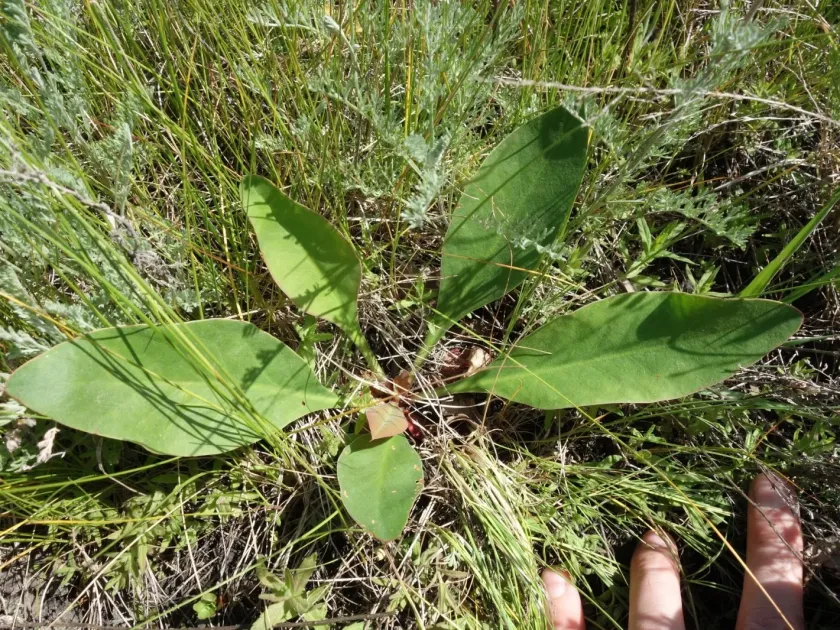
Description
Sowing dates
Sowing Limonium tomentellum seeds is best performed in early spring once soil temperatures reach a consistent 12 degrees Celsius. Starting seeds in a nursery setup is often preferred to ensure a higher germination rate and more vigorous seedling growth.
Seeds should be covered with only a thin layer of light substrate, approximately 0.5 to 1 centimeter deep. Maintaining a stable moisture level in the topsoil is crucial during the initial stages of germination until the plants develop their true leaves.
Growth is relatively slow in the early stages, requiring diligent weeding and soil surface management to prevent competition. Creating a weed-free zone around the seedlings is vital for their long-term establishment.
Planting density should be managed to ensure adequate airflow, typically spacing individual plants 30 to 40 centimeters apart. This spacing reduces humidity levels around the foliage, which is beneficial for overall plant health.
Direct seeding in the field is possible in warmer regions, but gardeners must ensure the soil is well-prepared. Transplanting established plants is generally avoided due to their deep taproot system, which can be easily damaged.
Growing requirements
Limonium tomentellum is a member of the Plumbaginaceae family and is highly adapted to saline environments. It is naturally equipped to handle harsh conditions, making it an excellent candidate for xeriscaping and sustainable gardening.
This species demands full sun exposure throughout the entire day. Any deficiency in light will negatively impact the plant's structural integrity, leading to elongated stems and a reduction in the vibrancy of the inflorescences.
Well-draining, sandy soils are ideal for cultivating this plant. It is exceptionally sensitive to waterlogged conditions, which can lead to rapid decay of the root system and eventual plant loss.
Once established, the plant exhibits remarkable drought tolerance due to its deep-reaching taproot. Supplemental irrigation is generally unnecessary unless during prolonged periods of extreme heat and drought.
Fertilization should be kept to a minimum as excessive nitrogen application can lead to lush but weak foliage, reducing the plant's natural resistance to environmental stress and diminishing its flowering capacity.
Main diseases and pests
The primary threats to the cultivation of Limonium tomentellum are fungal diseases triggered by excessive soil or air moisture. Powdery mildew is a common concern during humid spells, appearing as white patches on leaves.
Root rot often occurs if the soil drainage is inadequate. Prevention is primarily achieved through site selection, ensuring the planting area is elevated or well-draining enough to shed excess water quickly.
Pests such as aphids can occasionally colonize flower stalks during the budding phase. Regular monitoring and the application of insecticidal soap or biological control methods are effective in managing pest populations.
Soil-dwelling larvae can sometimes damage the crown area of the plant, especially in younger specimens. Proper soil preparation and crop rotation practices help in mitigating the incidence of such soil-borne issues.
Early identification of diseased tissue is vital for maintaining the health of the entire patch. Affected leaves or stems should be carefully removed and destroyed to inhibit the spread of fungal spores.
Harvesting
Harvesting for dried floral arrangements should occur when the majority of flowers in the inflorescence are fully open. Choosing a dry, sunny day for harvest is essential to ensure the longevity of the dried product.
Drying must be conducted in a dark, well-ventilated room to preserve the natural pigments of the bracts. Direct exposure to sunlight during the drying process causes color fading and degrades the overall quality.
Bunches should be tied and hung upside down to maintain the shape of the flower stalks as they dehydrate. This gravity-assisted drying method prevents the stems from drooping or bending unnaturally.
The harvest timing is critical; flowers should not be overly mature before cutting, as they may shatter or lose petals once dry. Monitoring the color intensity helps in selecting the optimal cutting time.
Once properly cured, the dried stalks become quite sturdy and retain their aesthetic appeal for several years. This makes them a highly valued commodity in the professional dried flower industry.