
Limonium tarcoense
Limonium tarcoense
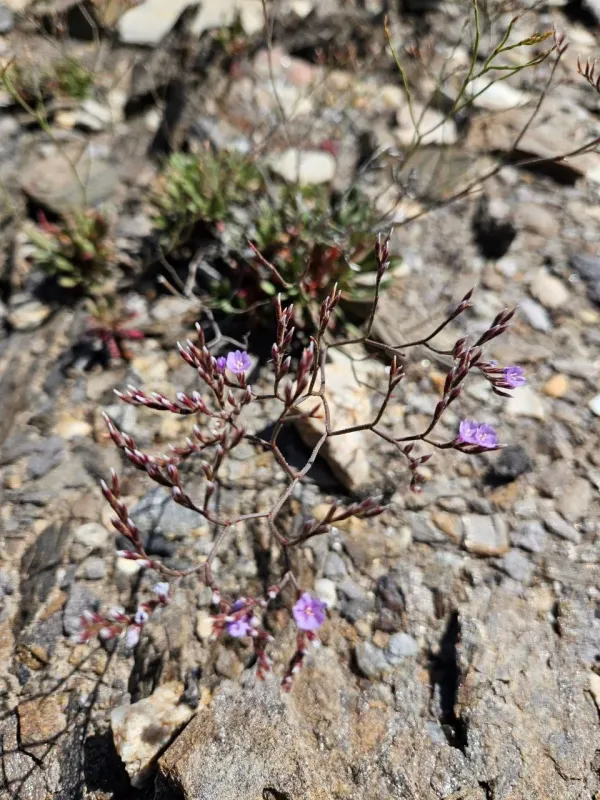
Description
Sowing dates
Sowing Limonium tarcoense requires precision to ensure healthy development, typically starting indoors in early spring. The seeds should be sown in lightweight, well-draining soil mixes to prevent moisture-related rot during the sensitive germination phase.
Temperature control is vital; maintaining a range of 20–22°C promotes uniform germination. Once seedlings reach the stage of having two true leaves, they should be gradually acclimated to lower temperatures before being moved to their final planting location.
Transplanting is a critical step, as the species possesses a deep taproot that is highly sensitive to disturbance. Using biodegradable pots is highly recommended to minimize root stress and ensure successful establishment in the garden environment.
Planting spacing is crucial for airflow, with 30–40 cm recommended between individual plants. Proper spacing not only aids in disease prevention but also allows for sufficient nutrient uptake from the soil, supporting the plant’s overall robustness.
Outdoor direct sowing is possible after the risk of frost has passed. Seeds should be buried shallowly, not exceeding 0.5 cm, and kept moist until germination is complete. Covering the area with thin fleece can help stabilize the environment for emerging seedlings.
Growing requirements
Limonium tarcoense thrives in full sun, requiring exposure to direct light throughout the day. It is an excellent choice for open areas where high-intensity sunlight is constant, which helps in developing its characteristic sturdy flower stalks.
The species prefers light, sandy, or loamy soil types that offer superior drainage. It is particularly well-adapted to saline soil conditions, reflecting its ecological origin, which makes it a unique candidate for challenging landscapes with high mineral content.
Watering requirements are low, as the plant is highly drought-tolerant. Excessive moisture is detrimental, and gardeners should focus on providing water only during prolonged dry spells, ensuring the root zone does not become waterlogged.
Climate preferences lean towards regions with warm, dry summers and low humidity. High atmospheric moisture levels can hinder flower quality and increase the risk of fungal infections, particularly on the foliage and the dense clusters of flowers.
Fertilization needs are minimal for this species. Over-fertilization, especially with high nitrogen concentrations, can stimulate excessive vegetative growth at the expense of floral production. A balanced, low-dose mineral fertilizer is sufficient for the early stages.
Yield
Productivity for Limonium tarcoense is measured by the number and quality of floral stems harvested for decorative or floriculture purposes. A healthy, mature plant can produce multiple sturdy stalks per season if conditions are optimized.
Peak yield is influenced by the intensity of light and the adequacy of soil drainage. Plants grown in optimal conditions produce longer, more vibrant flower spikes that command a higher value in the floriculture market for dried arrangements.
Regular maintenance, including the removal of faded blooms, effectively extends the flowering window, allowing for successive harvesting rounds throughout the summer months. This practice is essential for maximizing the seasonal yield per plant.
Commercial production yield depends on planting density and site selection. While the plant is low-maintenance, a systematic approach to weeding and occasional monitoring for pests ensures that the maximum potential output is achieved without major losses.
Dried flower yield is a significant aspect of the plant's economic value. Because the flower structures are durable and retain their color well, a large portion of the harvest is suitable for long-term commercial storage as high-quality dried decorative material.
Main diseases and pests
Fungal diseases are the primary threat, often resulting from poor site drainage or excessively wet weather. Conditions like root rot and crown rot can kill the plant quickly, making site selection and soil preparation the most important defensive measures.
Powdery mildew may occur if air circulation is restricted around the foliage. This condition is usually manageable through pruning and ensuring that the planting density allows the wind to dry the leaves quickly after rainfall or irrigation.
Pests like aphids and spider mites can attack the succulent foliage during hot, dry weather. Regular inspections are necessary to detect early signs of infestation, with targeted, environmentally friendly insecticides serving as the primary control method.
Nematodes represent a hidden but significant risk to the plant's root system, often leading to reduced vigor or premature wilting. Preventive measures include crop rotation and avoiding sites where known nematode populations have previously affected crops.
Slugs and snails may consume tender young growth, particularly in spring. Using physical barriers, such as copper tape or coarse sand around the base of the plant, can provide effective, non-toxic protection for the developing seedlings.
Harvesting
The optimal harvest time occurs when approximately 80% of the flowers on the spike are fully opened. Collecting stems at this stage ensures the best structural integrity and color retention during the drying process, preventing shedding later on.
Harvesting should be done using sharp, sanitized cutting tools to ensure clean incisions that heal quickly, preventing infection points on the plant. Morning harvest is preferred once the dew has evaporated but before the heat of the day peaks.
Drying is performed by hanging the stems in bundles in a dark, well-ventilated space. Protection from direct sunlight is crucial to prevent the degradation of natural pigments, which keeps the colors vivid even after the plant material is dried.
The drying process generally takes 7 to 14 days, resulting in a crisp, paper-like texture characteristic of the species. This final state indicates that the product is ready to be moved into climate-controlled storage for future use.
Storage should prioritize keeping the dried stems away from humidity and direct light. When stored in sealed boxes or dry environments, the decorative quality and structural strength of the flower spikes can be maintained for years.