
Limonium suffruticosum
Limonium suffruticosum
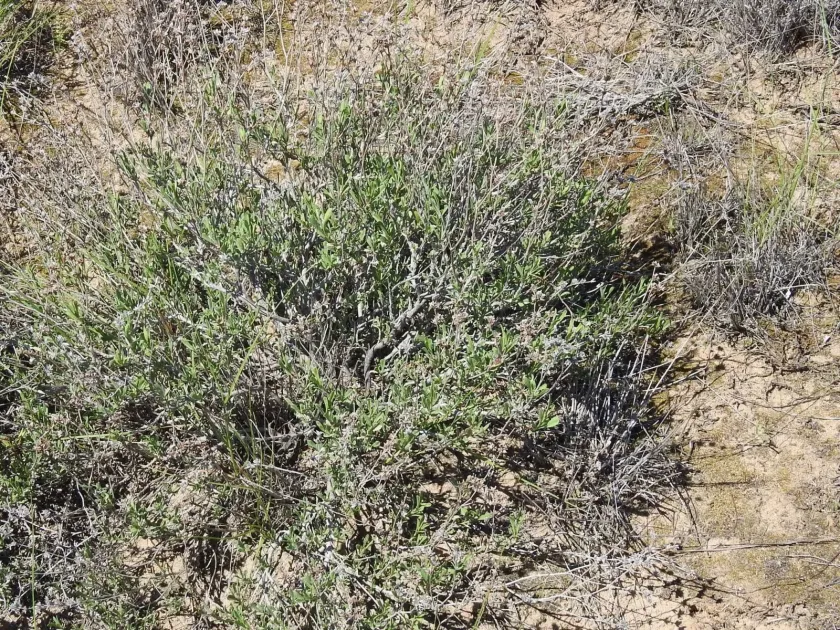
Description
Sowing dates
The cultivation of Limonium suffruticosum is typically initiated via seedling production to ensure uniform plant development. Seeds are sown into a well-draining, nutrient-rich growing medium in late winter, approximately 8 to 10 weeks before the last expected frost.
For direct seeding in the field, it is crucial to wait until soil temperatures consistently reach 18–20 degrees Celsius. The soil should be finely prepared, as the small seeds require close contact with the substrate to maximize germination success.
Seeds should be buried shallowly, no deeper than 0.5 centimeters, because they are somewhat light-sensitive during the germination process. Maintaining high humidity without saturating the soil is essential during the initial weeks of seedling growth.
Once seedlings have developed several sets of true leaves, they should be thinned or transplanted to provide sufficient space for root system expansion. Proper spacing is critical to ensure adequate air circulation and prevent early-stage damping-off issues.
Selection of high-quality, stored seeds is recommended over freshly harvested ones, as this often improves the uniformity and speed of germination. Careful monitoring during the nursery stage ensures strong plants capable of surviving transplantation.
Growing requirements
Limonium suffruticosum is a member of the Plumbaginaceae family and is highly adapted to arid, harsh conditions. It thrives in light, porous soils such as sandy or rocky substrates, where other plants might struggle due to limited resources.
Full sun exposure is an absolute requirement for this species; it needs at least 6 to 8 hours of direct sunlight daily to maintain its vigor. Lack of light causes elongated, weak stems and significantly reduces the plant's ability to produce flowers.
This crop is notably salt-tolerant, making it an excellent choice for planting in saline soils that are otherwise unsuitable for traditional agriculture. Its robust nature allows it to serve as a reclamation plant for difficult landscapes.
Water management is vital, as this plant is prone to root rot when exposed to excessive soil moisture or poor drainage. Irrigation should be applied only when the upper layers of the soil have completely dried out, following a xerophytic approach.
Maintenance involves routine weeding of the surrounding area to reduce resource competition. Minimal fertilization is usually sufficient, as excessive nitrogen often promotes excessive vegetative growth at the expense of flower production.
Yield
The economic value of Limonium suffruticosum is primarily derived from its high-quality inflorescences, which are highly prized in the floral industry as everlasting or dry flowers. The yield is quantified by the number of marketable flowering stems harvested per unit of land.
In well-managed commercial plantations, high yields of durable stems can be achieved annually. The consistency of color and the structural integrity of the flowers are the primary quality indicators for professional florists and wholesale distributors.
Implementing modern drip irrigation systems helps stabilize yields and improve the uniformity of flower production throughout the season. This technology is particularly beneficial in hot, dry climates where moisture stress might otherwise limit plant potential.
Proper harvesting timing is essential for maximizing yield and quality. Flowers must be cut at their peak maturity to ensure they retain their color and shape during the drying process, preventing premature shattering or discoloration.
Storage management is the final step in yield processing, requiring cool, dark, and well-ventilated areas. Maintaining these conditions ensures that the product remains in prime condition for an extended shelf life, significantly increasing profitability.
Main diseases and pests
Fungal pathogens are the most significant threats to Limonium suffruticosum, particularly powdery mildew and various types of root rot. These diseases thrive in environments with poor air circulation, high humidity, or waterlogged soils.
Pests such as aphids and various lepidopteran larvae can cause significant damage to foliage and developing flower buds. These pests not only reduce the aesthetic quality of the crop but can also stunt overall plant growth.
Effective management strategies include maintaining good cultural hygiene by removing dead plant debris and ensuring proper spacing between plants. Early detection through regular field inspections is vital for preventing the rapid spread of infestations.
When chemical intervention is necessary, it should be done selectively and according to label instructions to minimize environmental impact. Biological control methods are becoming increasingly popular to keep pest populations at manageable levels.
Enhancing soil drainage is the most effective preventative measure against root-related diseases. By keeping the root zone aerated and avoiding over-irrigation, the plant’s natural resistance to infections is significantly bolstered.
Harvesting
Harvesting is performed during the height of the flowering period, selecting stems that are fully developed. Using clean, sharp tools is essential to minimize wounding the plant, which helps facilitate faster regrowth after the harvest.
After cutting, flowers should be bundled and hung upside down in a dark, dry location. This method ensures that the stems dry straight and that the natural pigments remain vibrant, as exposure to direct sunlight causes significant color loss.
Quality control during the harvest process involves grading stems based on length, color density, and freedom from blemishes. Only the highest quality material should be selected for the premium floral market to ensure buyer satisfaction.
Once dried, the bunches should be handled with care to prevent breakage, as the stems become relatively fragile when dehydrated. Proper protective packaging is necessary to prevent structural damage to the delicate inflorescences during transit.
Strategic timing and post-harvest handling are the pillars of a successful flower production enterprise. By adhering to these professional standards, producers can ensure their product remains highly competitive and sought after by floral designers.