
Strict limonium
Limonium strictissimum
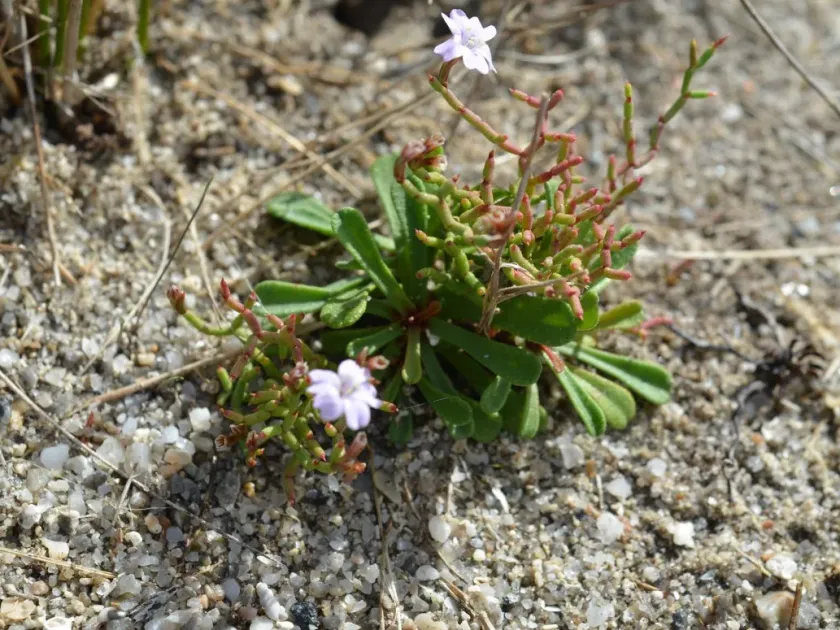
Description
Growing requirements
Strict limonium (Limonium strictissimum) is a perennial herbaceous plant belonging to the Plumbaginaceae family. It is a specialized halophyte native to restricted coastal areas in the Mediterranean region, adapted to high salinity environments.
Botanically, the plant features a rigid, compact structure with leathery, salt-tolerant foliage. It produces dense inflorescences that are highly valued in horticultural applications, particularly for decorative purposes and as dried flower material.
Requirements for cultivation include extremely well-drained, porous soils. The species thrives in sandy or rocky substrates where water retention is low, mirroring its natural habitat of limestone cliffs and salt marshes.
Full sun exposure is a non-negotiable requirement for this species. Any shade during the growing season will significantly reduce the vigor, floral display, and overall health of the plant, often leading to decline.
The climate must be tempered; the species is sensitive to harsh frosts and high humidity levels. In agricultural settings, it requires climate-controlled environments or specific greenhouse conditions to maintain the appropriate mineral balance and temperature ranges.
Main diseases and pests
The primary threats to Limonium strictissimum are fungal pathogens, specifically Rhizoctonia and Pythium species, which thrive in waterlogged conditions. Strict control of soil moisture is essential to prevent root zone collapse.
Insect pests, notably spider mites and aphids, can infest the foliage, particularly when the plant is stressed by poor ventilation or low humidity. Integrated pest management should prioritize cultural controls before chemical intervention.
Mechanical injury during transplanting or pruning provides entry points for opportunistic bacteria, leading to tissue necrosis. All cultivation tools must be sterilized to prevent the spread of infections between individual plants.
Nutritional imbalances caused by over-fertilization can weaken the plant's natural resistance, making it more susceptible to environmental stress. It is recommended to use specialized, low-nitrogen fertilizers appropriate for halophytic species.
Vigilance against moisture accumulation within the leaf rosettes is critical. Regular monitoring and proper plant spacing ensure adequate airflow, which is the most effective preventative measure against widespread fungal outbreaks.