
Statice
Limonium sinuatum (L.) Mill.
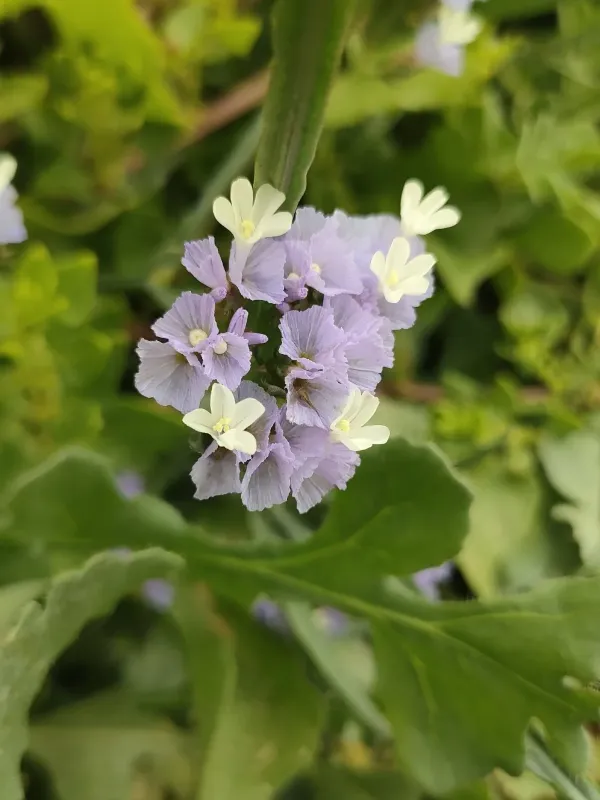
Description
Sowing dates
Seeds of Limonium sinuatum should be sown indoors in late February or early March. Due to the plant's sensitive taproot, use individual peat pots to ensure minimal root disturbance.
Germination typically occurs within 10 to 14 days at a temperature of around 20 degrees Celsius. Seedlings require bright light to prevent them from becoming leggy.
Transplanting into the garden must only occur after the risk of frost has completely passed. In most climates, this falls in late May or early June.
When direct sowing is possible in warmer regions, ensure the soil is well-prepared and weed-free. However, indoor starting is superior for consistent and early yields.
Maintain a spacing of 30 to 40 centimeters between plants to allow for proper airflow and root development during the active growing season.
Growing requirements
Statice belongs to the Plumbaginaceae family. This plant is a sun-loving species that requires full sun exposure to reach its maximum aesthetic potential.
The ideal soil is sandy or loamy, well-drained, and slightly alkaline. It does not tolerate waterlogged conditions, which often lead to root and crown rot.
As a Mediterranean native, it exhibits significant drought tolerance. While it can survive dry spells, supplemental irrigation is necessary for commercial flower quality.
Avoid over-fertilizing, especially with nitrogen. Excessive nitrogen leads to vegetative growth rather than the desired abundance of long-lasting inflorescences.
Good soil aeration is critical. Regular cultivation between rows helps prevent soil compaction and ensures that the root system remains healthy.
Main diseases and pests
The primary threats include fungal diseases like Botrytis (gray mold) and powdery mildew, which thrive in humid or stagnant air environments.
Aphids and spider mites are the most common pests. Regular monitoring of the foliage and flower stems is necessary to control infestations early.
Prevention relies on spacing plants adequately and ensuring excellent ventilation. These practices reduce the micro-humidity that fosters pathogen growth.
If outbreaks occur, use targeted fungicides and insecticides. Integrated Pest Management (IPM) practices are highly recommended for sustainable flower production.
Keep the planting area free of debris and weeds to minimize the risk of secondary infections and pest harboring throughout the development cycle.
Harvesting
Harvest the stems once the tiny individual flowers are fully open and have attained their peak, vibrant color intensity for the best visual appeal.
Cut stems in the early morning after the dew has evaporated but before the heat of the day reaches its peak to preserve water content in the tissues.
To dry the flowers, hang them in small, loose bunches upside down in a dark, well-ventilated, and dry area for approximately two weeks.
Limonium sinuatum is highly prized in the floral industry for its ability to maintain its structure and color for a long period after drying.
Ensure the drying environment remains cool and away from direct sunlight, which could cause the vivid colors of the calyces to fade prematurely.