
Caspian statice
Limonium bellidifolium x Limonium gerberi
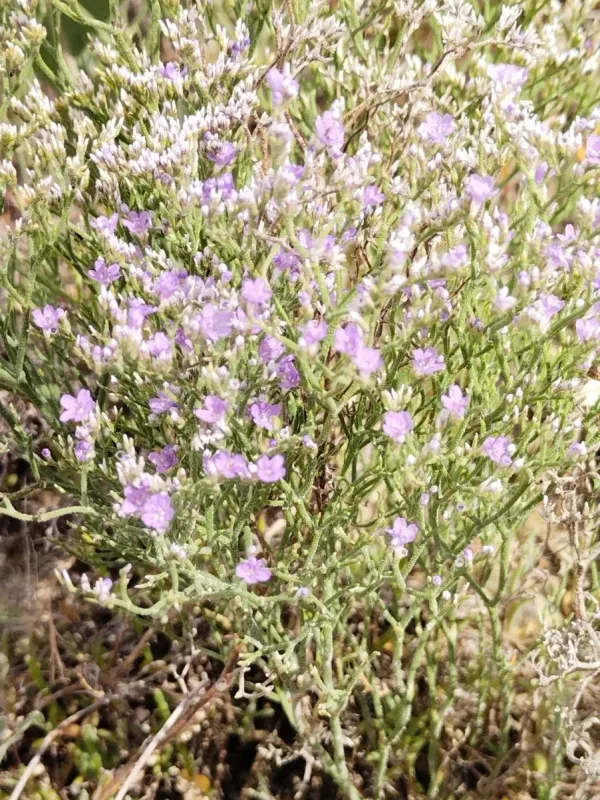
Description
Sowing dates
Cultivation of Caspian statice generally begins with seed sowing in containers or professional trays. This method ensures uniform germination and protects the fragile seedlings from weed competition in the early stages of development.
Seeds should be sown in late winter or early spring, typically around February or March. They require light to germinate, so they should be surface-sown or only very lightly covered with a fine layer of growing medium.
Transplanting into the field occurs after the danger of late frost has passed, usually in late May. Hardening off the seedlings for a week prior to planting is essential to ensure they adapt successfully to outdoor conditions.
Plants should be spaced approximately 30 to 40 centimeters apart. Proper spacing is crucial to prevent moisture buildup around the base of the plant, which is critical for the health of this species.
Professional growers often use large-cell plug trays to promote a robust root system. A strong root system at planting time directly correlates with the plant's ability to establish quickly and withstand heat later in the season.
Growing requirements
Caspian statice belongs to the Plumbaginaceae family and is naturally adapted to saline and poor soils. It is highly valued for its exceptional drought tolerance and ability to thrive in challenging environments.
Full sun is an absolute requirement for this plant. Insufficient light levels will lead to weak, elongated stems and sparse flower production, significantly reducing the crop's quality for the floral market.
The soil must be well-draining, preferably sandy or loamy. Because the plant is native to coastal and saline habitats, it cannot tolerate heavy, waterlogged soils which lead to root rot and premature plant decline.
While the plant is hardy, it benefits from moderate fertilization with a balanced, low-nitrogen formula during the active growth phase. Excess nitrogen promotes lush leaf growth at the expense of flower production.
Irrigation should be applied sparingly. Once established, Caspian statice is extremely efficient at utilizing soil moisture. Overwatering is the most common mistake in its cultivation and should be strictly avoided.
Yield
The yield of Caspian statice is measured by the number of high-quality, fully branched stems suitable for floristry. A healthy, mature plant can produce up to 20 stems during a single growing season.
Productivity typically peaks in the second and third years of the plant's life cycle. During this period, the plant develops a larger crown, allowing for a more significant number of flower stalks to be harvested.
Consistent harvesting of spent or mature stems can encourage the plant to continue producing secondary inflorescences. This practice extends the harvest window and maximizes the total production per square meter.
High-quality yield requires precise timing of the harvest. Stems must be cut when the florets are fully open but before they begin to fade or drop, ensuring they maintain their structural integrity after drying.
Crop rotation is recommended every four years to maintain high yield levels and prevent the buildup of soil-borne pathogens that can reduce the overall health and vigor of the plants.
Main diseases and pests
Root rot is the primary threat to Caspian statice, particularly in regions with high humidity or poor soil drainage. This condition is often irreversible, making prevention through site selection the best control measure.
Powdery mildew can affect the foliage during periods of stagnant air and high humidity. Proper plant spacing and ensuring good airflow are essential cultural practices to minimize the risk of fungal infections.
Pests such as aphids and spider mites can attack the plants, sucking sap and weakening the stalks. Regular scouting is necessary to identify and treat infestations before they impact the harvestable quality of the flowers.
Weed management is critical, especially when plants are young. Weeds compete for resources and can act as hosts for various plant viruses, which are difficult to manage once they infect the crop.
Excessive rain during the flowering period can lead to discolored blooms. If weather conditions are poor, protective structures like low tunnels may be used to preserve the quality of the harvested flowers.
Harvesting
Harvesting is performed by cutting the stems at the base once the majority of the tiny florets have opened. This stage is crucial for ensuring the color intensity is preserved during the drying process.
Flowers should be harvested in the early morning after the dew has evaporated but before the heat of the day reaches its peak to ensure the plant's tissues are hydrated and firm.
After cutting, the stems should be bundled and hung upside down in a dark, dry, and well-ventilated location. This technique prevents the stems from drooping and keeps the inflorescences in an upright, attractive shape.
Direct sunlight during the drying process must be avoided, as UV light will cause the pigments in the flowers to bleach rapidly, resulting in a loss of their vivid, commercial appeal.
Once fully dried, the flowers are long-lasting and require no special care other than storage in a dry environment. They maintain their flexibility and color for months if kept free from dust and moisture.