
Limonium gerberi
Limonium gerberi Soldano
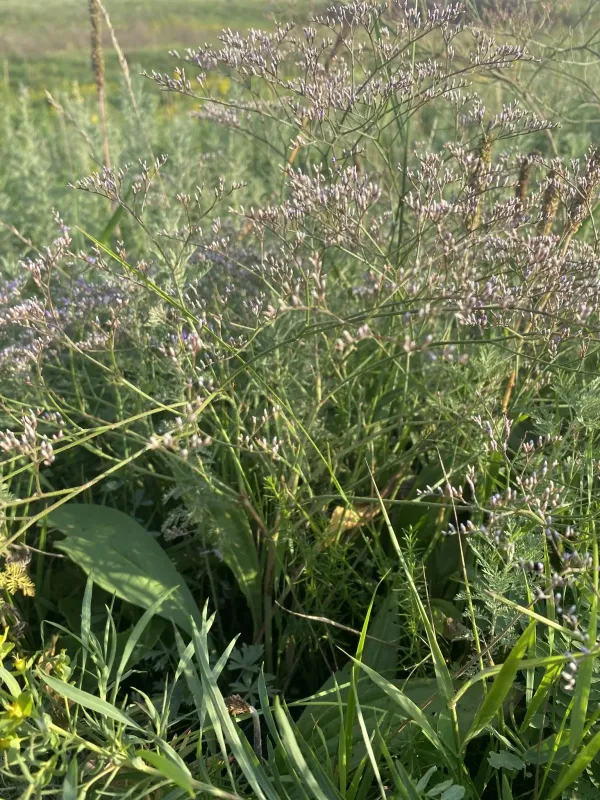
Description
Sowing dates
The sowing of Limonium gerberi is typically initiated in late winter or early spring to ensure robust seedling development. Due to the species' sensitivity to root disturbance, the use of peat pots or biodegradable cells is highly recommended for starting the crop.
Transplanting seedlings into the field should occur only after the risk of frost has completely passed. Limonium is a heat-loving plant, and the soil must be adequately warmed to support rapid root establishment and early vegetative growth.
Seed germination can be enhanced by brief stratification or pre-soaking seeds in growth-promoting substances. Maintaining a stable germination temperature of 20–22 degrees Celsius is essential for achieving a high uniformity in seedling stands.
Planting density should be carefully managed to ensure sufficient airflow between individual plants. High humidity trapped within dense foliage can quickly lead to fungal outbreaks, so spacing is a critical component of the initial planting plan.
The growing medium must be well-sterilized and offer excellent aeration. Surface sowing, combined with a light dusting of vermiculite, provides the best environment for the delicate seeds to sprout effectively without risk of suffocation.
Growing requirements
Limonium gerberi, a member of the Plumbaginaceae family, thrives in full sun exposure. It requires bright, open conditions to maximize floral density and stem strength, as shade often results in weaker, leggy plants.
The species is remarkably drought-tolerant once established, making it a sustainable choice for regions with limited water resources. It performs best in light, sandy, or well-drained soils with a neutral to slightly alkaline pH.
Poor drainage is the primary cause of crop failure in Limonium production. The root system is highly susceptible to waterlogging, necessitating the selection of raised beds or elevated fields to maintain optimal soil oxygen levels.
Fertilization should be managed conservatively; excessive nitrogen often leads to excessive leaf growth at the expense of floral production. A balanced fertilizer with a higher potassium and phosphorus ratio is ideal for enhancing flower quality.
Climate requirements include a warm, dry summer, which is ideal for both growth and post-harvest drying. Areas with excessive rainfall or humidity during the peak blooming season may require supplemental measures to protect the flower quality.
Yield
The economic value of Limonium gerberi lies in the production of high-quality floral stems suitable for both fresh and dried flower markets. Yield is measured by the number of harvestable, sturdy stems produced per square meter.
With proper agronomic management, each plant can yield dozens of long-lasting inflorescences throughout the season. Regular removal of fading flowers encourages the plant to channel energy into secondary stem production, thus increasing total output.
Harvesting should occur when the majority of florets in the cluster are fully open. Product quality is evaluated based on the vibrancy of the petal color and the integrity of the stem, which determines the final market value of the dried material.
Commercial plantations utilize specific row spacing to facilitate mechanical maintenance and harvest. Consistent plant spacing ensures that all individuals receive equal light, leading to more uniform maturation of the stems across the field.
Properly processed Limonium is a highly profitable crop due to the rising demand for natural, long-lasting floral decorations. Efficient drying techniques allow farmers to hold inventory and sell products during peak market demand.
Main diseases and pests
Fungal diseases are the most significant threat to Limonium plantations, particularly under conditions of poor ventilation or excessive moisture. Root rot can decimate a crop quickly if drainage is not strictly controlled.
Powdery mildew is a common issue affecting foliage during periods of high humidity and fluctuating temperatures. Implementing a preventative fungicide program early in the season is a standard practice to ensure plant health.
Pests such as aphids and spider mites frequently target the succulent parts of the plant. Regular monitoring is essential to detect early infestations and apply appropriate integrated pest management strategies before populations explode.
Nematodes residing in the soil can severely stunt plant growth and reduce overall yield. Utilizing disease-free starter plants and adhering to a strict crop rotation schedule are the primary methods for preventing soil-borne pest buildup.
Maintaining crop hygiene by removing debris and infected plants is vital for long-term field health. Proper spacing and airflow management act as natural deterrents to the spread of both viral and fungal infections within the crop canopy.
Harvesting
Harvesting Limonium gerberi must be done during dry, sunny conditions, preferably in the morning after the dew has evaporated. Stems are cut using sharp, sanitized shears to ensure a clean cut and prevent mechanical damage to the basal rosette.
Following harvest, stems are tied into small bunches, ensuring enough space between stems for air circulation. Proper bundling is critical to prevent moisture buildup and decay during the drying process.
Drying occurs in a shaded, well-ventilated space to ensure the inflorescences retain their natural pigment. Direct sunlight is strictly avoided as it causes bleaching and rapid loss of color quality in the delicate petals.
The drying process typically spans 7 to 14 days, depending on environmental humidity levels. The finished product is identified by a stiff, brittle texture in the stem, indicating that moisture content has been reduced to an optimal level.
Storage should take place in a cool, dark environment to protect the dried flowers from color degradation. Following these professional drying and storage protocols ensures a high-quality product that meets the standards of the international floral industry.