
Limonium bonduellei
Limonium bonduellei (T. Lestib.) Kuntze
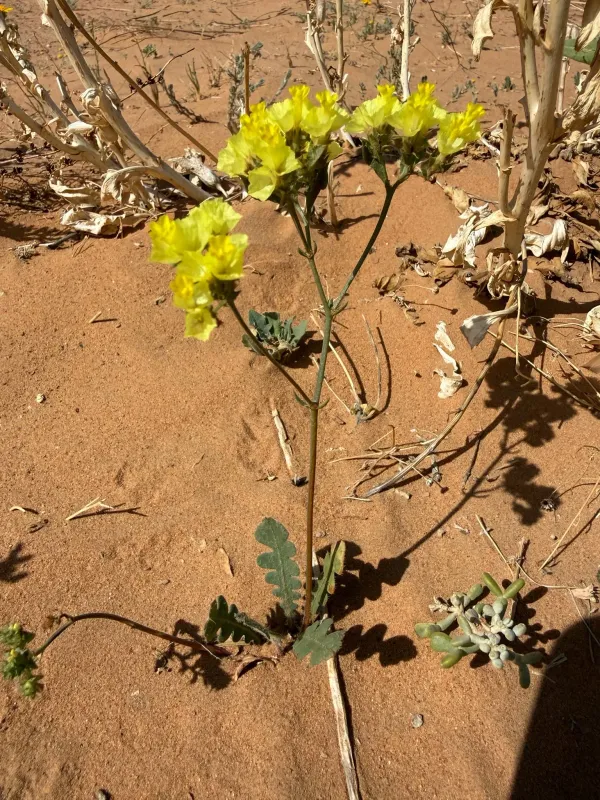
Description
Sowing dates
Propagation of Limonium bonduellei is typically performed via seeds sown in late winter or early spring under greenhouse conditions. The seeds are enclosed in a persistent calyx, so cleaning or light scarification can significantly improve germination rates.
Seeds should be sown in a well-draining, sterile potting mix. Light is essential for successful germination, so the seeds should be only lightly covered with fine vermiculite or soil.
Seedlings are sensitive to root disturbance, therefore using plug trays or individual biodegradable pots is highly recommended to minimize transplant shock during the final planting stage.
Direct outdoor sowing is possible in warmer climates once the risk of frost has passed. Seeds should be spaced to allow for proper airflow, as dense planting invites fungal issues.
Consistent temperatures around 20°C are ideal for the germination phase, followed by a gradual hardening-off process before moving plants to the field.
Growing requirements
Limonium bonduellei is a member of the Plumbaginaceae family, native to North Africa, which explains its high tolerance for arid and semi-arid conditions. It thrives in full sunlight, which is critical for flower color intensity.
The soil must be sandy or loamy with excellent drainage. This crop is extremely susceptible to crown rot and other soil-borne diseases if planted in heavy, water-logged soils.
Water requirements are minimal; once established, the plant is quite drought-tolerant. Excessive moisture during the flowering phase can lead to lower quality stems and increased susceptibility to decay.
Soil pH should ideally be neutral to slightly alkaline. Incorporating a small amount of grit or sand into the planting hole can improve local drainage if the soil is less than ideal.
Fertilization should be balanced but light. High nitrogen levels tend to promote excessive vegetative growth at the expense of the desired floral display, which is the primary economic output.
Main diseases and pests
Fungal pathogens such as Botrytis cinerea are the most significant threat to Limonium bonduellei. These usually occur when humidity is high and air circulation is insufficient within the canopy.
Powdery mildew can manifest as a white dusting on the foliage, especially in climates with high temperature fluctuations. Fungicide applications during high-risk periods can protect the crop.
Pests like aphids and spider mites are common in dry, hot conditions. These insects target the developing flower buds, which can ruin the market value of the stems if left untreated.
Root-knot nematodes can also be a problem if the same land is used for Plumbaginaceae crops repeatedly. Crop rotation is essential to maintain soil health and reduce pest pressure.
Monitoring for any signs of yellowing leaves or stem wilting is crucial, as early detection allows for the removal of infected plants to prevent the spread to the rest of the field.
Harvesting
Harvesting for commercial use should occur when the individual florets are fully open but before they begin to fade. Harvesting too early or too late will negatively affect the longevity of the dried product.
Stems are cut at the base of the plant using sharp, disinfected shears. Cutting in the morning after the dew has evaporated ensures the highest quality and better shelf life for the dried flowers.
Bundles of 10 to 15 stems should be hung upside down in a cool, dark, and well-ventilated area to dry. This method prevents the stems from bending and ensures an even color retention.
Once fully dried, the flowers are highly durable and serve as a staple for dried floral arrangements. Proper storage in a moisture-free environment is necessary to maintain quality.
The yellow inflorescences are particularly prized in the florist trade for their vibrant color, which remains stable for a long duration if protected from direct UV light exposure.