
Wandering sea-lavender
Limonium peregrinum (P. J. Bergius) R. A. Dyer
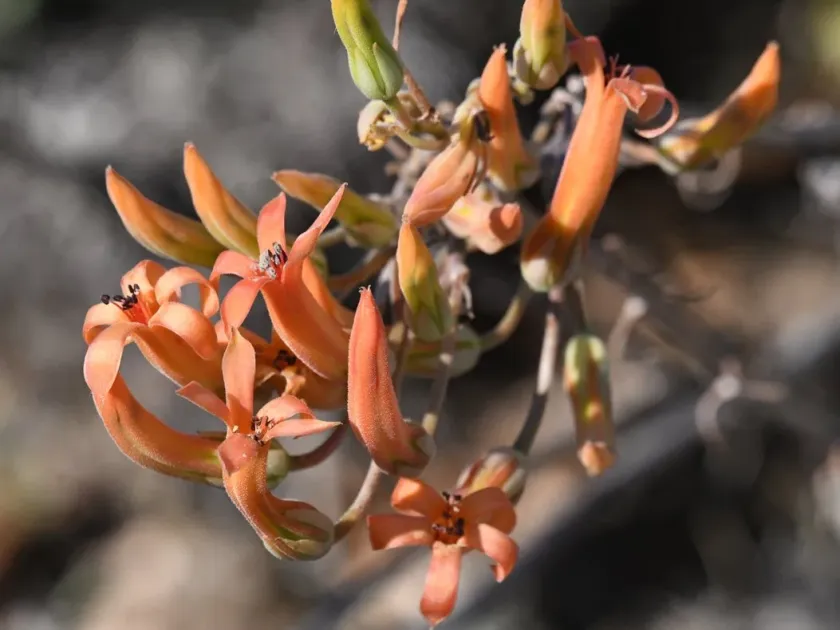
Description
Sowing dates
Wandering sea-lavender is best propagated from seeds started indoors to ensure high germination rates and healthy seedling establishment before transplanting.
Sow seeds in late winter or early spring using a well-draining soil mix. The seeds require light for germination, so cover them only lightly with a thin layer of vermiculite or soil.
Maintain an ambient temperature of approximately 20–22 °C during the germination period, which usually lasts two to three weeks depending on conditions.
Once seedlings develop their first true leaves, prick them out into individual pots. Harden the plants off gradually by exposing them to outdoor conditions over a week before final planting.
Transplant into the garden once the danger of frost has passed, ensuring each plant has enough space—typically 30 to 40 cm between individuals—to thrive.
Growing requirements
Limonium peregrinum belongs to the Plumbaginaceae family and is recognized for its robust nature and adaptation to coastal or sandy environments.
Full sun exposure is a non-negotiable requirement for this species. Without direct sunlight, the stems become weak, and the floral display is significantly compromised.
This plant thrives in sandy, well-draining soils. It is highly sensitive to waterlogged conditions, which can quickly lead to root rot and plant death.
Wandering sea-lavender is exceptionally drought-tolerant once established. It rarely requires supplemental irrigation, making it a low-maintenance choice for dry gardens.
The species exhibits a natural tolerance for saline soils, allowing it to grow in conditions where many other garden plants would struggle to survive.
Main diseases and pests
Excessive moisture is the primary threat to the health of this culture, as it provides the perfect environment for fungal pathogens to proliferate.
Root rot remains the most common issue in poorly drained soils. Gardeners should ensure adequate soil permeability to prevent long-term damage.
Powdery mildew may occur during periods of high humidity combined with fluctuating temperatures, necessitating the use of targeted fungicide treatments.
Aphids and spider mites are potential pests that can affect young shoots and foliage, particularly during dry spells or late in the season.
Regular monitoring and the use of integrated pest management strategies help keep these common threats under control without harming the environment.
Harvesting
Harvesting for dried floral arrangements should take place when the flowers are fully open but before they begin to fade or drop their petals.
To dry properly, gather the stems into small bunches and hang them upside down in a dark, airy location, away from direct sunlight.
Good air circulation is vital during the drying process to prevent rot or fungal growth, which can ruin the quality of the dried blooms.
Once dried, the flowers retain their structure and color for a long period, making them excellent components for various interior decorative projects.
For seed collection, allow the inflorescences to dry naturally on the parent plant until the seed capsules are fully mature and brittle.