
Limonium bellidifolium
Limonium bellidifolium (Gouan) Dumort.
Description
Growing requirements
Limonium bellidifolium, commonly known as the curved-leaved sea lavender, is a perennial herb belonging to the Plumbaginaceae family. This species is naturally adapted to saline environments, including salt marshes and coastal cliffs, displaying remarkable resilience to osmotic stress.
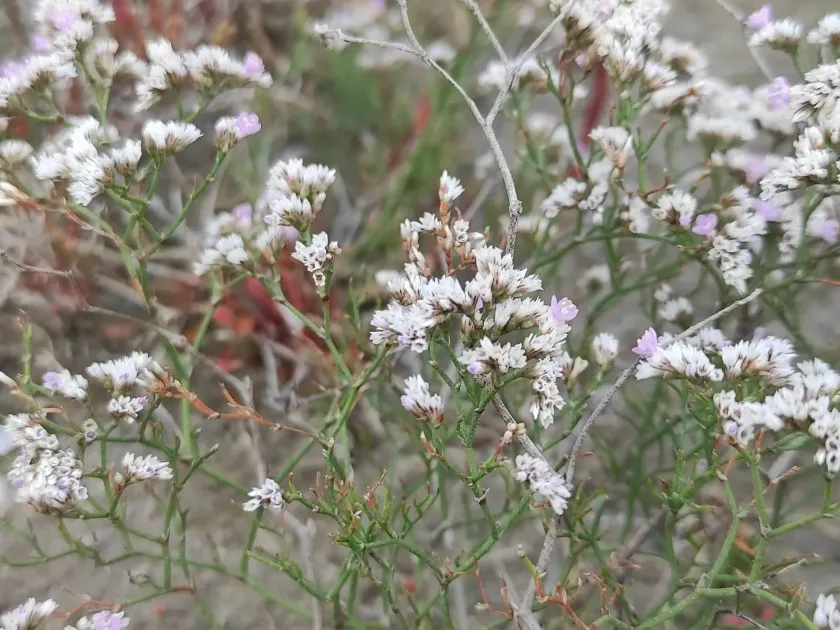
The plant features a basal rosette of leaves and produces airy, paniculate inflorescences. Its flowers, although small, are numerous and possess papery calyces that retain their aesthetic appeal long after the blooming season, making the plant highly valued in horticulture.
This species requires full sun exposure to thrive and maintain its compact, healthy growth form. Insufficient light leads to etiolated stems and significantly reduces the density of the inflorescences, thereby diminishing the overall ornamental value of the specimen.
Soil requirements for Limonium bellidifolium are centered on excellent drainage. It performs optimally in sandy or gravelly soils where moisture does not accumulate. The species is highly intolerant of waterlogged conditions, which invariably lead to crown and root rot.
In terms of climate, the plant is well-adapted to temperate regions with distinct dry seasons. It is known for its drought-tolerant nature, which allows it to persist in arid landscapes where conventional bedding plants would fail due to water scarcity.
Harvesting
The primary horticultural application of this plant is as a professional-grade dried flower. Its delicate branching and papery texture make it a popular filler material in high-end floral arrangements, wreaths, and interior decorations.
Harvesting should occur when the individual florets are fully open but before they begin to fade. Stems are typically cut near the base, bundled, and hung upside down in a dark, dry, and well-ventilated area to ensure the best color retention and prevent mildew development.