
Limonium altaica
Limonium altaica
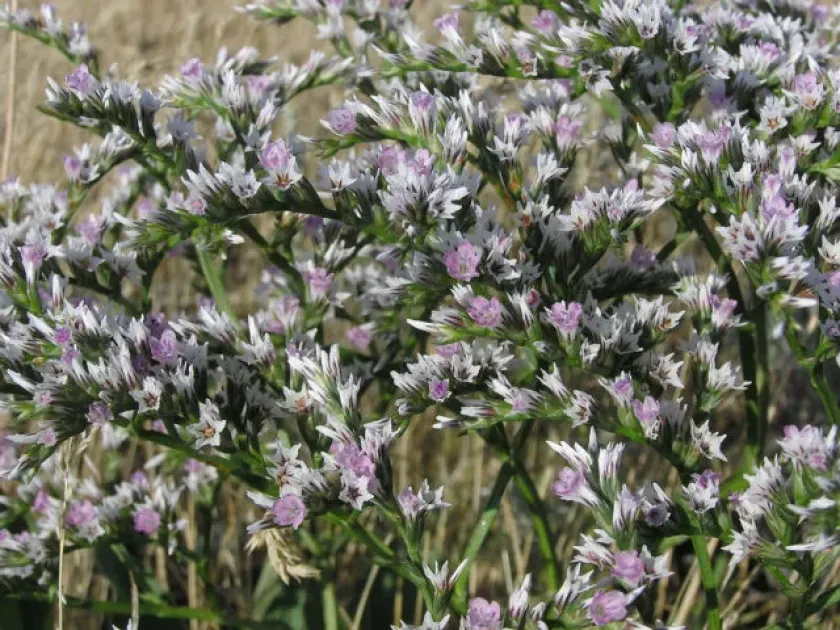
Description
Sowing dates
Sowing Limonium altaica seeds should ideally be conducted in early spring, once the soil temperature reaches 10-12 degrees Celsius. For nursery production, seeds are sown in greenhouses or hotbeds in late March to allow seedlings to strengthen before transplantation.
When sowing directly in the field, it is crucial to ensure the planting depth does not exceed 0.5-1 cm. A recommended spacing of 40x50 cm provides sufficient space for each plant to develop a robust basal rosette of leaves.
Seeds have good germination rates, but stratification is recommended if they have been stored for a long period. Using plastic covers during the initial growth phase significantly accelerates germination and protects sprouts from late night frosts.
It is important to avoid overcrowding the crops, as Limonium altaica is sensitive to poor lighting and aeration. Timely thinning of the plantings helps in producing larger, higher-quality inflorescences.
For industrial cultivation, late-autumn sowing is also practiced. This allows the seeds to utilize the moisture from melting snow, ensuring more uniform germination in the early spring.
Growing requirements
Limonium altaica belongs to the Plumbaginaceae family and is a xerophytic plant well-adapted to the harsh conditions of Central Asia and the Altai mountains. The crop thrives in open, sunny locations with direct sunlight.
The plant succeeds in poor, sandy, or rocky soils, while it strongly dislikes stagnant groundwater and waterlogged conditions. Light loams or lime-rich chernozem soils are considered optimal for its growth.
Limonium is known for its high winter hardiness and its ability to withstand prolonged drought periods due to a well-developed taproot system. It effectively extracts moisture from deep soil layers, even in semi-desert environments.
During cultivation, it is important to maintain a neutral or slightly alkaline soil pH. The application of mineral fertilizers, particularly those rich in phosphorus and potassium, promotes better inflorescence development and enhances environmental stress resistance.
Botanically, the plant features leathery leaves arranged in a basal rosette and upright flower stalks reaching up to 60 cm in height. A distinctive feature is its complex paniculate inflorescence, which remains decorative even after the vegetative phase.
Yield
The yield of Limonium altaica depends heavily on diligent maintenance and soil fertility, as the crop is used in both the pharmaceutical industry and the floral market.
By the third year of cultivation on industrial plantations, it is possible to harvest approximately 1.5-2 tons of dry raw material per hectare. The main products are the roots and the flowering panicles.
Key factors contributing to high yields include weed control and maintaining optimal plant density. Since the plant grows slowly during its first two years, protection against weeds is critical for its survival and productivity.
The plant's biology involves the accumulation of bioactive compounds in the roots after flowering is complete. This necessitates a cyclic exploitation scheme for plantations to maximize the collection of marketable biomass.
After harvesting, thorough cleaning and sorting are necessary to ensure the final product meets the stringent quality standards required by pharmaceutical manufacturers.
Main diseases and pests
Limonium altaica is generally resistant to diseases, but excessive moisture can lead to root rot. To prevent this, it is essential to ensure proper drainage and avoid waterlogging on the field.
Pests, such as aphids or leaf-eating insects, can damage the leaf rosettes. Preventive spraying with systemic insecticides is recommended to control pest populations effectively before they spread.
In cases of poor maintenance, powdery mildew may develop. Timely application of fungicides during the early stages of disease symptoms prevents significant crop loss and maintains the quality of the raw material.
Crop rotation is the most effective tool for preventing the accumulation of pathogens in the soil. It is advised not to replant Limonium on the same site for at least 4-5 years.
Regular weeding and inter-row cultivation not only improve nutrient uptake but also disrupt the overwintering sites of many pests, making the overall agronomic strategy more efficient.
Harvesting
Inflorescences are harvested when they are fully open, as this is the period when they exhibit the most intense color and perfect structure for floristic and decorative uses.
Root harvesting is conducted in late autumn when nutrient storage in the underground parts is at its peak. This ensures the highest quality of medicinal raw material for extraction.
Harvested roots must be carefully cleaned of soil, washed, and dried at temperatures not exceeding 60 degrees Celsius to preserve the plant's beneficial chemical properties.
For floral use, the cut panicles are dried in a dark, well-ventilated area by hanging them upside down. This technique helps preserve the shape and color saturation for several months.
Effective organization of the harvest, combined with the use of ventilated storage containers, ensures the product remains in prime condition for the market.