
Hybrid Statice
Limonium sinense x Limonium sinuatum
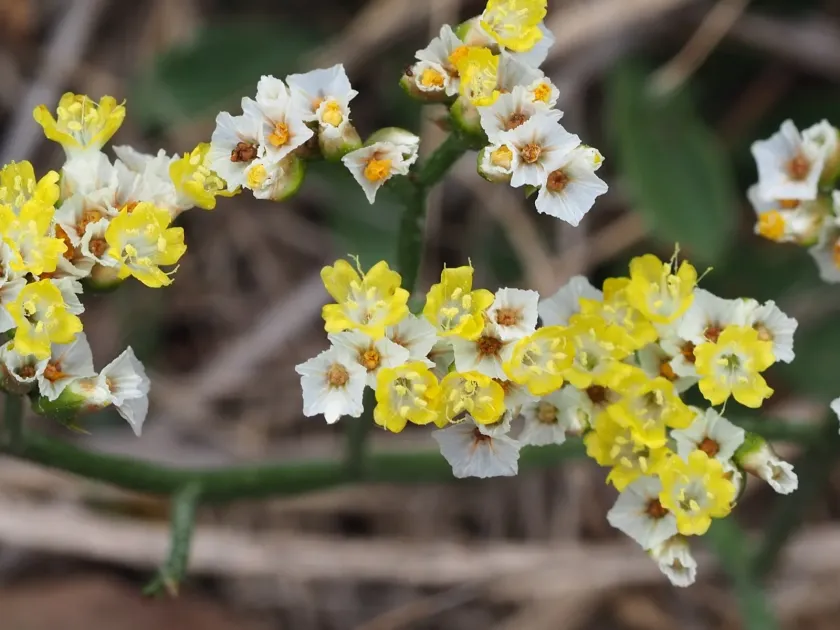
Description
Sowing dates
Sowing Hybrid Statice seeds for seedlings should be performed in late February or early March. This timing ensures that the plants are sufficiently developed for transplanting into the field after the frost threat passes.
In regions with milder climates, direct sowing into the open soil is possible in mid-to-late May. However, the transplanting method is generally preferred for ensuring uniform growth and earlier flowering.
Statice seeds have a tough seed coat, so scarification is recommended before sowing to improve germination rates. Soaking the seeds in growth stimulants for several hours can also yield better results.
Use a well-draining, sterile potting mix for seedling production. Seeds should be sown at a depth of no more than 1 cm, as they require sufficient light to trigger the germination process.
Maintain a stable temperature of around 20–22°C during the germination period. After the first true leaves emerge, gradually acclimate the seedlings to slightly lower temperatures to toughen them up.
Growing requirements
Hybrid Statice belongs to the Plumbaginaceae family and is a sun-loving crop. It requires full, direct sunlight throughout the day to reach its full potential and produce vibrant blooms.
The crop thrives in light, sandy, or well-drained loam soils. Soil must have excellent drainage, as waterlogged conditions are highly detrimental and often lead to root rot in this species.
Statice is exceptionally drought-tolerant once established. Irrigation should be applied moderately, focusing on the root zone while keeping the foliage dry to prevent moisture-related diseases.
For optimal flowering, use a balanced, low-nitrogen mineral fertilizer. Excess nitrogen promotes heavy vegetative growth at the expense of the desired floral stems, which is undesirable for quality production.
Proper spacing between plants is crucial for air circulation. High humidity and poor airflow can lead to fungal issues, so ensure that the planting site has good exposure to natural breezes.
Yield
The productivity of Hybrid Statice is measured by the number of high-quality floral stems produced per plant. Under professional management, a single plant can produce 15 to 25 harvestable stems.
Yield is significantly improved by the regular removal of spent blooms, which encourages the plant to produce secondary flushes of flowers throughout the growing season.
For commercial production, a planting density of 8–10 plants per square meter is recommended. This spacing ensures consistent stem length and floral density, which are critical for market specifications.
Modern hybrids offer excellent uniformity in height and maturation timing. Selecting top-tier cultivars is essential for large-scale operations where harvesting must be completed efficiently.
Maintaining soil fertility through balanced nutrient management throughout the season helps ensure that the final flushes of flowers remain as robust and colorful as the initial ones.
Main diseases and pests
Fusarium wilt is the most significant threat, typically occurring in poorly drained soils with high moisture levels. It causes sudden wilting and permanent plant decline if left untreated.
Gray mold (Botrytis) may affect the inflorescences if high humidity persists. Fungicides are effective, but cultural controls such as improving air circulation are more sustainable preventive measures.
Aphids and spider mites are common pests that target the younger, succulent parts of the plant. Regular monitoring is essential to catch infestations before they cause irreversible damage.
Integrated pest management, including the use of targeted insecticides and biological controls, can effectively suppress pest populations without damaging the plant's delicate blooms.
Crop rotation is mandatory to prevent the buildup of soil-borne pathogens. A minimum three-year interval between plantings of Limonium on the same site is recommended for disease control.
Harvesting
Harvesting is ideally performed when the inflorescences are fully developed and show vibrant color but before the flowers begin to shed. Early morning harvest is best after the dew has evaporated.
Stems should be cut near the base of the rosette to provide the maximum usable length for floral design. The base of the stems should be cleaned of debris before the drying process begins.
Drying must occur in a dark, cool, and well-ventilated area to preserve the natural pigments of the petals. Direct sunlight causes the colors to fade rapidly, ruining the commercial quality.
Once dried, the stems should be firm and the florets securely attached. The product is then ready for storage in a low-humidity environment until it is needed for floral arrangements.
Hybrid Statice remains one of the most durable dried flowers available. Its ability to retain structure and color for extended periods makes it a staple in both professional floristry and home decor.