
Chinese statice
Limonium sinense (Girard) Kuntze
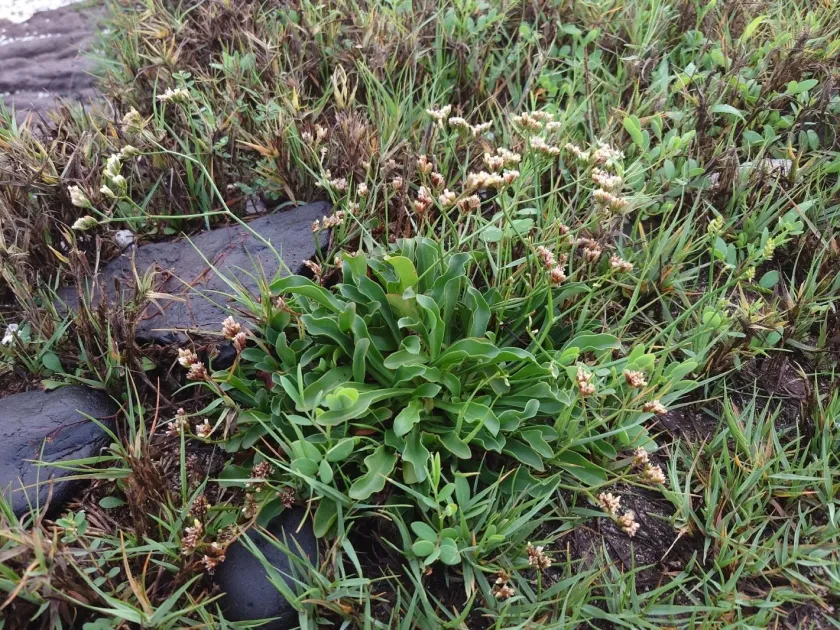
Description
Sowing dates
Chinese statice seeds are typically sown in early spring in greenhouse trays, requiring a light-transmitting growing medium for optimal germination.
The seeds should be sown shallowly as they require exposure to light to initiate the germination process effectively in controlled conditions.
Transplanting the seedlings to the field occurs once the risk of frost has passed, ensuring the soil has warmed up to at least 15 degrees Celsius.
Spacing between plants should be maintained at 30 to 40 centimeters to ensure adequate sunlight penetration and airflow across the entire canopy.
Early-stage development requires careful monitoring of moisture levels to support the establishment of the plant's taproot system before full maturation.
Growing requirements
Belonging to the Plumbaginaceae family, Limonium sinense is a hardy perennial that thrives in arid and semi-saline environments across Asia.
The crop requires full sun exposure for at least six to eight hours a day to produce high-quality, vibrant inflorescences during the flowering season.
Well-drained soil is a non-negotiable requirement, as the plant is highly susceptible to crown and root rot when grown in heavy, waterlogged clay soils.
It demonstrates remarkable drought tolerance once established, making it a sustainable choice for regions with limited irrigation resources.
Low-fertility soils are often preferred, as excessive nitrogen application can lead to lush vegetative growth that inhibits the formation of delicate flowers.
Main diseases and pests
Fungal pathogens such as Botrytis and powdery mildew are the primary threats, particularly in regions experiencing high humidity or frequent rainfall.
Root rot, often caused by poor drainage or overwatering, can rapidly compromise the health of entire plots if soil conditions are not managed correctly.
Pests like aphids and spider mites can infest the foliage, particularly during the hot, dry spells of late summer, necessitating timely intervention.
Integrated pest management strategies are recommended to keep damage below economic thresholds without relying solely on intensive chemical treatments.
Proper field hygiene, including the removal of infected debris and rotation of crops, is essential to reduce the risk of recurring soil-borne diseases.
Harvesting
Harvesting should be performed when the flowers are fully open but not yet beginning to fade, ensuring the best color retention after the drying process.
The stems are bundled and hung upside down in a shaded, well-ventilated location to preserve the aesthetic quality of the blooms for commercial florist use.