
Limonium sareptanum
Limonium sareptanum
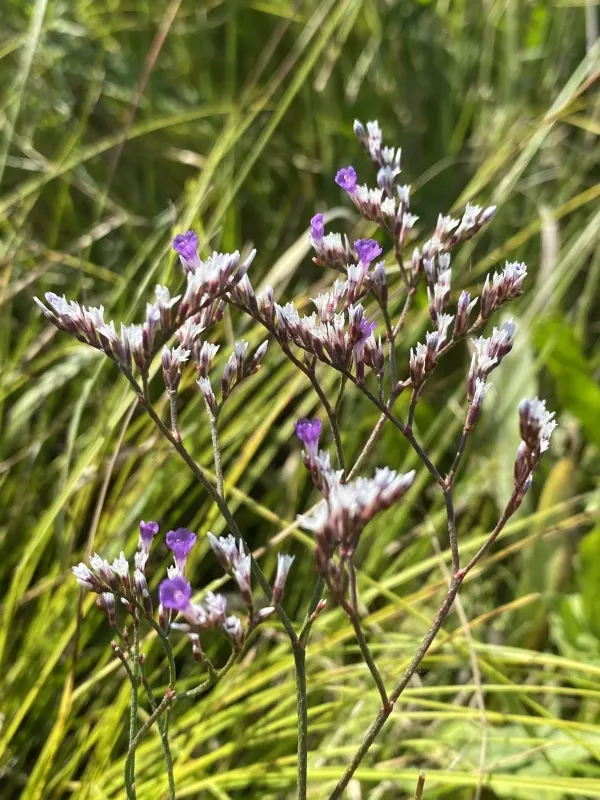
Description
Sowing dates
Sowing of Limonium sareptanum should be carried out in spring when soil temperatures reach 10–12 degrees Celsius. The ideal time for direct outdoor sowing is late April or early May.
For earlier flowering, the seedling method is recommended. Seeds are sown in trays in late March, maintaining a temperature of approximately 20 degrees Celsius for uniform germination.
The sowing depth should not exceed 0.5 to 1 centimeter. Fine seeds require careful handling and a gentle firming of the soil to ensure good seed-to-soil contact for moisture absorption.
A crucial factor during sowing is ensuring proper drainage. Excessive moisture in the early growth stages is detrimental to the root system of this species, which naturally thrives in drier climates.
The sowing pattern should account for the size of mature plants. Rows should be spaced 40–50 centimeters apart, with individual plants placed at least 30 centimeters apart within the rows.
Growing requirements
Limonium sareptanum is a member of the Plumbaginaceae family and is a true xerophyte. It naturally inhabits arid steppes and saline soils, where it has adapted to survive in extreme environmental conditions.
The plant is highly light-loving and cannot tolerate shading. For optimal development, it requires a fully open site that receives maximum sunlight and is protected from harsh, cold winds.
Soil preferences include light, well-drained sandy or loamy textures. The plant is tolerant of high soil salinity, making it a valuable crop for reclaiming difficult or degraded agricultural lands.
It possesses a strong taproot that penetrates deep into the soil profile to access moisture, which makes the plant highly resistant to prolonged drought conditions without supplemental irrigation.
Excessive humidity is the primary enemy of this culture. Cultivating it in heavy, waterlogged soils usually leads to rapid root rot and significant crop failure across the entire field.
Yield
The economic value of Limonium sareptanum lies primarily in the production of high-quality dried flowers. The yield depends on planting density and the quality of care provided during the growing season.
When agricultural best practices are followed, a single hectare can produce a substantial volume of raw material, which is in high demand within the floral industry for creating long-lasting bouquets.
A key biological feature of the plant is its ability to retain the vibrancy of its flower colors for a long period after drying, which ensures a high market value for the final product.
Yield is also measured by the collection of high-quality seed material. Since seeds ripen unevenly, harvesting is performed in multiple stages to minimize losses due to natural shedding.
The quality of the harvest depends on the integrity of the flower spikes. For commercial operations, using specialized drying equipment is essential to ensure the aesthetic appeal and marketability of the stems.
Main diseases and pests
The main threats to Limonium sareptanum are fungal diseases triggered by poor moisture management. Root rot often affects plantings during rainy or cool, humid weather patterns.
Powdery mildew can emerge during periods of high atmospheric humidity. It is managed by applying systemic fungicides at the early stages of spotting on the foliage to prevent widespread infection.
Among pests, aphids and spider mites pose the greatest danger, as they suck juices from young shoots, causing deformation and stunted growth of the entire plant structure.
During extreme drought, the plants may be attacked by cutworms, which damage the root zone and stems, significantly reducing the decorative quality and overall yield of the culture.
To prevent disease outbreaks, it is crucial to follow crop rotation principles and avoid overcrowding the planting area, which ensures adequate air circulation between individual plants.
Harvesting
Harvesting of flower stalks is conducted when the flowers are fully open. This specific stage ensures that the plant has the highest decorative value and maintains its structure after the drying process.
Stems should be cut with sharp shears exclusively in dry, sunny weather. Harvesting during dew or rainfall is strictly prohibited, as excessive moisture leads to decay and fungal growth during drying.
Cut stems are bundled into small bunches. It is important that these bunches are not tied too tightly, allowing for free air movement within the bundle during the dehydration phase.
Drying is carried out in a dark, well-ventilated room. Direct sunlight must be avoided during the drying stage, as it causes the natural pigments to fade and makes the stems brittle and fragile.
Once drying is complete, a final cleaning is performed, removing damaged leaves and sorting the product by length and quality to prepare it for long-term storage or immediate distribution.