
Purple Statice
Limonium purpuratum
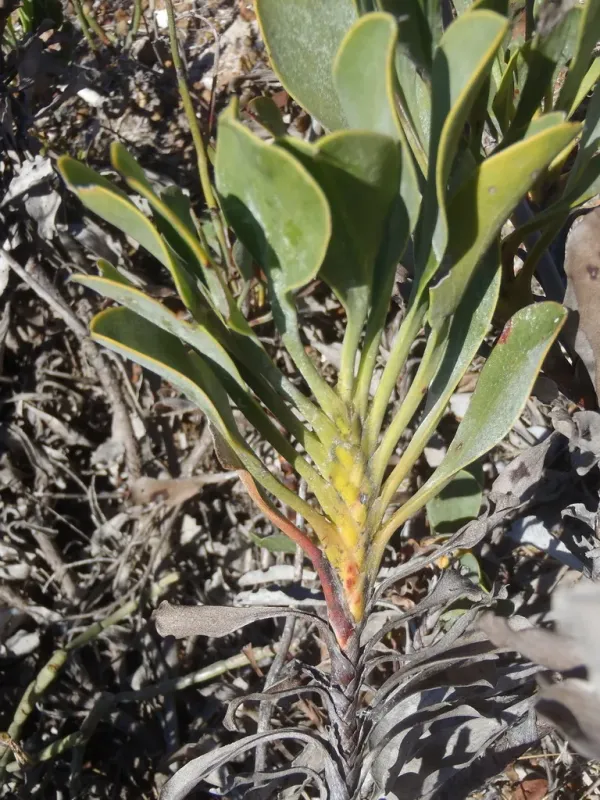
Description
Sowing dates
Sowing seeds of Limonium purpuratum is best done in late winter or early spring using seed trays indoors. The seeds benefit from a cold stratification process or pre-soaking to improve the germination rate and ensure uniform development.
A light, well-draining potting medium is essential for successful seedling growth. Seeds should be surface-sown or covered with a very thin layer of substrate, as they require light to germinate efficiently and grow steadily.
Transplanting seedlings into individual peat pots is highly recommended. The plant develops a deep taproot that is very sensitive to disturbance, so keeping the root ball intact during the move to the garden is crucial for survival.
The seedlings should be moved outdoors once all danger of frost has passed, typically late in the spring. Acclimatizing the plants through a hardening-off period for a week will significantly improve their resilience.
In regions with mild climates, direct sowing can be done in late spring once the soil temperature is warm. However, indoor starting remains the preferred method to ensure a long and productive blooming season.
Growing requirements
Purple Statice belongs to the Plumbaginaceae family and is known for its remarkable drought tolerance. It thrives in full sunlight, which is necessary to maintain the intensity of the purple color in its inflorescences.
Well-drained, sandy, or loamy soil is the ideal medium for this plant. It is highly intolerant of waterlogged soil, which can lead to rapid root rot and overall decline, so planting in raised beds or on slopes is beneficial.
The plant performs well in neutral to slightly alkaline soil conditions. While it is adaptable to poor soils, a moderate application of balanced fertilizer during the early growth stages can support healthy foliage development.
Watering requirements are low once the plant is established. Supplemental irrigation is only necessary during prolonged droughts, and even then, it should be done sparingly at the base of the plant to keep the foliage dry.
Good air circulation is vital for this species. When planting in garden borders, ensure adequate spacing between plants to prevent excessive humidity from accumulating around the foliage and stems.
Yield
The productivity of Limonium purpuratum is determined by the number of flowering stalks produced per plant. With optimal conditions and full sun exposure, a healthy plant can generate dozens of high-quality stems.
Yield is significantly influenced by soil nutrient levels and the amount of sunlight. Excessive nitrogen can cause lush green growth at the expense of floral production, so phosphorus-rich fertilizers are preferred for bloom enhancement.
Consistent weeding is critical for high yields, especially during the first growing season. Without competition from weeds, the plant can direct all its energy into developing strong, thick flowering stems.
Harvesting for commercial or decorative use is most efficient when the inflorescences are fully developed. Regular picking can sometimes encourage the plant to produce a second, albeit smaller, flush of blooms later in the season.
A healthy, well-maintained stand of Purple Statice can remain productive for several years. Monitoring the quality of stems annually helps determine when it is necessary to rotate crops or replant the area.
Main diseases and pests
Root rot is the most significant threat to the health of Limonium purpuratum, usually caused by over-irrigation or poorly drained soil. Early detection of wilted leaves can sometimes allow for immediate intervention.
Powdery mildew is a common fungal issue that arises in crowded or humid planting conditions. Ensuring that the foliage has plenty of airflow around it is the best preventative measure against this pathogen.
Pests like aphids and leaf-eating caterpillars can occasionally cause damage to the flower buds. Regular inspection and the use of insecticidal soaps or biological controls can effectively mitigate these threats without chemical harm.
Nematodes are another concern in specific soil types. Crop rotation is an essential strategy for preventing the buildup of soil-borne pests and diseases, ensuring the longevity of the plant population.
Any foliage showing signs of viral infection or deformity should be removed immediately. Swift action prevents the spread of such diseases to neighboring plants, maintaining the integrity of the entire planting area.
Harvesting
Harvesting should occur when the flowers on the spikes are fully open but before they begin to fade. Harvesting at the peak of bloom ensures that the color remains vibrant during the drying process.
Stems must be cut during the heat of the day when they are completely dry from morning dew. This moisture management is essential to prevent mold growth during the drying phase in the storage area.
Bundling the stems and hanging them upside down in a dark, dry, and well-ventilated room is the standard method for drying. Darkness is critical to prevent the purple pigments from fading due to ultraviolet light.
The drying process usually takes a few weeks, depending on humidity levels. Once fully dried, the flowers should be sturdy and hold their color for an extended period, making them ideal for long-lasting arrangements.
Stored dried flowers should be kept away from direct heat sources and high humidity to maintain their structural integrity. When treated with care, these dried specimens provide natural beauty for interior decor for years.