
Limonium pseudominutum
Limonium pseudominutum
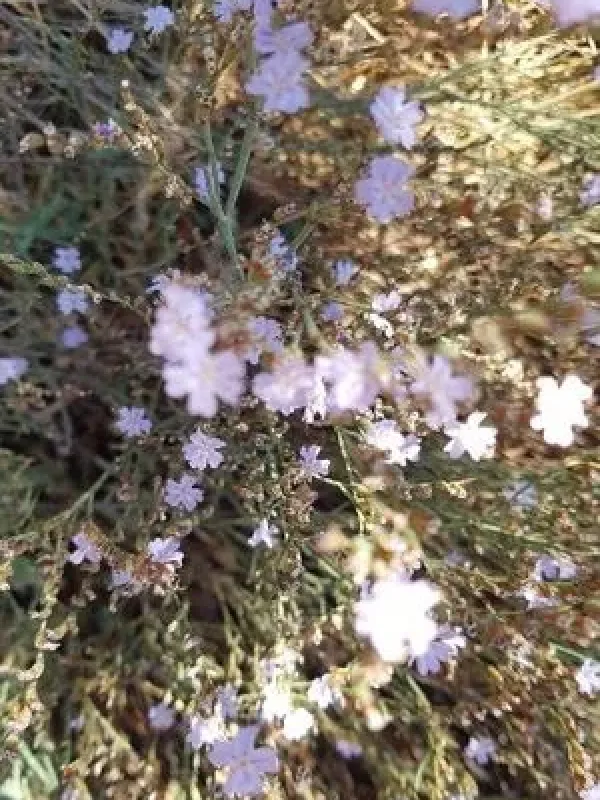
Description
Sowing dates
The sowing of Limonium pseudominutum seeds is typically performed in protected environments during late winter or early spring. Using a high-quality, sterile growing medium is essential for successful germination.
Seeds should be covered very lightly with fine vermiculite or sand, as they require a certain amount of light and consistent moisture to sprout effectively. Providing bottom heat can accelerate the process.
Transplanting seedlings to the field occurs once the danger of frost has passed. Hardening off the plants is a crucial step to ensure they adapt to external environmental fluctuations before permanent planting.
A spacing of 30 to 40 centimeters is recommended for planting in rows. This spacing allows for proper air circulation, which is vital for preventing humidity-related diseases in the foliage.
Direct seeding in the field is possible in warmer regions, but it requires careful weed control during the early growth stages, as the plant is not a strong competitor when young.
Growing requirements
Limonium pseudominutum, part of the Plumbaginaceae family, is a perennial plant known for its adaptability to harsh conditions. It is specifically favored for its extreme drought and salt tolerance.
The plant thrives in well-drained, sandy, or rocky soil types with a neutral to alkaline pH. Excessive soil moisture or heavy, water-retaining clay soils are detrimental to the root system.
Full sun is mandatory for this species. Exposure to intense sunlight ensures a compact growth habit and more vibrant coloration of the flower calyces, which is the desired aesthetic trait.
Minimal fertilization is required; in fact, over-fertilizing with nitrogen can lead to excessive leafy growth and fewer flowers. A balanced, low-concentration fertilizer may be applied during the active growth phase.
This culture is highly effective in xeriscaping or areas with poor water access, making it a sustainable choice for decorative landscaping in arid or coastal climates.
Main diseases and pests
Powdery mildew is a common fungal threat for this species. It appears as a white, dusty layer on the leaves and is best controlled by optimizing air circulation and reducing relative humidity.
Root rot, often caused by over-irrigation or poorly drained soil, is the most significant threat to the plant's health. Preventive measures include strictly monitoring watering schedules.
Aphids can occasionally infest the flower spikes and young buds. If an infestation occurs, treating the plants with systemic or contact insecticides is effective for mitigation.
Larvae of certain lepidoptera species may feed on the buds, impacting the floral quality. Regular visual inspection of the crops is necessary to identify and treat early stages of pest activity.
Maintaining a weed-free area around the base of the plant is vital. Weeds can harbor pests and create a microclimate that fosters disease development, compromising the overall crop health.
Harvesting
For commercial use as dried flowers, harvesting should take place when the florets are fully open but before they begin to fade. This timing ensures the best color retention after drying.
Stems should be harvested during dry, sunny weather to avoid residual moisture. Hanging bunches upside down in a dark, cool, and well-ventilated room is the standard practice for high-quality drying.
When used in landscape gardening, harvesting faded flower stalks at the base of the plant can encourage a secondary flush of blooms, prolonging the visual appeal of the garden.
The durability of the dried flower stalks allows them to be used in various floral arrangements, wreaths, and industrial crafts, retaining their structure and shape for long periods.
Clean harvesting techniques using sharp, disinfected tools prevent the transmission of pathogens between plants and ensure the health of the perennial stock for the following season.