
Limonium pruinosum
Limonium pruinosum
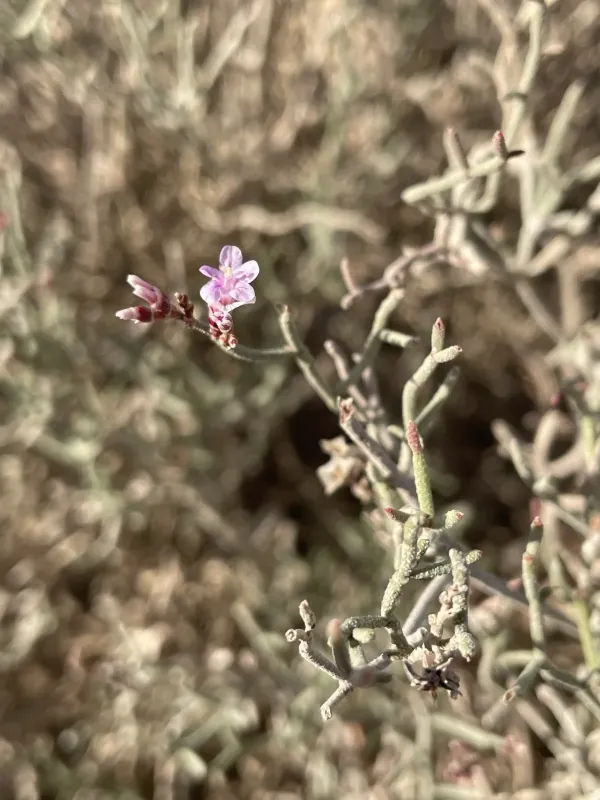
Description
Sowing dates
Seeds of Limonium pruinosum should be sown in a protected environment for seedlings in late February or early March to ensure earlier flowering. In regions with a mild climate, direct sowing in open ground is possible after the threat of night frosts has passed, although the seedling method is more reliable.
For seed germination, a stable temperature in the range of 18-22 degrees Celsius is required. It is essential to use a light, well-drained substrate, as the plant is extremely sensitive to excessive water stagnation, which can cause root system rot in the early stages of development.
When sowing, seeds should be lightly covered with vermiculite or sand, as they require access to diffused light for successful germination. Watering should be done from the bottom to avoid washing away the seeds and to prevent damaging the delicate sprouts due to excessive surface soil moisture.
Pricking out of seedlings should be carried out into individual peat or plastic pots when two true leaves appear. This crop has a taproot system, so it is crucial to handle the transplanting with extreme care, trying to maintain the integrity of the soil ball to ensure better survival rates.
Transplanting hardened seedlings to a permanent location is carried out at the 4-5 true leaf stage. The spacing between plants should be at least 30-40 centimeters to ensure full ventilation of the bushes and to prevent the spread of fungal diseases during the summer period.
Growing requirements
Limonium pruinosum belongs to the Plumbaginaceae family and is a typical halophyte, adapted to growing in saline soils. In cultivation, the plant requires maximum light exposure, as any shading leads to elongated stems and a significant decrease in flowering intensity.
Strict requirements are imposed on soil conditions: the ground must be loose, sandy, or loamy with excellent drainage. The crop reacts extremely negatively to water stagnation and heavy clay soils, where the root system quickly rots even with moderate watering.
The plant possesses exceptional drought tolerance, making it an ideal choice for regions with a hot and dry climate. In conditions of regular natural moisture, Limonium often loses its decorative appeal, so supplemental watering is carried out only during periods of extreme drought.
To ensure active growth at the beginning of the vegetation period, the application of complex mineral fertilizers with low nitrogen content is allowed. Excessive nutrition often leads to overgrowth of the leaf rosette at the expense of the number of inflorescences, reducing the overall aesthetic value of the plant.
Limonium pruinosum is a heat-loving crop requiring high cumulative active temperatures for seed formation. In moderate climates, choosing sites with a southern exposure, protected from cold winds, is recommended, which allows for extending the growing season until late autumn.
Yield
The economic productivity of Limonium pruinosum is assessed by the quantity and quality of flower stalks suitable for floristic use. When following agronomic standards, one can obtain up to 15-20 high-quality ornamental inflorescences per square meter.
The productivity of the bush directly depends on light exposure and soil structure. On optimal plots, Limonium forms compact, dense inflorescences with a characteristic "frosted" coating on the calyces, which is highly valued in professional floristry when creating dried flower arrangements.
On an industrial scale, the cultivation of this crop is oriented toward cutting for subsequent drying. The plant has a high ability to retain its natural shape and color saturation of the inflorescences for a long period after drying, making it a valuable raw material for interior decor.
Product harvesting is carried out during the mass flowering phase, when the majority of small flowers in the inflorescence have fully opened. Timely cutting stimulates repeat flowering, allowing for an increase in total marketable yield within a single growing season under favorable conditions.
Total yield also depends on the proper drying of the harvested material. Inflorescences should be hung heads down in a well-ventilated area protected from direct sunlight, which allows for the preservation of the product's market appearance for several years.
Main diseases and pests
The main threats to Limonium pruinosum are fungal infections caused by violations of agronomic practices, primarily soil waterlogging. Powdery mildew and various types of root rot can quickly destroy plantings under conditions of poor ventilation and high air humidity.
Pests such as aphids and spider mites can attack young leaf rosettes during periods of intense heat. Preventive inspections and the timely use of biological insecticides are recommended, as chemical agents may damage the plant's sensitive tissues.
Gray mold often appears on inflorescences in the second half of summer during prolonged rainfall. Affected areas must be removed immediately, and plantings should be treated with copper-based preparations to prevent further spread of the pathogen throughout the plot.
Weed vegetation poses a serious threat during the initial growth stages of Limonium. Due to its slow development in the first month of seedling life, the area must be thoroughly cleared of perennial rhizomatous weeds that can suppress the young crop.
Damage to the root system during careless weeding or transplanting creates entry points for soil pathogens. Field work should be conducted as carefully as possible, and soil loosening should be kept to a minimum depth to avoid injuring the taproot.
Harvesting
Harvesting of Limonium pruinosum is carried out in dry, sunny weather when air humidity is at its minimum. This ensures rapid drying of the plants and prevents mold development on the calyces, which are extremely sensitive to excess moisture in the post-harvest period.
Stems should be cut at a level of 5-10 centimeters from the ground using a sharp pruner. It is important to ensure that no soil gets into the cut part, as contaminants on the "frosted" structures of the inflorescence are almost impossible to remove without losing aesthetic quality.
Immediately after cutting, the plants are gathered into small bunches to facilitate transportation and drying. It is not recommended to tie bunches too tightly, as condensation can form inside, leading to spoilage of the lower stems and flower rot.
Drying is performed in a dark room with active air movement. Direct sunlight is strictly prohibited, as it causes rapid fading of the natural pigments of the inflorescences, significantly lowering the market value of the dried flowers.
Properly dried Limonium retains its durability and crispness for several seasons. Storage of the finished product should occur in dry conditions at a temperature not exceeding 25 degrees, away from heat and moisture sources.