
Wide-leaved sea lavender
Limonium platyphyllum
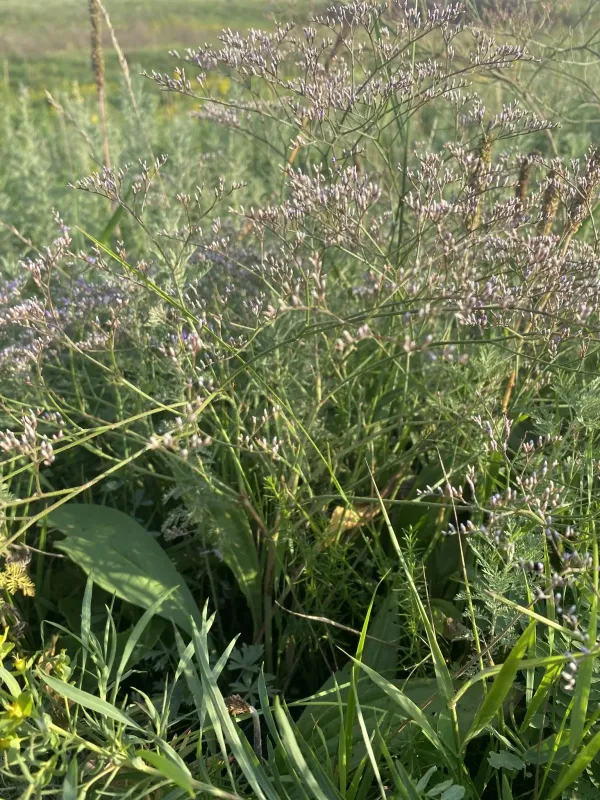
Description
Sowing dates
Seeds of Limonium platyphyllum are typically sown indoors in late winter or early spring to ensure a long growing season. Stratification of seeds is recommended to break dormancy and improve the overall germination rate.
Seedlings should be transplanted outdoors only after the risk of frost has passed, usually in late May. As a light-loving species, it requires a position in full sun to develop strong stems and vibrant colors.
Direct sowing in the garden is possible in warmer regions during April when the soil temperature consistently reaches at least 10–12 degrees Celsius. Proper spacing of 30–40 cm is necessary to facilitate airflow between plants.
The seeds should be covered with only a very thin layer of substrate as they require adequate light to germinate. Watering during the germination phase must be strictly controlled to prevent damping-off diseases.
Early growth is notoriously slow, requiring consistent weeding to prevent competitive pressure from faster-growing annual weeds during the establishment period.
Growing requirements
Belonging to the Plumbaginaceae family, this plant is naturally adapted to steppe and semi-arid environments. It possesses a deep taproot, which makes it exceptionally drought-tolerant once established in the ground.
The preferred soil type is light, sandy, or well-drained loam. Waterlogged soils are detrimental to the plant, so providing a rocky or gravelly drainage layer is essential for success in heavy soil conditions.
The ideal soil pH is neutral or slightly alkaline. High levels of calcium in the soil support the development of structural integrity in the flower stalks and enhance the deep pigmentation of the bracts.
As a plant of continental climates, it is adapted to high temperature fluctuations. It requires minimal supplemental watering, as excess water can cause the crown of the plant to rot quickly.
The plant demonstrates excellent winter hardiness. In most climates, it survives the winter season effortlessly, provided that the soil does not remain saturated during the cold months.
Main diseases and pests
The most significant threat to this culture is excessive soil moisture. Root and crown rot are common if the drainage is poor or if the plant is situated in a low-lying, damp area.
Aphids can occasionally infest the flower spikes during the peak of summer. Management involves monitoring and applying mild insecticidal sprays if the population threshold is exceeded.
Powdery mildew may occur if plants are spaced too closely together or if air circulation is restricted. Preventive spacing and avoiding overhead irrigation are the most effective management strategies.
The plant is generally robust, but it can be susceptible to soil-borne pathogens if grown in overly rich, wet, or compost-heavy soils that do not match its natural steppe conditions.
Regular maintenance, including the removal of dead foliage after the first frost, helps maintain plant hygiene and prevents the spread of pathogens during the dormant season.
Harvesting
Harvesting for commercial or decorative use is performed when the flower spikes are fully open and colors are at their peak. This stage ensures the best retention of color and shape after the drying process.
Stems are bundled and hung upside down in a cool, dark, and well-ventilated location. Drying away from direct sunlight is crucial to prevent the fading of the delicate bracts.
In landscaping, this species is highly valued for its airy, cloud-like habit. It is an excellent choice for rock gardens and borders, where it provides long-lasting structure and aesthetic appeal.
Seed collection should be done when the flower heads have fully dried on the stem. Careful monitoring is required as the seeds disperse naturally when the stalks are shaken by wind or rain.
Limonium platyphyllum is considered a premium crop for the dried flower market. Properly dried specimens retain their structural integrity and color for several years under indoor conditions.