
Limonium papillatum
Limonium papillatum
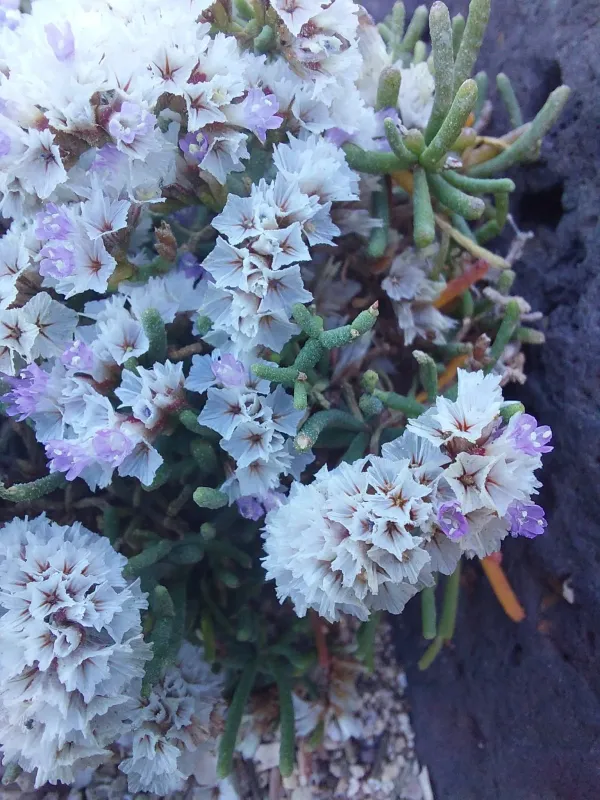
Description
Sowing dates
Limonium papillatum is a perennial herb belonging to the Plumbaginaceae family. In agricultural practice, seeds are sown in early spring, when soil temperatures reach 15-18 degrees Celsius, ensuring optimal germination conditions.
Seeds require proper stratification before sowing to break dormancy. For professional cultivation, plug trays are used with a light, well-draining substrate to ensure healthy root development before transplanting.
The sowing depth must be shallow, approximately 0.5 to 1 cm, as the seeds require sufficient light to trigger the germination process. Light must be kept constant to prevent etiolation of the seedlings.
After emergence, temperature regulation is crucial. The seedlings thrive in moderate conditions, requiring good air movement to avoid damping-off diseases, which can quickly wipe out young crops.
Transplanting into the field takes place once the danger of frost has passed. Plants are usually spaced out to ensure proper development and to facilitate mechanized or manual harvesting later in the season.
Growing requirements
As a notable halophyte, Limonium papillatum is exceptionally well-adapted to saline soils, making it an excellent candidate for land reclamation and cultivation in areas where other crops fail to thrive.
The crop demands excellent drainage. Sandy or sandy-loam soils are ideal, as they prevent water stagnation. Heavy clay soils must be amended with organic matter or sand to improve the root zone environment.
Climate requirements include high sun exposure and a dry environment. The species is highly drought-tolerant, requiring minimal irrigation once the plants have established their deep taproot systems.
Fertilization should be kept to a minimum. Over-application of nitrogenous fertilizers can result in excessive leaf growth, negatively impacting the production of flower spikes and the overall plant longevity.
Air circulation is paramount. In greenhouse conditions, horizontal airflow fans are recommended to maintain low humidity levels, which effectively minimizes the risk of bacterial and fungal outbreaks.
Main diseases and pests
Fungal infections, particularly root rot, represent the most significant threat to Limonium papillatum crops. These issues are almost exclusively associated with improper irrigation practices or waterlogged soil.
Pests such as aphids and spider mites can colonize the plants during hot, dry summer months. Their feeding activity can reduce plant vigor and lower the quality of the marketable product.
Integrated Pest Management (IPM) strategies are highly recommended. These include monitoring programs, the introduction of beneficial insects, and targeted applications of bio-insecticides only when threshold levels are met.
Weed control is essential for young plantations. Competition for nutrients and space can severely stunt growth, so mechanical weeding or the use of mulch is suggested for the first few months of development.
Powdery mildew may occur during periods of high humidity and poor ventilation. Prompt removal of infected plant debris and the application of fungicides are standard interventions to protect the crop.
Harvesting
Harvesting for the dried flower industry occurs at peak bloom, when flower spikes are fully open and colors are vibrant. The stalks are cut during dry, sunny weather to maximize shelf life.
Post-harvest processing involves air-drying the bundles in dark, ventilated rooms. Avoiding direct sunlight during this stage is essential to prevent color fading of the delicate calyces.
For medicinal purposes, the roots are harvested in autumn, carefully cleaned, and dried using industrial dehydrators at low temperatures to maintain the integrity of their bioactive compounds.
Commercial applications are diverse, ranging from high-end floral design and wreath making to the production of essential raw materials for the pharmaceutical industry, given their tannin content.
Quality control during harvest is critical. Only stalks with strong, healthy stems and fully developed inflorescences should be selected to meet market standards for floral supply chains.