
Oval-leaved sea lavender
Limonium ovalifolium
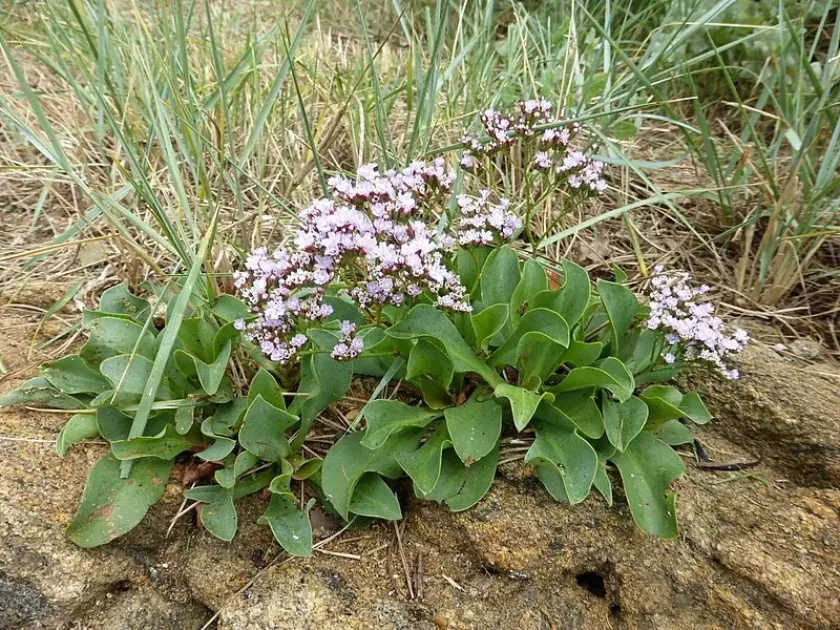
Description
Sowing dates
Limonium ovalifolium, commonly known as the oval-leaved sea lavender, is a herbaceous perennial belonging to the Plumbaginaceae family. This species is native to coastal regions, which has significantly shaped its physiological adaptations to specific environments.
Propagation is typically achieved through seed sowing, which requires a stratification period to ensure uniform germination rates. Seeds should be sown in a well-draining, sandy substrate that mimics the plant's natural habitat.
During the seedling stage, it is crucial to provide a stable, moderate temperature to facilitate the development of a strong taproot. Avoid over-disturbing the root system, as this plant species is known to be sensitive to transplantation shock.
The optimal sowing time in temperate climates is late winter or early spring in greenhouse conditions. This timing ensures that the plants are sufficiently established by the time they are transplanted into the open field.
As an agricultural crop, its primary value lies in its halophytic nature. It serves as a resilient option for land reclamation and the cultivation of areas with high soil salinity where traditional crops fail to thrive.
Growing requirements
This plant thrives in full sun exposure. It is a strictly heliophilic species, meaning it requires abundant sunlight for photosynthesis and the successful production of its signature decorative flower spikes.
Regarding soil requirements, it demands excellent drainage. While it is highly tolerant of saline soils, it is extremely sensitive to waterlogged conditions, which will inevitably lead to root system failure and plant death.
Irrigation management should be conservative. Once established, the plant exhibits remarkable drought tolerance, making it a low-maintenance choice for dry or challenging landscapes.
Soil pH should ideally be neutral to slightly alkaline. While the plant can survive in nutrient-poor soils, a balanced application of mineral fertilizers can enhance the vigor and aesthetic appeal of the foliage and flowers.
The plant is highly valued for its multi-purpose utility, ranging from use in floral arrangements as a dried flower to potential applications in pharmaceutical industries due to the tannin content in its roots.
Main diseases and pests
The most significant threat to Limonium ovalifolium is fungal infection caused by poor soil drainage or high humidity. Root rot and damping-off are common diseases when moisture levels are not carefully monitored.
Powdery mildew can occur during periods of high humidity and poor air circulation. Providing adequate space between plants is the most effective cultural method to mitigate this risk and ensure a healthy crop.
Pests such as slugs and snails pose a threat, particularly to young, tender foliage during the early stages of growth. Monitoring and physical barriers are often sufficient to manage these populations effectively.
In addition to surface pests, soil-dwelling insects can damage the taproot. Integrated pest management strategies, focusing on site preparation and crop rotation, are essential to maintain the long-term productivity of the plantation.
Overall, maintaining plant health requires a focus on preventive measures. By ensuring proper site selection, drainage, and ventilation, growers can successfully avoid most of the common threats associated with this species.