
Otolepis statice
Limonium otolepis
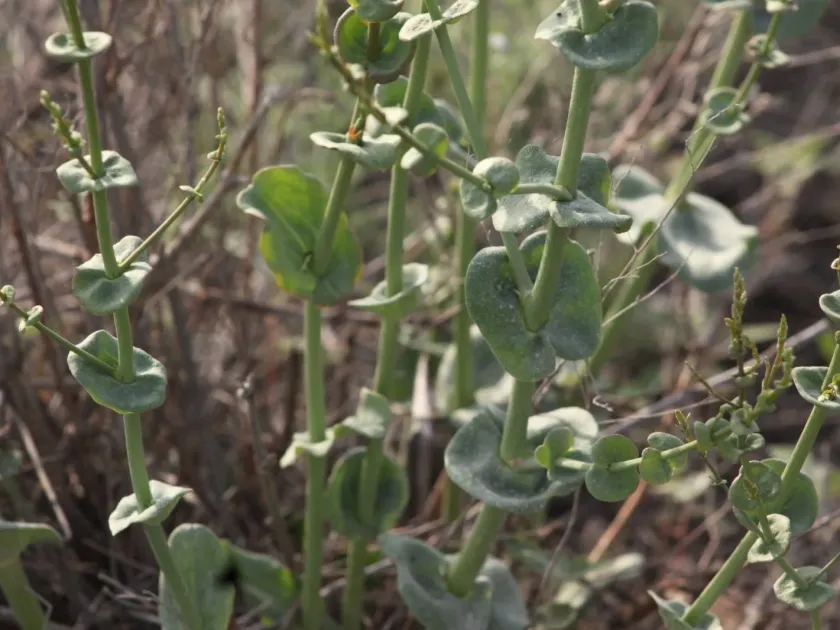
Description
Sowing dates
Seeds of Otolepis statice are typically sown in spring once the soil temperature reaches 15–18 degrees Celsius. To obtain early crops, greenhouse sowing in March is practiced, allowing plants to flower by mid-summer.
When sowing in open ground, it is crucial to maintain a planting depth of no more than 0.5–1 cm. Fine seeds are sensitive to moisture in the top layer of the soil, so covering the beds with plastic or horticultural fleece is recommended until mass germination occurs.
The seedling method is the most efficient for commercial cultivation, ensuring higher survival rates and uniform development. Transplanting seedlings is performed at the 2–3 true leaf stage, which encourages the formation of a robust root system.
Planting density depends on the purpose of cultivation; however, an interval of 30–40 cm between plants is considered optimal. Sufficient spacing is necessary for proper air circulation to prevent moisture accumulation around the crown of the plant.
Otolepis statice belongs to the Plumbaginaceae family and is a perennial herbaceous plant with a deep taproot. It is highly valued for its paniculate inflorescences, which maintain their decorative quality long after being dried.
Growing requirements
This crop is highly light-loving and requires placement in open, warm areas with protection from strong winds. Lack of shade is a key factor for obtaining high-quality flower stalks and intense petal coloration.
Otolepis statice has moderate soil requirements, preferring light, well-drained sandy or sandy-loam soils. A vital condition for success is the absence of a high water table, as excess moisture quickly leads to root rot.
The plant is highly drought-tolerant, yet during active vegetative growth and the beginning of budding, regular but moderate irrigation contributes to a significant increase in biomass. Under prolonged drought, growth slows down, affecting the length of the flower stalks.
The plant grows successfully in neutral or slightly alkaline soils. If soil acidity is high, liming is recommended, which positively affects root development and nutrient uptake.
In its natural habitat, the range covers the arid regions of Central and Middle Asia, which dictates the high adaptability of the species to daily temperature fluctuations and low atmospheric humidity.
Yield
The yield of Otolepis statice is assessed by the number of marketable stems per area. In commercial operations, with proper technology, one can obtain up to 50,000–70,000 flower stalks per hectare during the second year of vegetation.
To increase the output of marketable products, regular fertilization with complex mineral fertilizers, focusing on potassium and phosphorus, is necessary. Nitrogen fertilizers are used sparingly, as excessive levels stimulate green growth at the expense of flowering.
The operational lifespan of a single field is between 3 and 5 years. After this period, plants begin to age, and productivity declines, making it necessary to rotate crops on the plot.
Productivity depends heavily on the quality of care in the first year of life when the main generative organs are formed. Dense plantings must be thinned to ensure light access for each individual plant.
Today, the main application of Otolepis statice is in floristry, where it is prized as one of the best dried flowers, retaining its shape and color intensity in intricate floral arrangements.
Main diseases and pests
The main threat to statice plantings is fungal diseases caused by excessive moisture and poor air circulation. These include powdery mildew, downy mildew, and various root rots, which can destroy a plantation in a short time.
Disease prevention consists of strictly following irrigation schedules and preventing water from landing on foliage during the evening. The use of preventive fungicides allows for a reduction in the risk of pathogen spread.
Among pests, aphids and spider mites are the most common, sucking sap from young leaves and flower stalks, which weakens the plant. Regular inspection of fields allows for the identification of infestations at an early stage.
An important agrotechnical pest control method is the removal of weeds around the perimeter of the field. Many weeds serve as reservoirs for insect breeding, which then migrate to the cultivated crop.
Adherence to crop rotation is a mandatory requirement for protecting against soil-borne pathogens that accumulate when the crop is grown continuously in the same place for many years.
Harvesting
Harvesting of Otolepis statice is performed at the stage of full inflorescence opening. At this moment, the plant contains the maximum amount of pigments, which do not lose saturation after the shoots are dried.
Cutting flower stalks is recommended in the morning hours after dew has evaporated. Stems should be cut near the base of the plant to provide maximum length for floristic requirements.
After harvesting, plants are tied into small bunches and hung upside down in a dark, well-ventilated area. Drying in the shade is necessary to preserve the natural hue of the petals and prevent fading from direct sunlight.
The complete drying process takes from one to two weeks, depending on the humidity levels of the room. Properly dried material becomes rigid and retains its structure for many months.
After drying, bunches are checked for damage and sorted by stem length and inflorescence quality. Finished products are packed in cardboard boxes for transport to wholesale buyers or flower markets.