
Limonium ocymifolium
Limonium ocymifolium
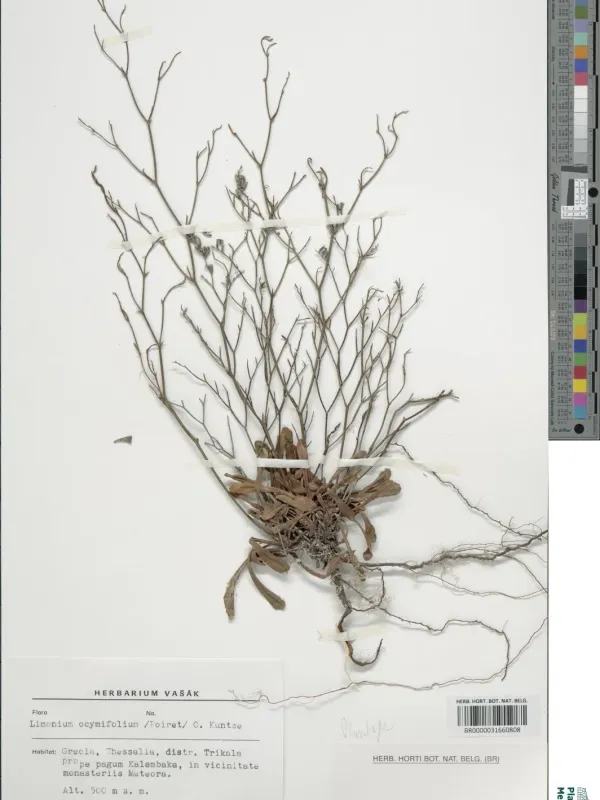
Description
Sowing dates
Seeds of Limonium ocymifolium are typically sown in early spring. Starting seeds in trays inside a greenhouse or indoors ensures higher germination rates and stronger initial growth before transplanting.
The optimal soil temperature for germination is between 18 and 22 degrees Celsius. Seeds should be covered with a very thin layer of substrate, as light can be beneficial for the successful emergence of seedlings.
Once the risk of frost has passed, young plants are hardened off and moved to the field. Proper spacing of approximately 30 to 40 centimeters is essential for adequate plant development and air movement.
Direct seeding in the field is possible in warmer regions, provided the soil is well-prepared and weed-free. Careful attention must be paid to moisture levels, as seeds can be easily washed away or desiccated.
The initial establishment phase is critical. Providing moderate water ensures the roots become well-anchored, after which the plant becomes highly drought-tolerant and requires significantly less maintenance.
Growing requirements
Limonium ocymifolium belongs to the Plumbaginaceae family. It is a highly resilient plant adapted to semi-arid conditions, making it an excellent candidate for regions with scarce water resources.
Sunlight is the primary requirement for this species. It demands full sun exposure throughout the day to achieve optimal flower production and to maintain the intensity of its color.
Soil quality should lean towards sandy or loamy textures with excellent drainage. The plant thrives in poor to average soils and is even capable of tolerating slightly saline conditions, which is a rare trait.
Neutral to slightly alkaline pH levels are preferred. Soils that are heavy, clay-based, or prone to waterlogging must be avoided, as these conditions are lethal to the root system of this species.
Maintenance is minimal once the plant is established. It requires very little fertilization, though an application of balanced fertilizer during the early growth stage can promote healthier foliage.
Main diseases and pests
The most significant threat to Limonium ocymifolium is excessive moisture, which leads to crown and root rot. Ensuring the soil is well-drained and the area is well-ventilated is the best preventive measure.
Powdery mildew can become an issue if humidity remains high around the plants. Proper spacing and careful watering at the base of the plant help mitigate the risk of fungal infections significantly.
Aphids occasionally target the tender inflorescences during the budding stage. Monitoring the plants during the early season is crucial to prevent infestations that could distort the final floral output.
Caterpillars and other leaf-chewing insects might cause damage to the foliage. Biological control agents or targeted, low-impact insecticides should be used if populations exceed the economic threshold.
Good agricultural hygiene, such as removing debris and avoiding overhead irrigation, plays a vital role in keeping the crops healthy and productive throughout the growing season.
Harvesting
Harvesting for the dried flower market should be timed perfectly. The best time to cut is when the florets are fully open but before they begin to fade or drop, ensuring the best visual quality.
Cutting should take place during dry, sunny weather. Harvesting after dew has evaporated is essential to prevent moisture-related rot during the drying process, which would ruin the marketability of the product.
The drying process must be carried out in a dark, cool, and airy environment. Hanging the bunches upside down preserves the structure of the stems and prevents them from bending as they dehydrate.
Limonium ocymifolium is highly valued in the floral industry for its longevity. Once properly dried, the flowers retain their color and texture for months, serving as a staple in various decorative arrangements.
After the harvest, the remaining basal foliage can be lightly trimmed. This helps the plant redirect energy toward root health and prepares it for the next growth cycle or successful overwintering.