
Limonium obtusifolium
Limonium obtusifolium
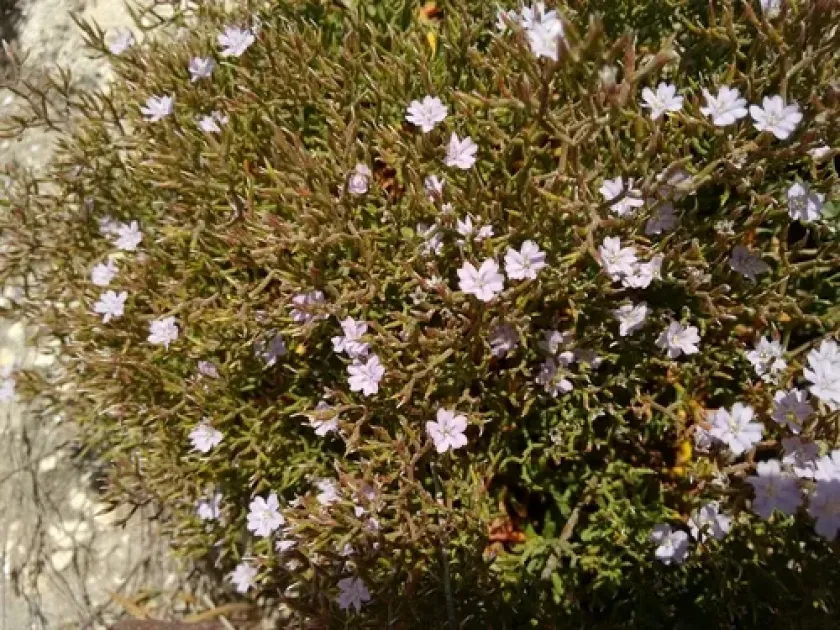
Description
Sowing dates
Limonium obtusifolium is typically propagated via seeds, which are sown in early spring. To ensure successful germination, the seeds require warmth and a well-draining substrate, mimicking their natural arid environment.
For indoor propagation, sowing begins in late winter. Seeds should be lightly covered with a fine layer of vermiculite or soil, as they benefit from some exposure to light during the sprouting phase.
Seedlings develop a substantial taproot early on, making them sensitive to frequent transplanting. It is advisable to use individual deep cells or biodegradable pots to allow the roots to grow undisturbed until final planting.
Once the risk of frost has passed, usually by late May, the young plants can be hardened off and moved to the garden. Acclimatization over a period of one week helps prevent transplant shock.
When sowing directly into the field, ensure the soil surface is finely textured. Maintain consistent moisture for the first few weeks, but gradually reduce watering as the plants become established.
Growing requirements
Belonging to the Plumbaginaceae family, Limonium obtusifolium is a salt-tolerant and drought-resistant plant. It thrives in locations that receive full, direct sunlight throughout the day.
The soil must be exceptionally well-draining. Sandy or gravelly soils are ideal for this species, as they prevent water stagnation, which is the primary cause of root failure in this culture.
The plant performs well in neutral to slightly alkaline soils. It does not require high levels of fertility, and excessive fertilization may lead to weak stems and a reduction in flower density.
Climate-wise, it favors regions with hot, dry summers. High humidity and prolonged rain can increase the risk of fungal pathogens, so site selection should prioritize air circulation.
Maintenance requirements are minimal once the plant is established. It is highly adapted to poor soil conditions, often thriving in areas where other ornamental plants might struggle to survive.
Main diseases and pests
Root rot is the most significant threat to Limonium obtusifolium. It occurs almost exclusively in soil that lacks proper drainage or during periods of excessive rainfall combined with poor ventilation.
Aphids can occasionally colonize the soft, developing buds. Early intervention with organic insecticidal soaps is usually sufficient to manage these infestations without harming the plant.
Powdery mildew may develop if there is insufficient airflow around the base of the plant. Ensuring adequate spacing between individuals is the most effective cultural control method.
While generally resistant to pests, slugs and snails may occasionally feed on young, tender leaves in damp spring conditions. Protecting young transplants with barriers can mitigate this risk.
Maintaining high hygiene standards in the garden, such as removing debris and preventing waterlogging, will keep the culture healthy and minimize the need for chemical disease control.
Harvesting
Limonium obtusifolium is highly valued in the cut flower industry as a premium everlasting flower. Its stiff, persistent calyces retain their color and shape long after being harvested.
Harvesting is best conducted just as the flowers reach peak maturity. Cutting the stems early in the day, after the morning dew has dried, ensures the highest quality of the dried product.
To dry the stems, hang them upside down in a dark, dry, and well-ventilated location. Avoiding direct light during the drying process prevents the fading of natural pigments.
In landscaping, this plant is used for rock gardens and Mediterranean-style borders. Its architectural form adds visual interest even when not in full bloom, making it a versatile choice for designers.
Seed collection should be done in late summer when the flower heads turn papery and brown. Store seeds in a cool, dry place to maintain viability for future cultivation cycles.